Unenriched
What is Unenriched?
Unenriched flour is made from wheat that has not had any nutrients added back after processing. During the milling of wheat into flour, the bran and germ are removed, along with many natural vitamins and minerals. Unenriched flour is essentially the refined endosperm of the wheat kernel.
Is Unenriched vegan?
Unenriched is not animal-derived. Products that contain it can still include other animal-derived ingredients, so check the full ingredient list.
Is Unenriched gluten-free?
It also contains gluten.
Is Unenriched a major allergen?
Unenriched flour is derived from wheat, which is one of the FDA's major allergens.
What is Unenriched used for?
Manufacturers use unenriched flour as a base ingredient in many baked goods and pasta products.
Is Unenriched safe?
In the US, unenriched flour is a common ingredient and is generally recognized as safe (GRAS) by the FDA when used as intended.
Why it's used
Manufacturers use unenriched flour as a base ingredient in many baked goods and pasta products. Its fine texture and gluten content provide structure and chewiness to items like cakes, cookies, and pasta.
Health notes
In the US, unenriched flour is a common ingredient and is generally recognized as safe (GRAS) by the FDA when used as intended. It provides carbohydrates for energy. However, compared to enriched flour, it contains lower levels of certain B vitamins (like thiamin, riboflavin, niacin, and folic acid) and iron, which are often added back to enriched versions.
Allergen info
Unenriched flour is derived from wheat, which is one of the FDA's major allergens. It also contains gluten.
Foods that contain Unenriched
Compare products →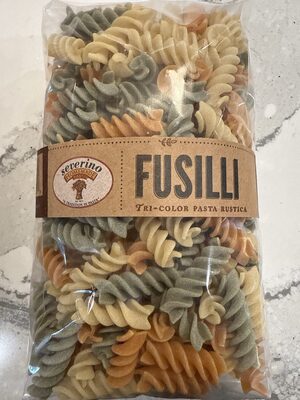
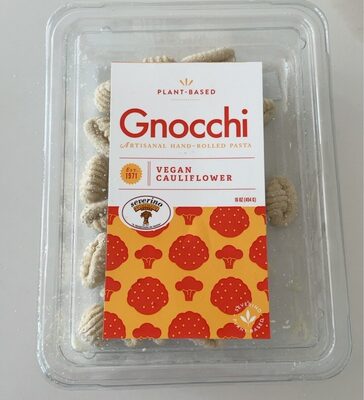
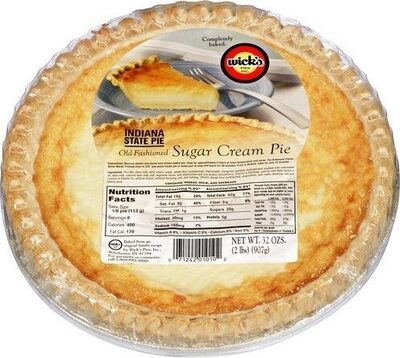
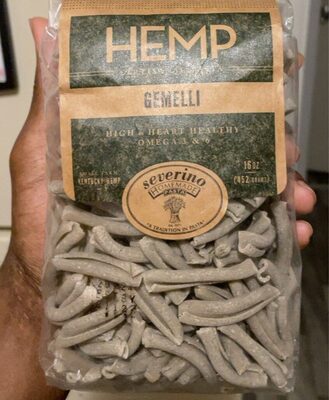
Learn more
Auto-generated content. This description was generated automatically and is pending editorial review. Inaccuracies are possible. Found a mistake? Contact us.