Wheat And Milk
What is Wheat And Milk?
Wheat is a cereal grain that is a staple food worldwide. It is a member of the grass family and is cultivated for its seed, a cereal grain called a caryopsis. Wheat is milled into flour, which is used to make bread, pasta, and many other food products.
Is Wheat And Milk vegan?
Wheat And Milk is not animal-derived. Products that contain it can still include other animal-derived ingredients, so check the full ingredient list.
Is Wheat And Milk gluten-free?
It contains gluten, a protein that can cause adverse reactions in individuals with celiac disease or gluten sensitivity.
Is Wheat And Milk a major allergen?
Wheat is one of the 9 major food allergens identified by the FDA.
What is Wheat And Milk used for?
Wheat flour is a primary ingredient in baked goods like cakes, cookies, muffins, and pastries, providing structure and texture.
Is Wheat And Milk safe?
Wheat is a source of carbohydrates, fiber, and some B vitamins.
Why it's used
Wheat flour is a primary ingredient in baked goods like cakes, cookies, muffins, and pastries, providing structure and texture. It's also used in sauces, batters, and as a thickener. Its gluten content helps bind ingredients and create chewiness.
Health notes
Wheat is a source of carbohydrates, fiber, and some B vitamins. For most people, it is a safe and nutritious food. However, some individuals have celiac disease or non-celiac gluten sensitivity, which requires them to avoid gluten found in wheat. The FDA considers wheat a major food allergen.
Allergen info
Wheat is one of the 9 major food allergens identified by the FDA. It contains gluten, a protein that can cause adverse reactions in individuals with celiac disease or gluten sensitivity.
Foods that contain Wheat And Milk
Compare products →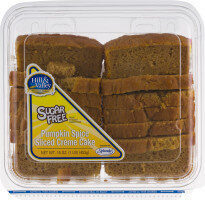
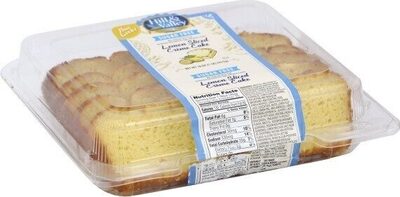
Learn more
Auto-generated content. This description was generated automatically and is pending editorial review. Inaccuracies are possible. Found a mistake? Contact us.