Whole Grain Amaranth
Auto-generated content. This description was generated automatically and is pending editorial review. Inaccuracies are possible. Found a mistake? Contact us.
What it is
Whole grain amaranth comes from the seeds of the amaranth plant, which is native to the Americas. It is considered a pseudocereal, similar to quinoa and buckwheat, meaning it's used like a grain but isn't botanically a true cereal grass. The whole grain includes the bran, germ, and endosperm.
Why it's used
Manufacturers add whole grain amaranth to foods for its nutritional benefits, including protein and fiber, and its distinctive nutty flavor. It is also used as a gluten-free alternative to traditional grains. It is commonly found in breads, cereals, crackers, and baked goods.
Health notes
Whole grain amaranth is considered a food ingredient and is generally recognized as safe (GRAS) for its intended use in the US. It is a nutritious food source, providing protein, fiber, and various minerals. As a whole food ingredient, it is not typically evaluated by bodies like JECFA or EFSA in the same way food additives are. There are no significant health controversies associated with consuming whole grain amaranth at typical intake levels.
Allergen info
Whole grain amaranth is not a major allergen. It is naturally gluten-free.
Products containing Whole Grain Amaranth
Compare products →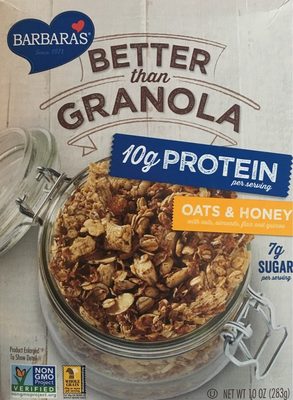 Post Consumer Brands, LLC
Oats & Honey With Oats, Almonds, Flax And Quinoa Better Than Granola, Oats & Honey
382kcal
18.2Protein
6.4Fat
69.1Carbs
Love's Bakery Inc.
12 Grain Bread
256kcal
11.6Protein
4.7Fat
44.2Carbs
LJL Enterprises, Inc.
Wild Ancient Grain Buns
241kcal
4.0Protein
4.0Fat
50Carbs
Nabisco Biscuit Company
Mini Crunch Bars Snack, Thai Coconut
467kcal
6.7Protein
23.3Fat
66.7Carbs
Nabisco Biscuit Company
Thai Coconut Mini Crunch Bars, Thai Coconut
467kcal
6.7Protein
23.3Fat
66.7Carbs
Preferred Brands International
Organic Ancient Grains
157kcal
4.3Protein
2.5Fat
30.7Carbs
Post Consumer Brands, LLC
Oats & Honey With Oats, Almonds, Flax And Quinoa Better Than Granola, Oats & Honey
382kcal
18.2Protein
6.4Fat
69.1Carbs
Love's Bakery Inc.
12 Grain Bread
256kcal
11.6Protein
4.7Fat
44.2Carbs
LJL Enterprises, Inc.
Wild Ancient Grain Buns
241kcal
4.0Protein
4.0Fat
50Carbs
Nabisco Biscuit Company
Mini Crunch Bars Snack, Thai Coconut
467kcal
6.7Protein
23.3Fat
66.7Carbs
Nabisco Biscuit Company
Thai Coconut Mini Crunch Bars, Thai Coconut
467kcal
6.7Protein
23.3Fat
66.7Carbs
Preferred Brands International
Organic Ancient Grains
157kcal
4.3Protein
2.5Fat
30.7Carbs