Whole Grain Cornmeal
What is Whole Grain Cornmeal?
Whole grain cornmeal is a coarse flour made from dried whole corn kernels. The entire kernel, including the bran, germ, and endosperm, is ground to create this ingredient. It has a distinct corn flavor and a slightly gritty texture.
Is Whole Grain Cornmeal vegan?
Whole Grain Cornmeal is not animal-derived. Products that contain it can still include other animal-derived ingredients, so check the full ingredient list.
Is Whole Grain Cornmeal gluten-free?
It does not contain gluten.
Is Whole Grain Cornmeal a major allergen?
Corn is not one of the nine FDA major allergens.
What is Whole Grain Cornmeal used for?
Manufacturers use whole grain cornmeal as a base ingredient in baked goods, providing structure and a characteristic flavor.
Is Whole Grain Cornmeal safe?
Whole grain cornmeal is generally recognized as safe (GRAS) by the FDA for use in food.
Why it's used
Manufacturers use whole grain cornmeal as a base ingredient in baked goods, providing structure and a characteristic flavor. It is commonly found in cornbread, muffins, pancakes, and as a coating for fried foods. Its texture can add a pleasing grittiness to products.
Health notes
Whole grain cornmeal is generally recognized as safe (GRAS) by the FDA for use in food. It is a source of fiber and some B vitamins. Regulatory bodies like JECFA and EFSA have evaluated corn and corn-derived products. Evidence suggests that whole grains contribute to a healthy diet.
Allergen info
Corn is not one of the nine FDA major allergens. It does not contain gluten.
Foods that contain Whole Grain Cornmeal
Compare products →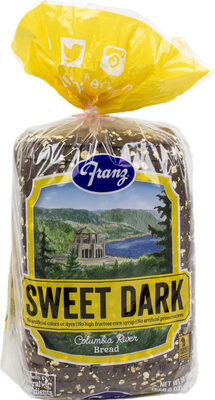
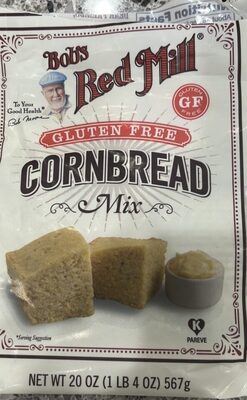
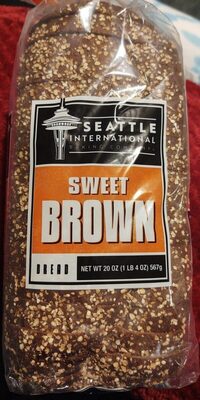
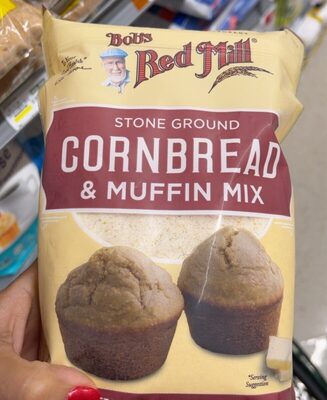
Learn more
Auto-generated content. This description was generated automatically and is pending editorial review. Inaccuracies are possible. Found a mistake? Contact us.