Calcium Acid Pyrophosphate
What is Calcium Acid Pyrophosphate?
Calcium acid pyrophosphate is a white, powdery mineral compound. It is made by heating calcium phosphate, often derived from rock phosphate or bone meal, with phosphoric acid. This process creates a salt that is insoluble in water.
Is Calcium Acid Pyrophosphate gluten-free?
It does not contain gluten.
Is Calcium Acid Pyrophosphate a major allergen?
Calcium acid pyrophosphate is not derived from any of the nine major allergens recognized by the FDA.
What is Calcium Acid Pyrophosphate used for?
Manufacturers use calcium acid pyrophosphate as a leavening agent in baked goods.
Is Calcium Acid Pyrophosphate safe?
In the U.S., calcium acid pyrophosphate is generally recognized as safe (GRAS) by the FDA when used as intended.
Why it's used
Manufacturers use calcium acid pyrophosphate as a leavening agent in baked goods. It reacts with baking soda to produce carbon dioxide gas, which makes doughs and batters rise. It is commonly found in products like muffins, biscuits, pancakes, and cake mixes.
Health notes
In the U.S., calcium acid pyrophosphate is generally recognized as safe (GRAS) by the FDA when used as intended. It serves as a source of calcium and phosphorus. The Joint FAO/WHO Expert Committee on Food Additives (JECFA) has evaluated it, and the European Food Safety Authority (EFSA) has also assessed its safety. Evidence does not suggest adverse health effects at typical dietary intake levels.
Allergen info
Calcium acid pyrophosphate is not derived from any of the nine major allergens recognized by the FDA. It does not contain gluten.
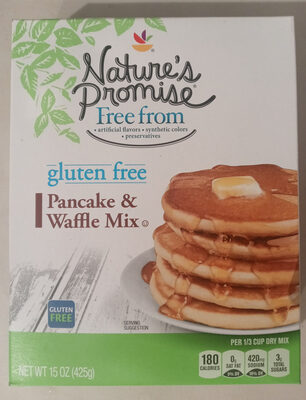
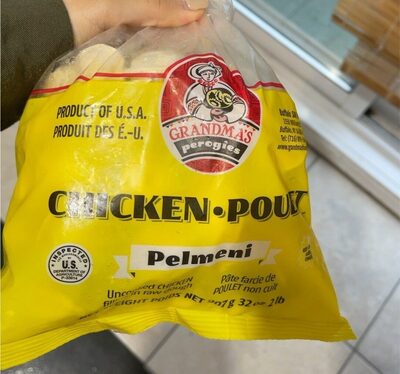
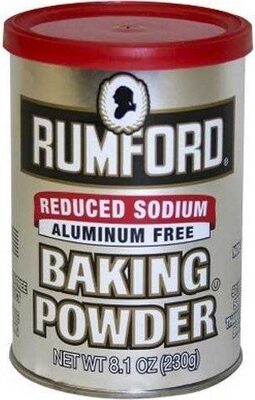
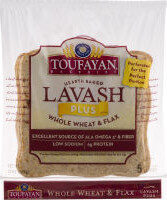
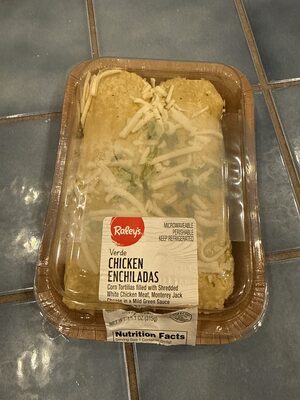
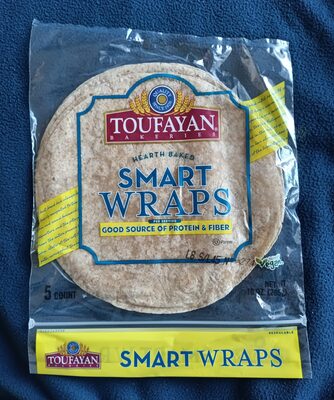
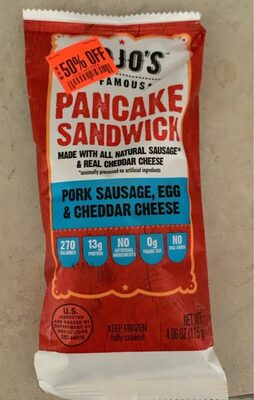
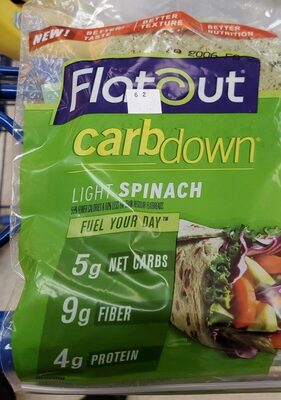
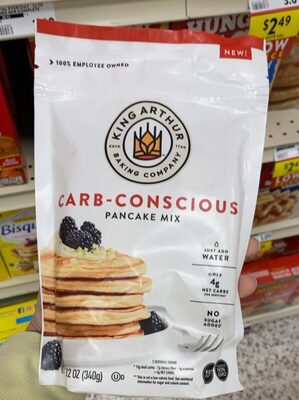
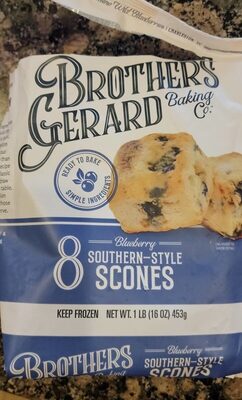
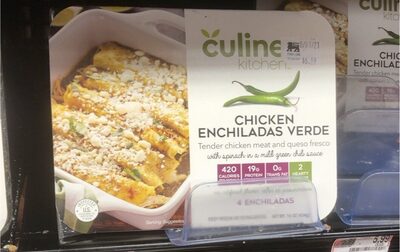
Foods that contain Calcium Acid Pyrophosphate
Compare products →








Auto-generated content. This description was generated automatically and is pending editorial review. Inaccuracies are possible. Found a mistake? Contact us.