Cooked Lobster
What is Cooked Lobster?
Lobster is a marine crustacean, a type of shellfish. It is typically cooked by boiling or steaming before being used as a food ingredient. Lobster meat is known for its sweet, delicate flavor and firm texture.
Is Cooked Lobster vegan?
No. Cooked Lobster is animal-derived, so it is not vegan.
Is Cooked Lobster a major allergen?
Lobster is classified as a shellfish, which is one of the 9 FDA major allergens.
What is Cooked Lobster used for?
Cooked lobster is used to add a rich seafood flavor and texture to dishes.
Is Cooked Lobster safe?
Lobster is a natural food ingredient and is not subject to FDA additive regulations.
Why it's used
Cooked lobster is used to add a rich seafood flavor and texture to dishes. It is commonly found in prepared meals, soups, bisques, and pasta dishes. It serves as a primary protein source and flavor enhancer.
Health notes
Lobster is a natural food ingredient and is not subject to FDA additive regulations. It is a good source of protein, vitamin B12, and minerals like selenium and zinc. The World Health Organization (WHO) has not specifically evaluated lobster as a food ingredient. Like other shellfish, it can be a source of cholesterol, but dietary cholesterol's impact on blood cholesterol is considered less significant for most people than previously thought.
Allergen info
Lobster is classified as a shellfish, which is one of the 9 FDA major allergens. Individuals with shellfish allergies should avoid consuming lobster.
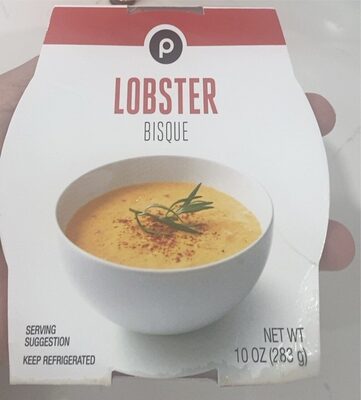
Foods that contain Cooked Lobster
Compare products →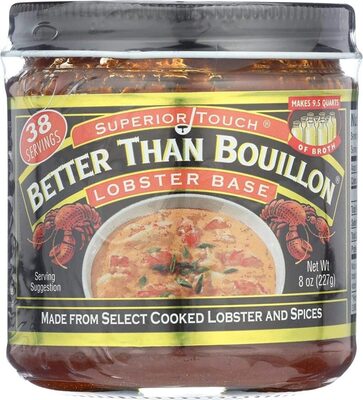
Learn more
Auto-generated content. This description was generated automatically and is pending editorial review. Inaccuracies are possible. Found a mistake? Contact us.