Crab Surimi
What is Crab Surimi?
Crab surimi is a processed seafood product made from fish, often pollock. The fish is deboned, minced, and washed to remove fat and undesirable flavors. It is then mixed with binders, flavorings, and sometimes colorings to mimic the texture and taste of crab meat.
Is Crab Surimi vegan?
No. Crab Surimi is animal-derived, so it is not vegan.
Is Crab Surimi gluten-free?
It does not contain gluten.
Is Crab Surimi a major allergen?
Crab surimi is derived from fish and is therefore a major allergen.
What is Crab Surimi used for?
Surimi is used as a lower-cost substitute for real crab meat in various products.
Is Crab Surimi safe?
Crab surimi is generally recognized as safe (GRAS) by the FDA when used as a food ingredient.
Why it's used
Surimi is used as a lower-cost substitute for real crab meat in various products. It acts as a binder and texturizer, helping to create a firm, flaky consistency. It is commonly found in imitation crab sticks, seafood salads, sushi rolls, and frozen appetizers.
Health notes
Crab surimi is generally recognized as safe (GRAS) by the FDA when used as a food ingredient. It is a source of protein and other nutrients found in fish. International bodies like JECFA have evaluated similar seafood products. Evidence does not suggest adverse health effects from typical consumption.
Allergen info
Crab surimi is derived from fish and is therefore a major allergen. It is not derived from shellfish, tree nuts, peanuts, milk, egg, soy, wheat, or sesame. It does not contain gluten.
Foods that contain Crab Surimi
Compare products →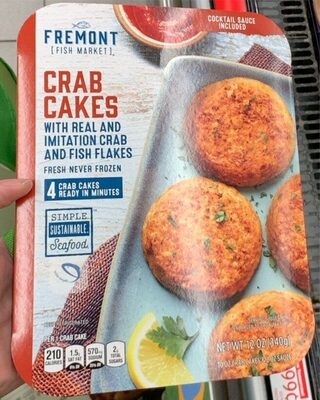
Learn more
Auto-generated content. This description was generated automatically and is pending editorial review. Inaccuracies are possible. Found a mistake? Contact us.