Flaked Corn
What is Flaked Corn?
Flaked corn is made from whole corn kernels that have been cooked, dried, and then rolled into thin flakes. It is a type of processed corn product used in various food applications. The process aims to create a product that rehydrates easily and adds texture.
Is Flaked Corn vegan?
Flaked Corn is not animal-derived. Products that contain it can still include other animal-derived ingredients, so check the full ingredient list.
Is Flaked Corn gluten-free?
It does not contain gluten.
Is Flaked Corn a major allergen?
Corn is not one of the nine major allergens recognized by the FDA.
What is Flaked Corn used for?
Manufacturers use flaked corn primarily for its texture and ability to absorb moisture, making it a common ingredient in breakfast cereals, granola bars, and baked goods like cookies and muffins.
Is Flaked Corn safe?
Flaked corn is generally recognized as safe (GRAS) by the FDA when used as a food ingredient.
Why it's used
Manufacturers use flaked corn primarily for its texture and ability to absorb moisture, making it a common ingredient in breakfast cereals, granola bars, and baked goods like cookies and muffins. It can also contribute a mild corn flavor to products.
Health notes
Flaked corn is generally recognized as safe (GRAS) by the FDA when used as a food ingredient. It is a source of carbohydrates and dietary fiber. International bodies like JECFA have evaluated corn and its derivatives, and EFSA has also reviewed related food additives.
Allergen info
Corn is not one of the nine major allergens recognized by the FDA. It does not contain gluten.
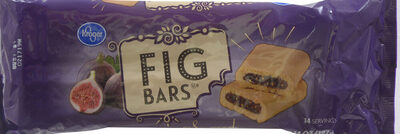
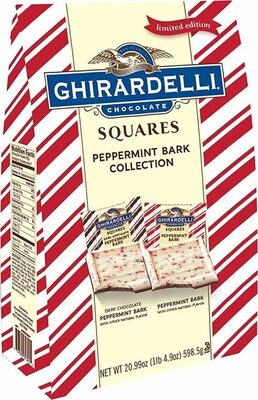
Foods that contain Flaked Corn
Compare products →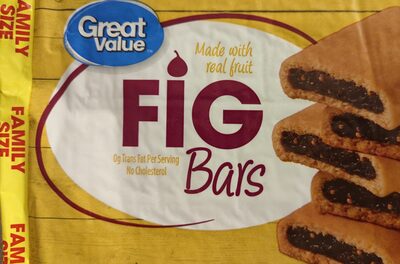
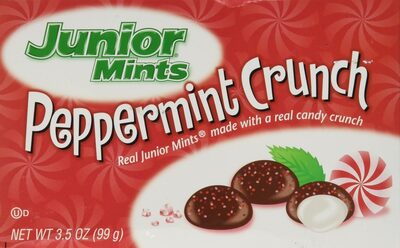
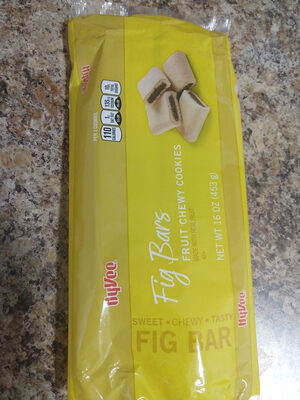
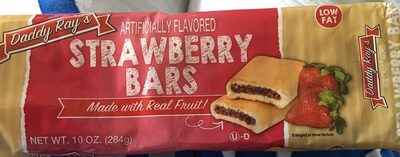

Learn more
Auto-generated content. This description was generated automatically and is pending editorial review. Inaccuracies are possible. Found a mistake? Contact us.