Grade A Skim Milk
What is Grade A Skim Milk?
Grade A skim milk is milk from which most of the fat has been removed. It is a fluid dairy product that is pasteurized and often fortified with vitamins A and D. Skim milk is a common ingredient in many dairy products and beverages.
Is Grade A Skim Milk vegan?
No. Grade A Skim Milk is animal-derived, so it is not vegan.
Is Grade A Skim Milk a major allergen?
Milk is one of the 9 major allergens recognized by the FDA.
What is Grade A Skim Milk used for?
Skim milk is used as a base for low-fat dairy products like yogurt, cottage cheese, and ice cream.
Is Grade A Skim Milk safe?
Skim milk is generally recognized as safe (GRAS) by the FDA.
Why it's used
Skim milk is used as a base for low-fat dairy products like yogurt, cottage cheese, and ice cream. It can also be used in baked goods and beverages to reduce fat content while maintaining a liquid base. Its protein and calcium content also make it a nutritious addition.
Health notes
Skim milk is generally recognized as safe (GRAS) by the FDA. It is a good source of protein and calcium, which are important for bone health. Regulatory bodies like JECFA and EFSA have evaluated milk and dairy products. Typical consumption of skim milk as part of a balanced diet is not associated with adverse health effects.
Allergen info
Milk is one of the 9 major allergens recognized by the FDA. Individuals with a milk allergy should avoid skim milk.
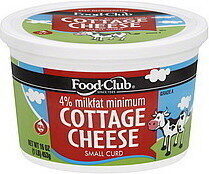
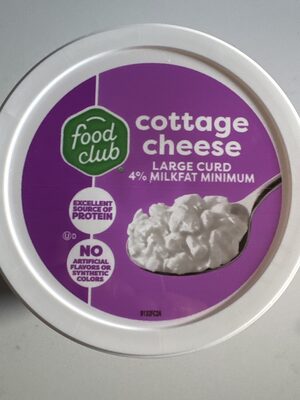
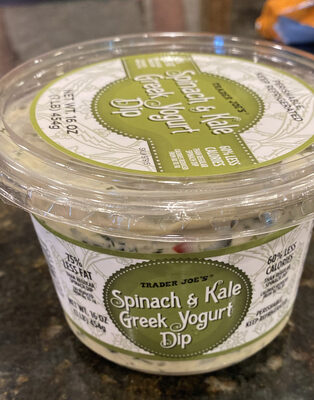
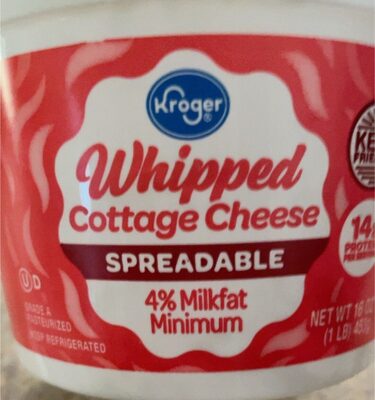
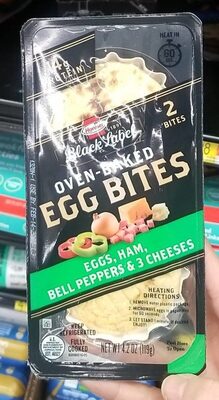
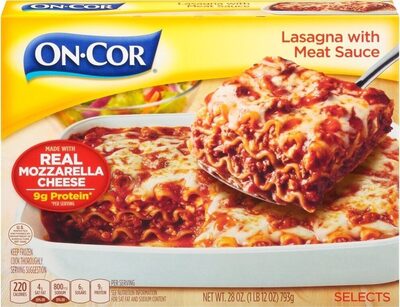
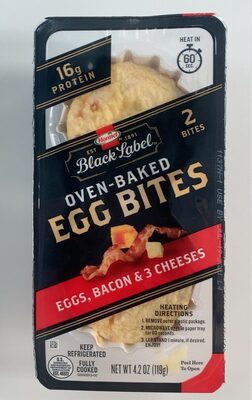
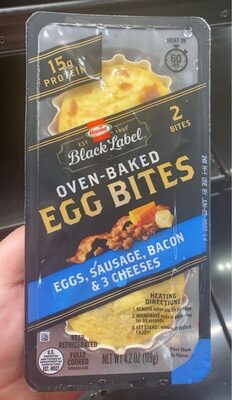
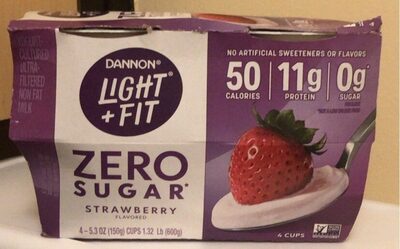
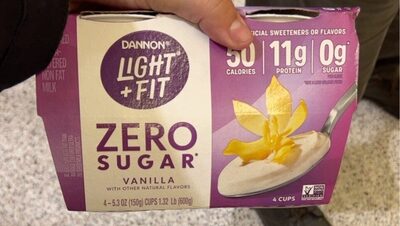
Foods that contain Grade A Skim Milk
Compare products →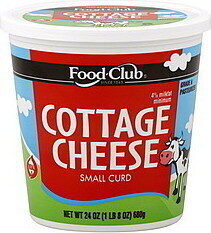
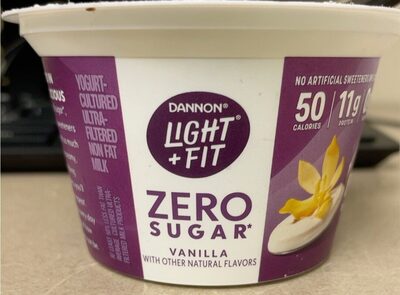
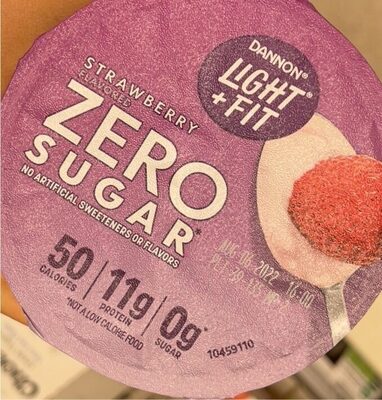
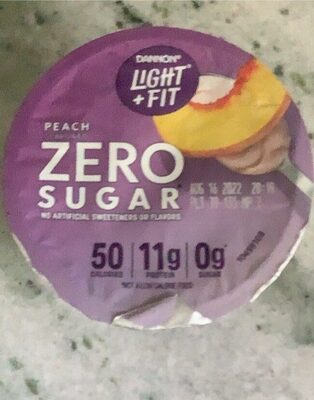
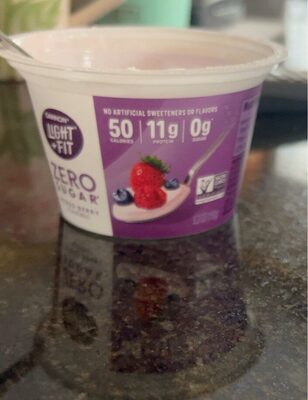
Learn more
Auto-generated content. This description was generated automatically and is pending editorial review. Inaccuracies are possible. Found a mistake? Contact us.