Grain Blend
What is Grain Blend?
A grain blend is a mixture of different cereal grains, such as wheat, oats, barley, rye, corn, or rice. These grains come from various plants and are typically processed into flours, meals, or whole/cracked grains before being combined.
Is Grain Blend vegan?
Grain Blend is not animal-derived. Products that contain it can still include other animal-derived ingredients, so check the full ingredient list.
Is Grain Blend gluten-free?
A grain blend often contains wheat, which is one of the nine major food allergens identified by the FDA, and thus contains gluten.
What is Grain Blend used for?
Manufacturers add grain blends to foods primarily to provide texture, flavor, fiber, and various nutrients.
Is Grain Blend safe?
Grain blends are generally recognized as safe (GRAS) as food ingredients by the FDA.
Why it's used
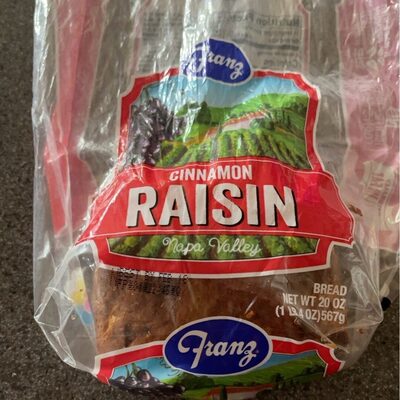
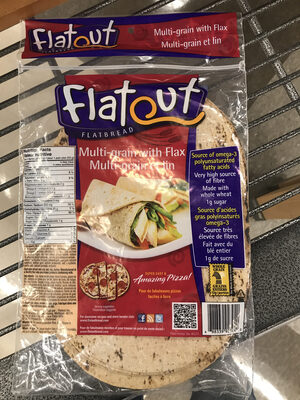
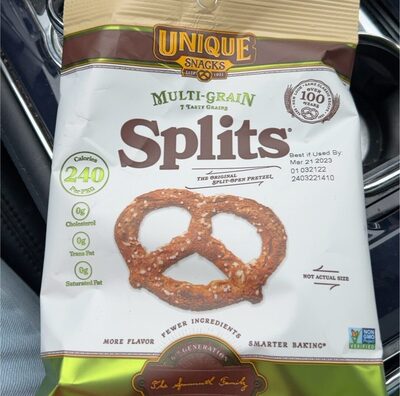
Manufacturers add grain blends to foods primarily to provide texture, flavor, fiber, and various nutrients. They serve as a base ingredient in many products, including breads, cereals, crackers, snacks, and baked goods.
Health notes
Grain blends are generally recognized as safe (GRAS) as food ingredients by the FDA. The specific nutritional benefits and health considerations depend on the types of grains included in the blend. Grains are a source of carbohydrates, fiber, and various vitamins and minerals, contributing to a balanced diet.
Allergen info
A grain blend often contains wheat, which is one of the nine major food allergens identified by the FDA, and thus contains gluten. Depending on the specific grains used, it may also contain other allergens or gluten-containing grains like barley or rye.
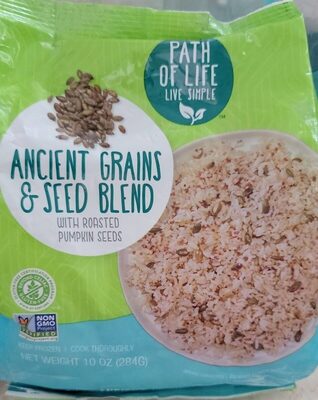
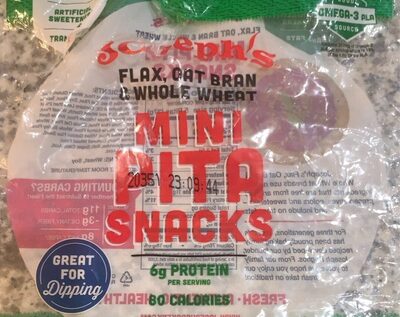
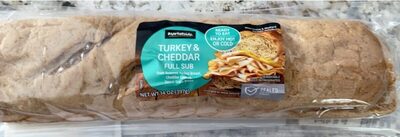
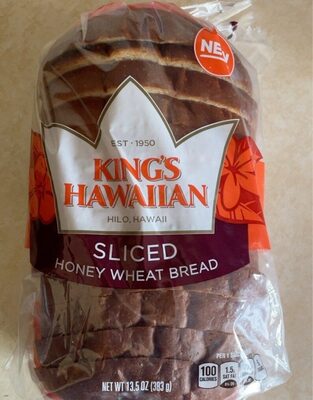
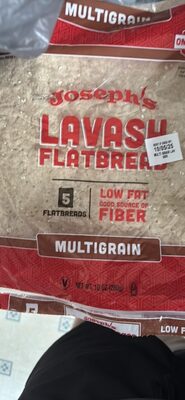
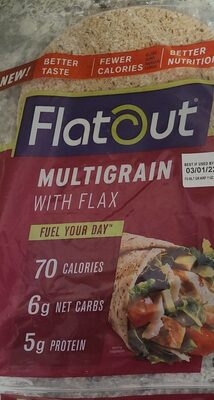
Foods that contain Grain Blend
Compare products →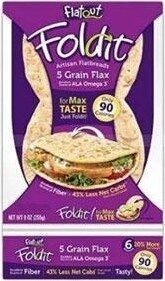
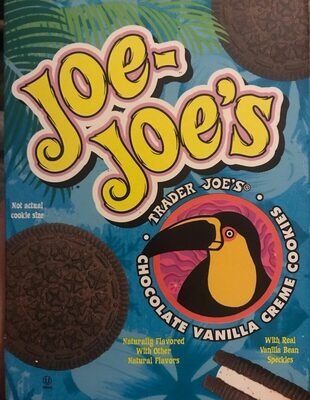
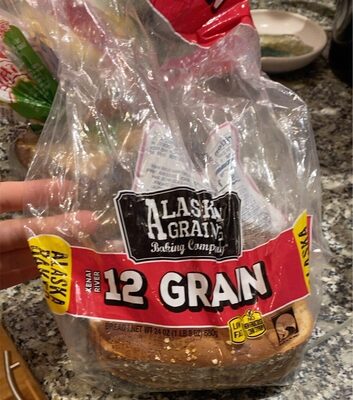
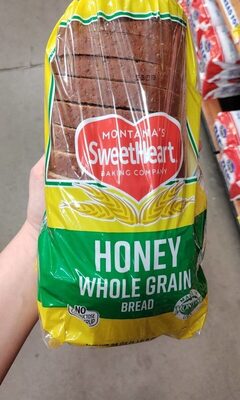
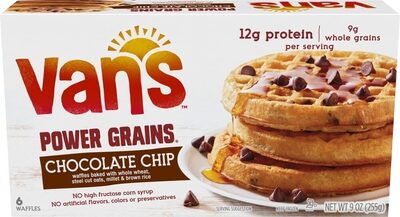
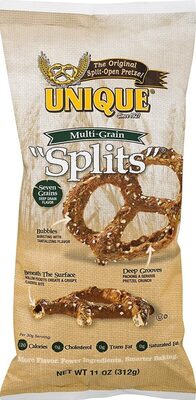
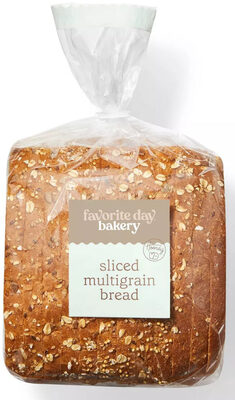
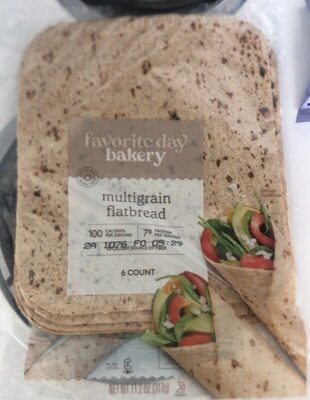
Learn more
Auto-generated content. This description was generated automatically and is pending editorial review. Inaccuracies are possible. Found a mistake? Contact us.