Kikurage Mushroom
What is Kikurage Mushroom?
Kikurage mushroom, also known as wood ear mushroom, is a type of edible fungus. It grows on dead trees and decaying wood, often found in warmer climates. It has a mild flavor and a chewy, slightly crunchy texture when rehydrated.
Is Kikurage Mushroom vegan?
Kikurage Mushroom is not animal-derived. Products that contain it can still include other animal-derived ingredients, so check the full ingredient list.
Is Kikurage Mushroom gluten-free?
It is also not related to gluten.
Is Kikurage Mushroom a major allergen?
Kikurage mushroom is not one of the nine FDA major allergens.
What is Kikurage Mushroom used for?
Kikurage mushroom is often used in Asian cuisine for its unique texture.
Is Kikurage Mushroom safe?
Kikurage mushroom is a food ingredient and is generally recognized as safe (GRAS) by the FDA.
Why it's used
Kikurage mushroom is often used in Asian cuisine for its unique texture. Manufacturers add it to deli salads, sushi, pickles, and relishes to provide a pleasing chewiness and visual appeal. It is typically found in seaweed salads and other prepared vegetable dishes.
Health notes
Kikurage mushroom is a food ingredient and is generally recognized as safe (GRAS) by the FDA. It is a source of dietary fiber and some micronutrients. International bodies like JECFA have evaluated mushrooms and their components, but specific evaluations for kikurage may vary. There is no widespread controversy regarding its consumption at typical dietary levels.
Allergen info
Kikurage mushroom is not one of the nine FDA major allergens. It is also not related to gluten.
Foods that contain Kikurage Mushroom
Compare products →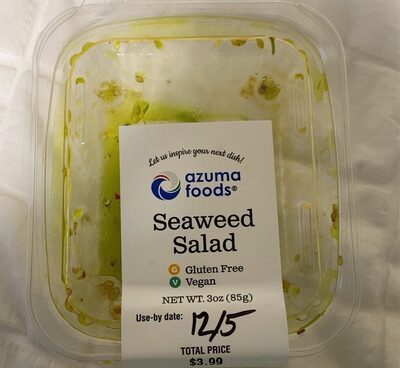


Auto-generated content. This description was generated automatically and is pending editorial review. Inaccuracies are possible. Found a mistake? Contact us.