Less Than 1% Enzymes
What is Less Than 1% Enzymes?
Enzymes are proteins that help speed up chemical reactions. They can be produced by plants, animals, or microorganisms like bacteria and fungi. In food production, enzymes are often isolated from these sources or produced through fermentation.
Is Less Than 1% Enzymes a major allergen?
Enzymes themselves are not typically considered major allergens.
What is Less Than 1% Enzymes used for?
Enzymes are used in food processing for various functions, such as improving dough texture in baking, aiding in cheese production, clarifying juices, and tenderizing meat.
Is Less Than 1% Enzymes safe?
Enzymes used in food are generally considered safe and are often Generally Recognized As Safe (GRAS) by the FDA.
Why it's used
Enzymes are used in food processing for various functions, such as improving dough texture in baking, aiding in cheese production, clarifying juices, and tenderizing meat. They are often listed on ingredient labels when they perform a specific technological function in the final product.
Health notes
Enzymes used in food are generally considered safe and are often Generally Recognized As Safe (GRAS) by the FDA. They are typically broken down during digestion and do not pose a health risk at the levels found in food. International bodies like JECFA have evaluated many enzymes, and EFSA also assesses their safety for use in food.
Allergen info
Enzymes themselves are not typically considered major allergens. However, if an enzyme is derived from a source that is a major allergen (like wheat or soy), there is a potential for cross-contamination, though the enzyme protein itself is usually highly purified.
Foods that contain Less Than 1% Enzymes
Compare products →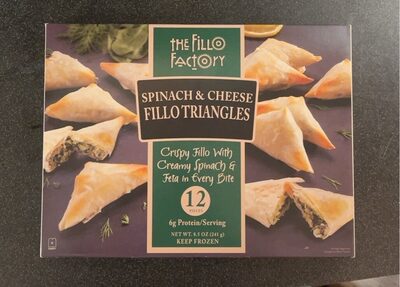
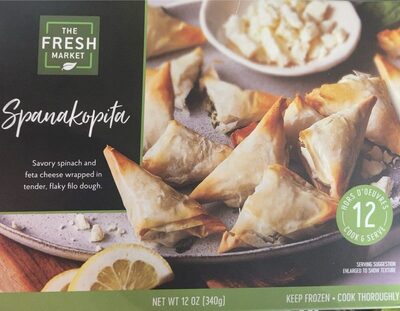
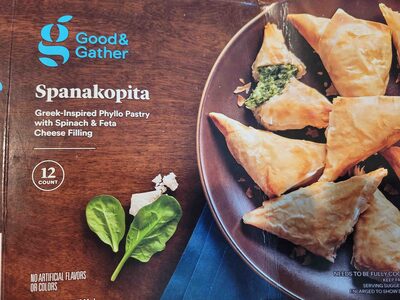
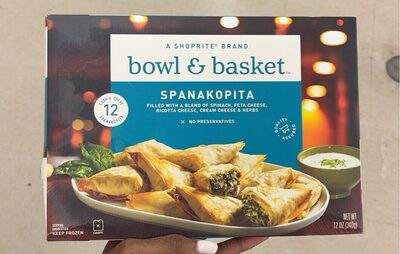
Auto-generated content. This description was generated automatically and is pending editorial review. Inaccuracies are possible. Found a mistake? Contact us.