Linseeds
What is Linseeds?
Linseeds, also known as flaxseeds, are the tiny seeds of the flax plant (Linum usitatissimum). They are harvested and can be consumed whole, ground, or pressed to extract flaxseed oil. Flaxseeds are a source of fiber, protein, and omega-3 fatty acids.
Is Linseeds vegan?
Linseeds is not animal-derived. Products that contain it can still include other animal-derived ingredients, so check the full ingredient list.
Is Linseeds gluten-free?
Flaxseed does not contain gluten.
Is Linseeds a major allergen?
Linseeds are not one of the nine major allergens designated by the FDA.
What is Linseeds used for?
Linseeds are often added to foods for their nutritional content and texture.
Is Linseeds safe?
Linseeds are generally recognized as safe (GRAS) by the FDA for use in food.
Why it's used
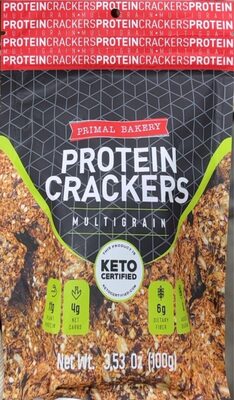
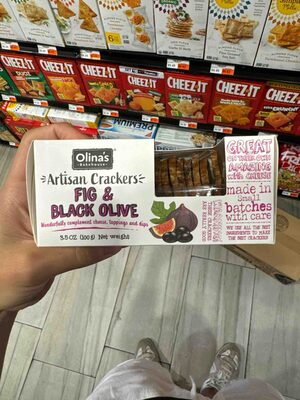
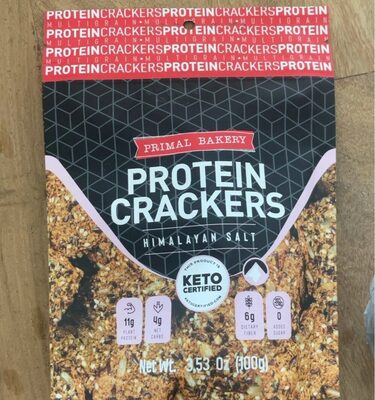
Linseeds are often added to foods for their nutritional content and texture. They are commonly found in baked goods like breads, crackers, and muffins, as well as in cereals and snack bars. Their nutty flavor and slight crunch can enhance the appeal of these products.
Health notes
Linseeds are generally recognized as safe (GRAS) by the FDA for use in food. They are a source of dietary fiber and omega-3 fatty acids, which are associated with various health benefits in scientific literature. The European Food Safety Authority (EFSA) has also evaluated flaxseed and its components. While generally considered healthy, consuming large amounts of whole linseeds without adequate fluid may cause digestive discomfort.
Allergen info
Linseeds are not one of the nine major allergens designated by the FDA. However, they are botanically related to cotton and okra. Flaxseed does not contain gluten.
Foods that contain Linseeds
Compare products →
 Simple Truth
Cheese & Garlic Flatbread Crackers, Cheese & Garlic
433kcal
20Protein
13.3Fat
56.7Carbs


Learn more
Auto-generated content. This description was generated automatically and is pending editorial review. Inaccuracies are possible. Found a mistake? Contact us.