Lite Mayonnaise
What is Lite Mayonnaise?
Lite mayonnaise is a reduced-fat, reduced-calorie version of traditional mayonnaise. It is made by replacing some of the oil and egg yolks with water, starches, and sometimes artificial sweeteners or gums to maintain a similar texture and flavor.
Is Lite Mayonnaise vegan?
No. Lite Mayonnaise is animal-derived, so it is not vegan.
Is Lite Mayonnaise a major allergen?
Lite mayonnaise may contain egg, which is one of the FDA's nine major allergens.
What is Lite Mayonnaise used for?
Manufacturers use lite mayonnaise as a lower-calorie alternative to regular mayonnaise.
Is Lite Mayonnaise safe?
In the US, ingredients used in lite mayonnaise, such as modified food starch and gums, are generally recognized as safe (GRAS) by the FDA.
Why it's used
Manufacturers use lite mayonnaise as a lower-calorie alternative to regular mayonnaise. It functions as an emulsifier, binder, and provides a creamy texture and tangy flavor in foods like deli salads, sandwiches, and dips.
Health notes
In the US, ingredients used in lite mayonnaise, such as modified food starch and gums, are generally recognized as safe (GRAS) by the FDA. Regulatory bodies like the Joint FAO/WHO Expert Committee on Food Additives (JECFA) and the European Food Safety Authority (EFSA) have evaluated many of these individual ingredients. Evidence does not suggest adverse health effects from consuming these ingredients at typical dietary levels.
Allergen info
Lite mayonnaise may contain egg, which is one of the FDA's nine major allergens. It is not derived from fish, shellfish, tree nuts, peanuts, wheat, soy, sesame, or milk unless other ingredients are added.
Foods that contain Lite Mayonnaise
Compare products →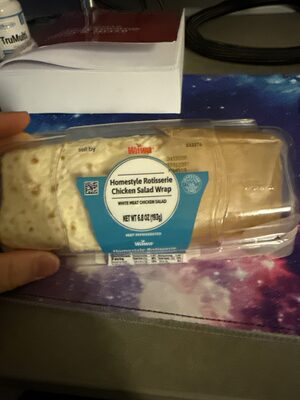
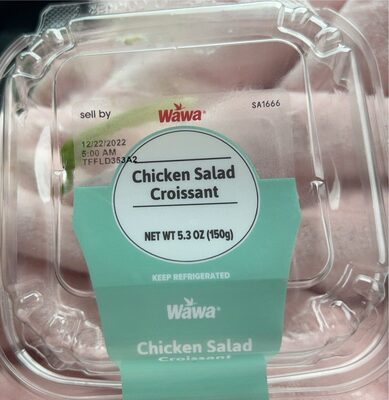
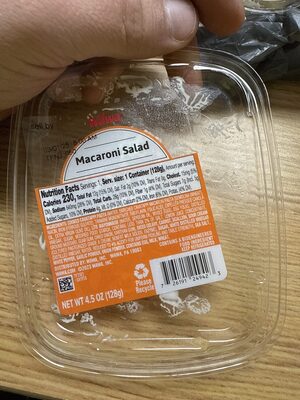
Learn more
Auto-generated content. This description was generated automatically and is pending editorial review. Inaccuracies are possible. Found a mistake? Contact us.