Mold Inhibitors
What is Mold Inhibitors?
Mold inhibitors are substances added to foods to prevent the growth of mold. They can be naturally occurring compounds or synthetically produced chemicals. Their purpose is to extend the shelf life of food products by inhibiting spoilage.
Is Mold Inhibitors gluten-free?
Gluten is not inherently present unless the inhibitor is used in a product containing gluten.
Is Mold Inhibitors a major allergen?
Mold inhibitors are not typically derived from the major allergens.
What is Mold Inhibitors used for?
Mold inhibitors are primarily used as preservatives to prevent spoilage and maintain the quality of baked goods and other processed foods.
Is Mold Inhibitors safe?
In the U.S., many mold inhibitors are approved by the FDA as food additives or are generally recognized as safe (GRAS).
Why it's used
Mold inhibitors are primarily used as preservatives to prevent spoilage and maintain the quality of baked goods and other processed foods. They are commonly found in breads, cakes, pastries, and some dairy products to inhibit mold growth and extend shelf life.
Health notes
In the U.S., many mold inhibitors are approved by the FDA as food additives or are generally recognized as safe (GRAS). International bodies like JECFA and EFSA have also evaluated the safety of various mold inhibitors. While generally considered safe at levels used in food, some individuals may have sensitivities. Research continues to explore the long-term effects of various food additives.
Allergen info
Mold inhibitors are not typically derived from the major allergens. Gluten is not inherently present unless the inhibitor is used in a product containing gluten.
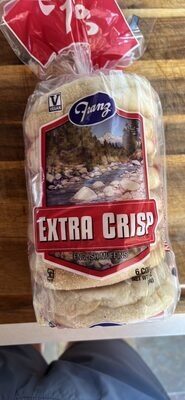
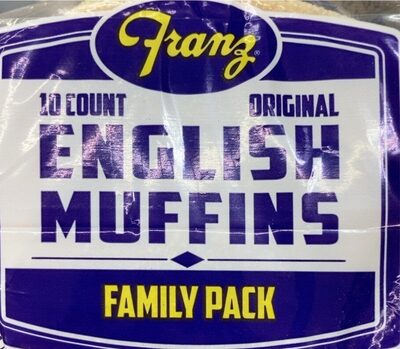
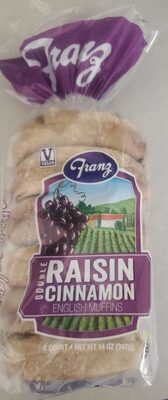
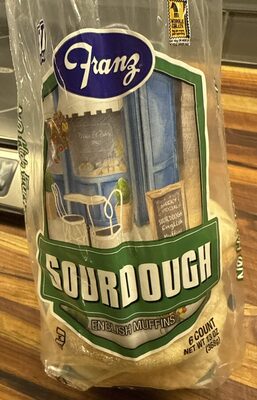
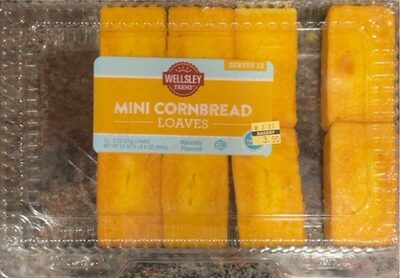
Foods that contain Mold Inhibitors
Compare products →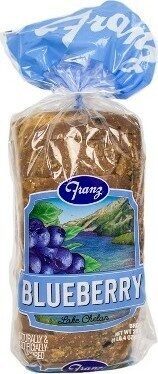
Learn more
Auto-generated content. This description was generated automatically and is pending editorial review. Inaccuracies are possible. Found a mistake? Contact us.