Natural Dough Conditioner
What is Natural Dough Conditioner?
Natural Dough Conditioner is a term used for ingredients that improve the texture and consistency of dough. These can include substances like enzymes, emulsifiers, or oxidizing agents derived from natural sources such as grains, fruits, or microorganisms.
Is Natural Dough Conditioner a major allergen?
Depending on the specific ingredient used as a natural dough conditioner, it may be derived from major allergens like wheat.
What is Natural Dough Conditioner used for?
Manufacturers add natural dough conditioners to improve dough handling, increase loaf volume, and create a softer crumb in baked goods.
Is Natural Dough Conditioner safe?
Natural dough conditioners are generally recognized as safe (GRAS) by the FDA when used as intended.
Why it's used
Manufacturers add natural dough conditioners to improve dough handling, increase loaf volume, and create a softer crumb in baked goods. They are commonly found in breads, buns, muffins, and other pastries.
Health notes
Natural dough conditioners are generally recognized as safe (GRAS) by the FDA when used as intended. Regulatory bodies like JECFA and EFSA have evaluated various dough conditioners. Evidence does not suggest adverse health effects at typical consumption levels.
Allergen info
Depending on the specific ingredient used as a natural dough conditioner, it may be derived from major allergens like wheat. Consumers concerned about allergens should check the ingredient list.
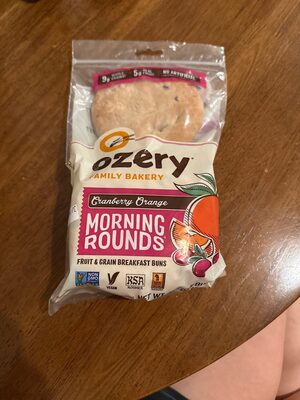
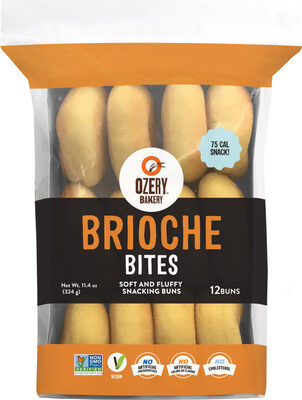
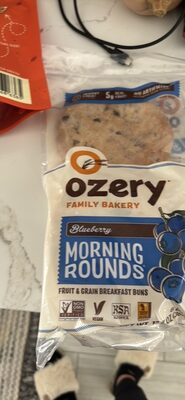
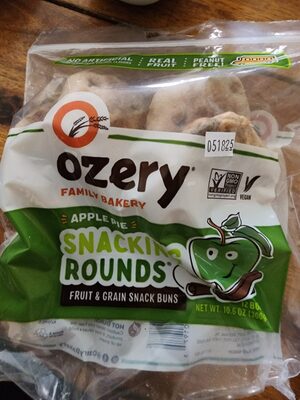
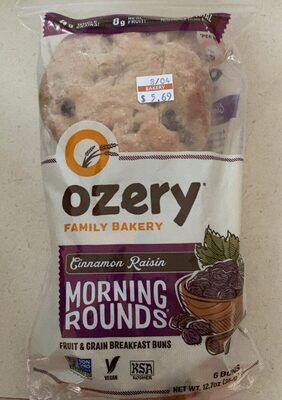
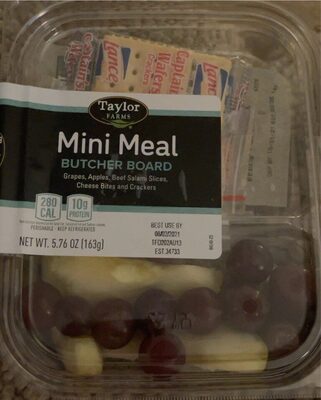
Foods that contain Natural Dough Conditioner
Compare products →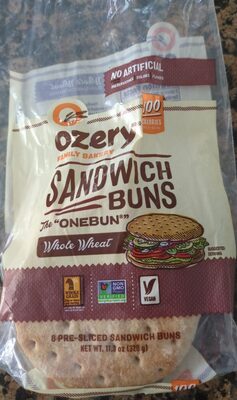

Auto-generated content. This description was generated automatically and is pending editorial review. Inaccuracies are possible. Found a mistake? Contact us.