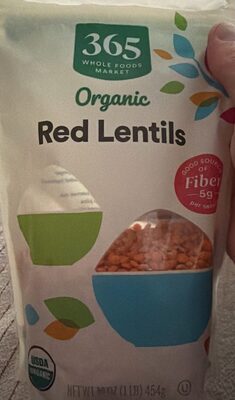
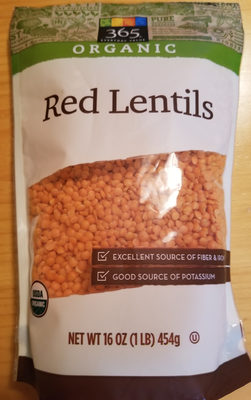
Organic Red Lentils
What is Organic Red Lentils?
Organic red lentils are a variety of lentil that has been grown without the use of synthetic pesticides or fertilizers. They are the dried seeds of the Lens culinaris plant, a legume. After harvesting, the outer skin is removed and the lentils are split, giving them a characteristic reddish-orange color and a soft texture when cooked.
Is Organic Red Lentils vegan?
Organic Red Lentils is not animal-derived. Products that contain it can still include other animal-derived ingredients, so check the full ingredient list.
Is Organic Red Lentils gluten-free?
They do not contain gluten.
Is Organic Red Lentils a major allergen?
Lentils are legumes, but they are not one of the 9 major allergens recognized by the FDA.
What is Organic Red Lentils used for?
Red lentils are a good source of plant-based protein and fiber, making them a popular ingredient in vegetarian and vegan dishes.
Is Organic Red Lentils safe?
Red lentils are a nutritious food, providing fiber, protein, and various micronutrients.
Why it's used
Red lentils are a good source of plant-based protein and fiber, making them a popular ingredient in vegetarian and vegan dishes. Manufacturers use them to add texture and nutritional value to products like soups, stews, veggie burgers, and lentil mixes. Their mild flavor and quick cooking time also make them versatile.
Health notes
Red lentils are a nutritious food, providing fiber, protein, and various micronutrients. The FDA considers lentils to be Generally Recognized As Safe (GRAS) when used as food. International bodies like JECFA and EFSA have evaluated lentils and their components, generally finding them safe for consumption. No significant health concerns are associated with consuming red lentils as part of a balanced diet.
Allergen info
Lentils are legumes, but they are not one of the 9 major allergens recognized by the FDA. They do not contain gluten.
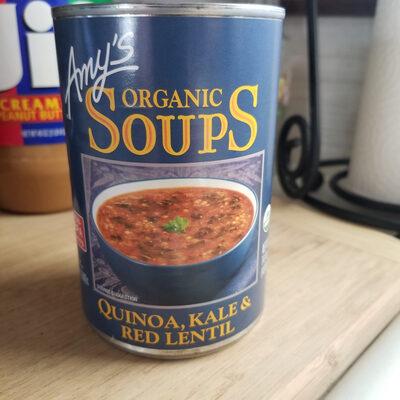
Foods that contain Organic Red Lentils
Compare products →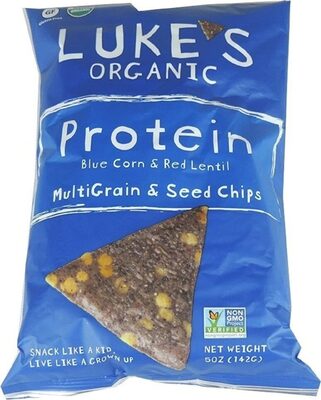
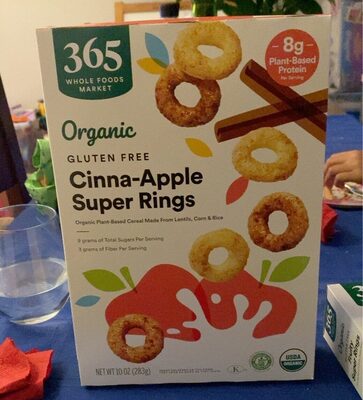
Learn more
Auto-generated content. This description was generated automatically and is pending editorial review. Inaccuracies are possible. Found a mistake? Contact us.