Organic Rye
What is Organic Rye?
Rye is a cereal grain, closely related to wheat. It is grown in many parts of the world, particularly in Northern and Eastern Europe. It is typically milled into flour for baking or used whole in dishes like porridge.
Is Organic Rye vegan?
Organic Rye is not animal-derived. Products that contain it can still include other animal-derived ingredients, so check the full ingredient list.
Is Organic Rye gluten-free?
However, rye contains gluten, which can cause adverse reactions in individuals with celiac disease or gluten sensitivity.
Is Organic Rye a major allergen?
Rye is not one of the 9 FDA major allergens.
What is Organic Rye used for?
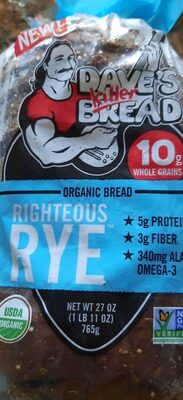
Rye flour is commonly used in baking, especially for rye bread, which has a dense texture and distinct flavor.
Is Organic Rye safe?
Rye is a whole grain and a source of dietary fiber, vitamins, and minerals.
Why it's used
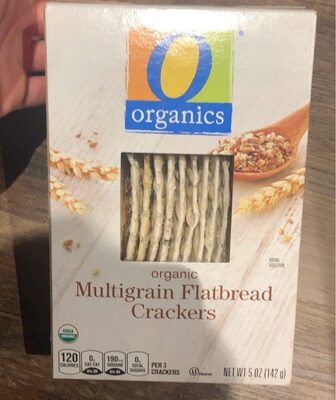
Rye flour is commonly used in baking, especially for rye bread, which has a dense texture and distinct flavor. It can also be found in crackers, cereals, and some alcoholic beverages like whiskey.
Health notes
Rye is a whole grain and a source of dietary fiber, vitamins, and minerals. The FDA considers whole grains like rye to be part of a healthy dietary pattern. JECFA has evaluated rye and its components, and EFSA has also assessed rye as a food ingredient. Typical consumption of rye as part of a balanced diet is not associated with adverse health effects.
Allergen info
Rye is not one of the 9 FDA major allergens. However, rye contains gluten, which can cause adverse reactions in individuals with celiac disease or gluten sensitivity.
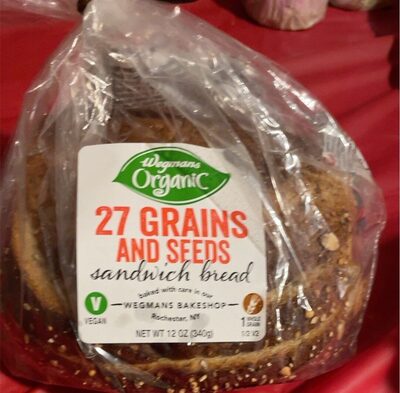
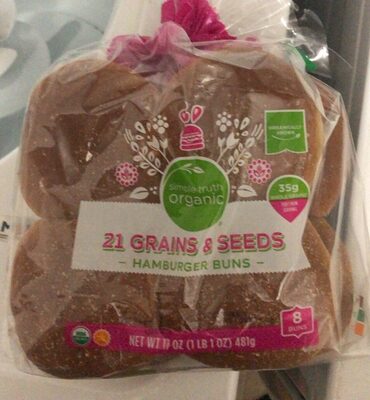
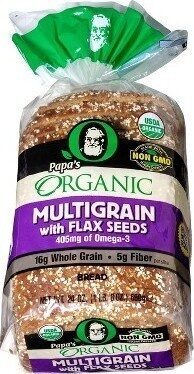
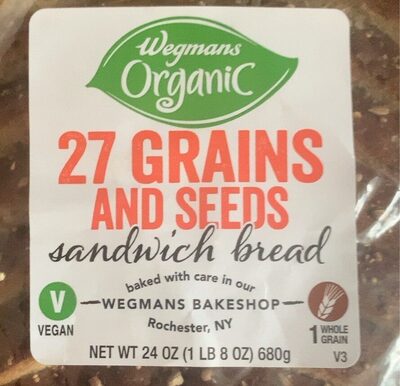
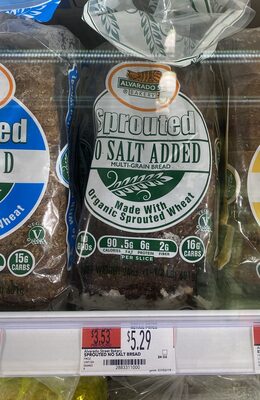
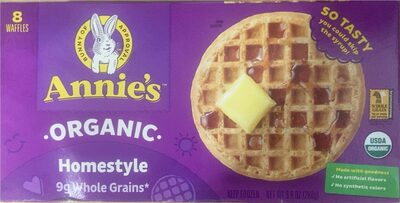
Foods that contain Organic Rye
Compare products →

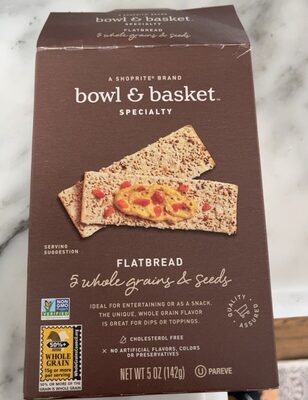
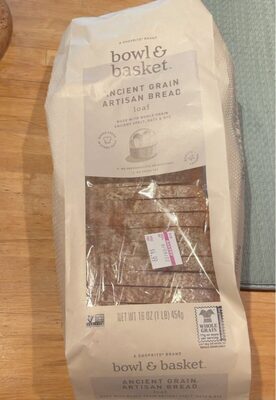
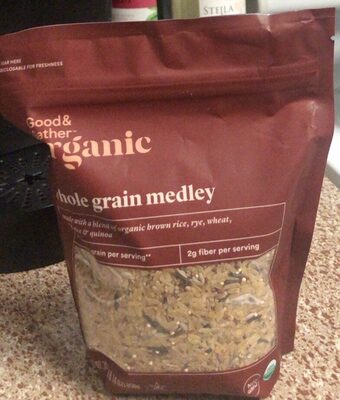
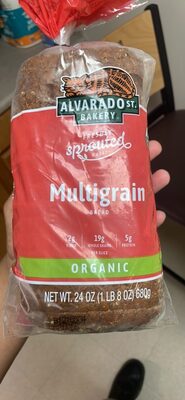
Learn more
Auto-generated content. This description was generated automatically and is pending editorial review. Inaccuracies are possible. Found a mistake? Contact us.