Organic Sprouted Barley
What is Organic Sprouted Barley?
Organic sprouted barley is whole barley grain that has been allowed to germinate (sprout) before being processed. Sprouting can change the grain's nutritional profile and make it easier to digest. It is often milled into flour for use in baked goods and cereals.
Is Organic Sprouted Barley vegan?
Organic Sprouted Barley is not animal-derived. Products that contain it can still include other animal-derived ingredients, so check the full ingredient list.
Is Organic Sprouted Barley gluten-free?
Barley contains gluten, a protein that can cause adverse reactions in people with celiac disease or gluten sensitivity.
What is Organic Sprouted Barley used for?
Manufacturers use sprouted barley flour as a whole grain ingredient in breads, cereals, and other baked goods.
Is Organic Sprouted Barley safe?
Organic sprouted barley is generally recognized as safe (GRAS) by the FDA when used as a food ingredient.
Why it's used
Manufacturers use sprouted barley flour as a whole grain ingredient in breads, cereals, and other baked goods. It contributes a nutty flavor and chewy texture, and is often chosen for its perceived nutritional benefits.
Health notes
Organic sprouted barley is generally recognized as safe (GRAS) by the FDA when used as a food ingredient. It is a source of fiber and nutrients. Regulatory bodies like JECFA and EFSA have evaluated barley and its components, but have not set specific limits for sprouted barley itself. Research suggests whole grains like barley may contribute to heart health and digestive wellness as part of a balanced diet.
Allergen info
Barley contains gluten, a protein that can cause adverse reactions in people with celiac disease or gluten sensitivity. Barley is not one of the 9 FDA major allergens.
Foods that contain Organic Sprouted Barley
Compare products →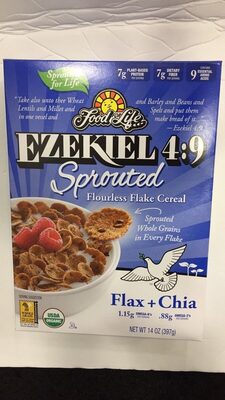
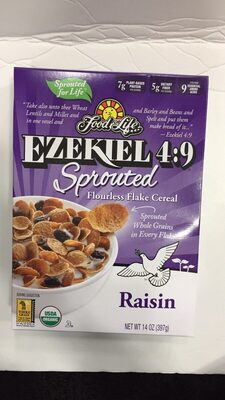
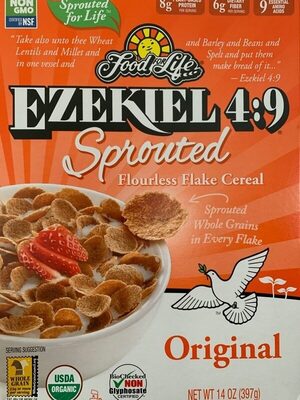
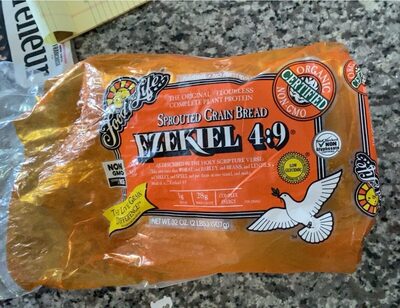
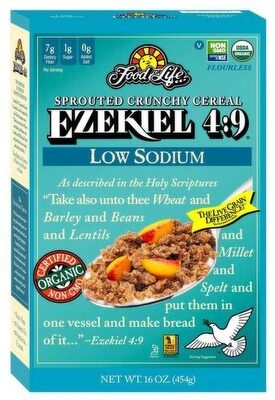
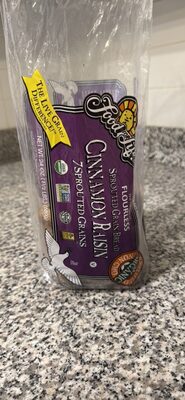
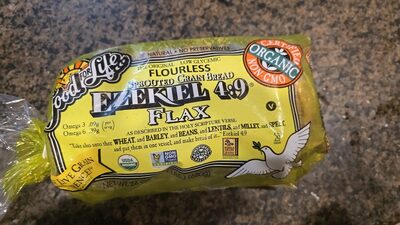

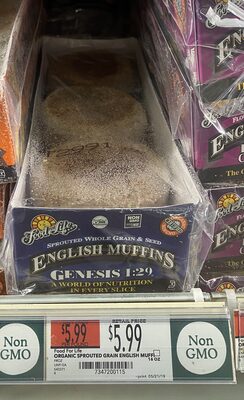
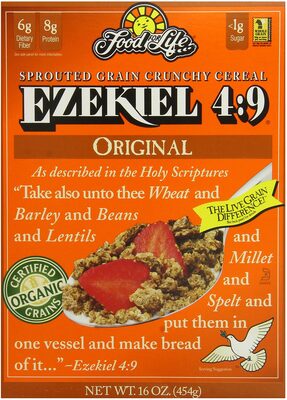
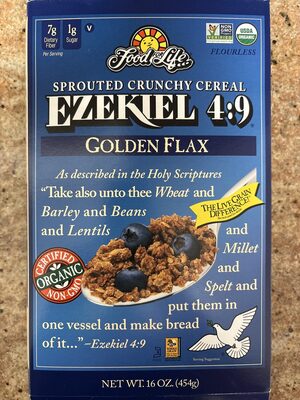
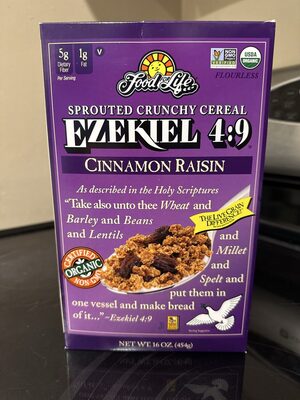
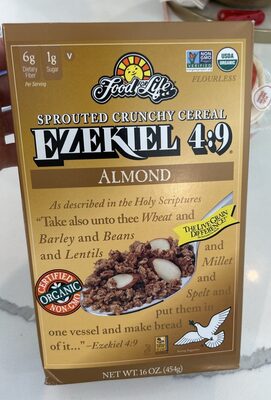

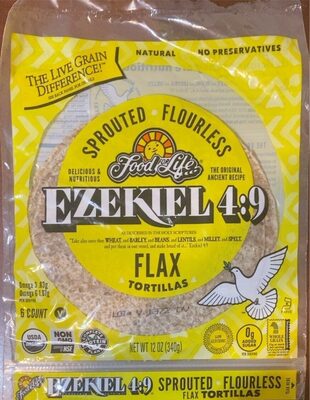
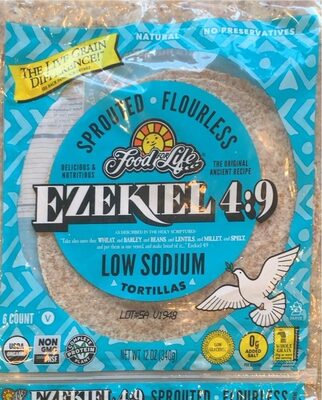
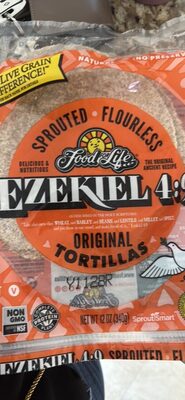
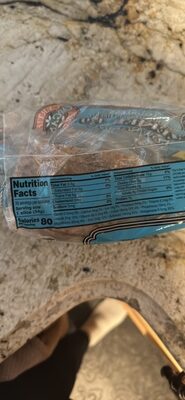
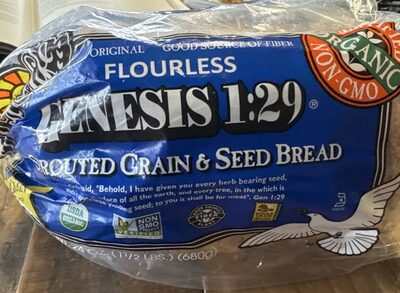
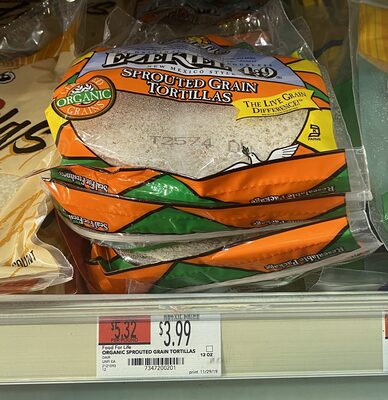 Food For Life
Taco Size Flourless Sprouted Tortillas, Taco Size
246kcal
12.3Protein
3.5Fat
43.9Carbs
Learn more
Auto-generated content. This description was generated automatically and is pending editorial review. Inaccuracies are possible. Found a mistake? Contact us.