Parmesan
What is Parmesan?
Parmesan is a hard, dry cheese made from cow's milk. It originated in Italy and is typically aged for at least 12 months, which gives it a granular texture and a sharp, nutty flavor. The cheese is often sold in blocks or pre-grated.
Is Parmesan vegan?
No. Parmesan is animal-derived, so it is not vegan.
Is Parmesan gluten-free?
It does not contain gluten.
Is Parmesan a major allergen?
Parmesan is derived from milk and is therefore a major allergen.
What is Parmesan used for?
Parmesan is primarily used to add a salty, savory flavor to foods.
Is Parmesan safe?
Parmesan is recognized as safe by the FDA.
Why it's used
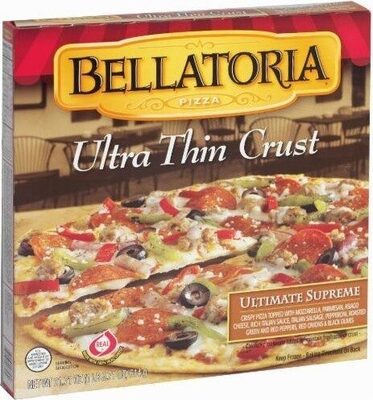
Parmesan is primarily used to add a salty, savory flavor to foods. Manufacturers add it to enhance the taste of pasta dishes, pizzas, soups, and salad dressings. It can also be used as a topping or an ingredient in baked goods.
Health notes
Parmesan is recognized as safe by the FDA. It is a natural ingredient and not an additive that requires specific regulation as such. While rich in calcium and protein, it is also high in sodium and saturated fat, so moderation is advised as part of a balanced diet. The WHO/IARC has not classified Parmesan.
Allergen info
Parmesan is derived from milk and is therefore a major allergen. It does not contain gluten.
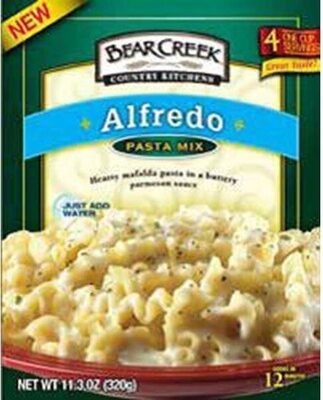
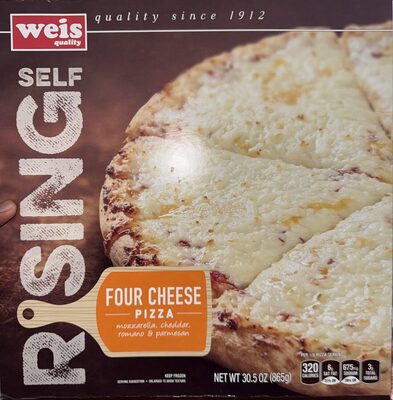
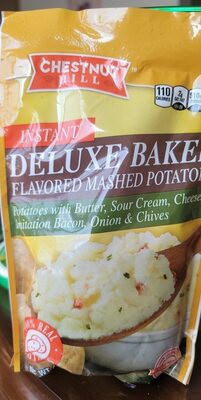
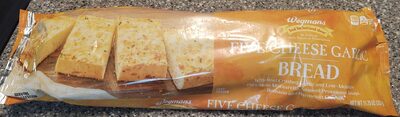
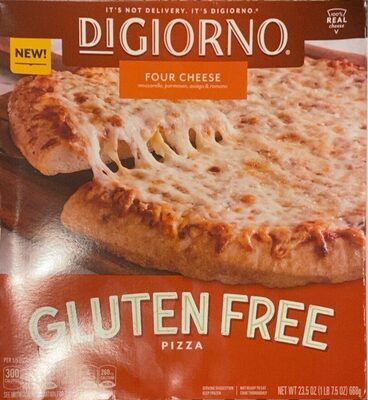
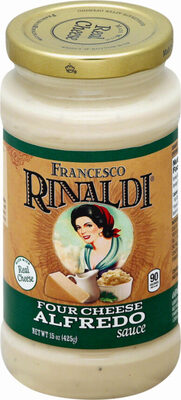
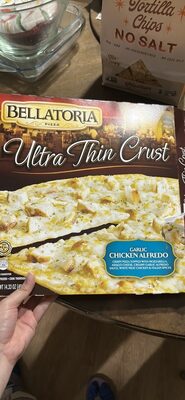
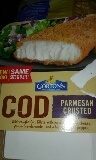
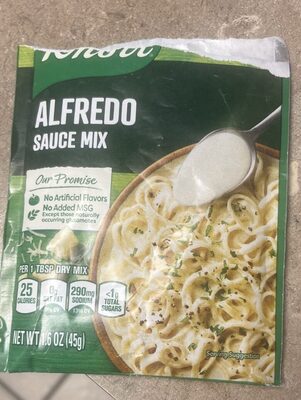
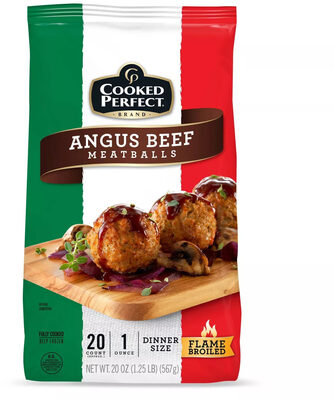
Foods that contain Parmesan
Compare products →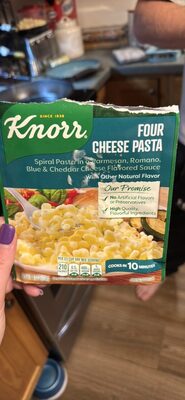
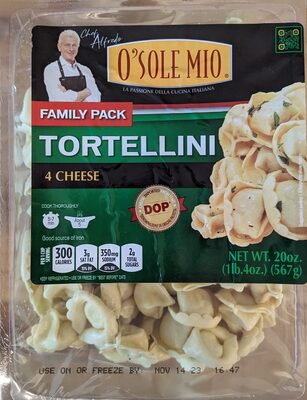
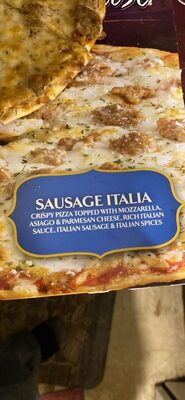



Learn more
Auto-generated content. This description was generated automatically and is pending editorial review. Inaccuracies are possible. Found a mistake? Contact us.