Salvia Hispanica
Auto-generated content. This description was generated automatically and is pending editorial review. Inaccuracies are possible. Found a mistake? Contact us.
What it is
Chia is a tiny, oval-shaped seed that comes from the Salvia hispanica plant, native to Mexico and Guatemala. The seeds are typically consumed whole and are not usually processed beyond cleaning and drying.
Why it's used
Manufacturers add chia seeds for their nutritional value and texture. They are often found in breakfast cereals, granola bars, baked goods, and as a topping for yogurt and salads, adding a slight crunch and thickening properties when hydrated.
Health notes
Chia seeds are Generally Recognized As Safe (GRAS) by the FDA. They are a good source of fiber, omega-3 fatty acids, and protein. While generally considered healthy, consuming very large amounts of fiber can lead to digestive discomfort. International bodies like EFSA have evaluated chia seeds, and JECFA has evaluated chia seed oil.
Allergen info
Chia seeds are not one of the nine major allergens identified by the FDA. They do not contain gluten.
Products containing Salvia Hispanica
Compare products →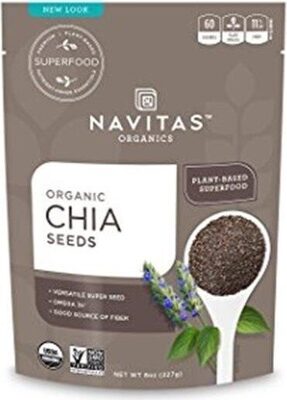 PRANA
Whole Black Chia
500kcal
16.7Protein
30Fat
43.3Carbs
PRANA
Whole Black Chia
500kcal
16.7Protein
30Fat
43.3Carbs
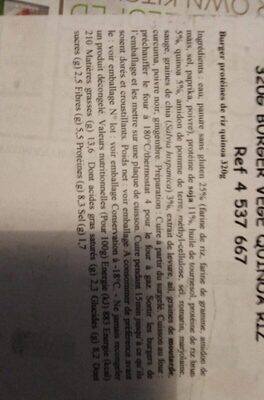 FRY GROUP FOODS (PTY) LTD
Quinoa & Brown Rice Protein Burgers, Quinoa & Brown Rice
High in sodium — 21% DV per serving
240kcal
12.9Protein
15.2Fat
13.8Carbs
FRY GROUP FOODS (PTY) LTD
Quinoa & Brown Rice Protein Burgers, Quinoa & Brown Rice
High in sodium — 21% DV per serving
240kcal
12.9Protein
15.2Fat
13.8Carbs
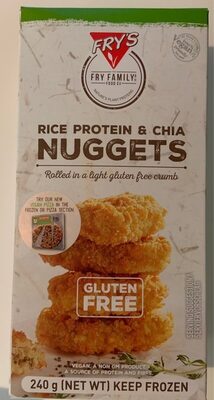 FRY GROUP FOODS
Rice Protein & Chia Nuggets Rolled Into A Light Gluten Free Crumb, Rice Protein & Chia
High in sodium — 30% DV per serving
367kcal
13.5Protein
24Fat
20Carbs
Global Juices and Fruits, LLC
Earthly Choice, Chia Goodness, Superfood Cereal, Chocolate Almond, Chocolate Almond
433kcal
16.7Protein
23.3Fat
46.7Carbs
FRY GROUP FOODS
Rice Protein & Chia Nuggets Rolled Into A Light Gluten Free Crumb, Rice Protein & Chia
High in sodium — 30% DV per serving
367kcal
13.5Protein
24Fat
20Carbs
Global Juices and Fruits, LLC
Earthly Choice, Chia Goodness, Superfood Cereal, Chocolate Almond, Chocolate Almond
433kcal
16.7Protein
23.3Fat
46.7Carbs
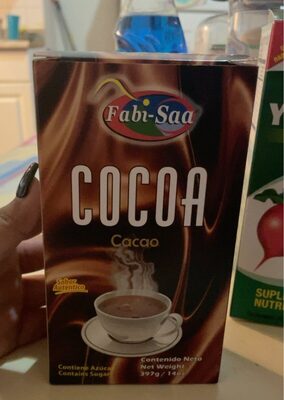 Lenox Corporation
Fabi-Saa, Black Chia Seeds
496kcal
15.7Protein
31.1Fat
44.3Carbs
Navitas, LLC
Organic Chia Powder
500kcal
25Protein
25Fat
41.7Carbs
Straw Propeller Gourmet Foods, LLC
Gourmet Oatmeal, Cherry & Chia
274kcal
10.7Protein
4.8Fat
57.1Carbs
Global Juices and Fruits, LLC
Chia Goodness
467kcal
20Protein
26.7Fat
46.7Carbs
Global Juices and Fruits, LLC
Earthly Choice, Chia Goodness, Apple Almond Cnnamon
433kcal
13.3Protein
20Fat
53.3Carbs
Lenox Corporation
Fabi-Saa, Black Chia Seeds
496kcal
15.7Protein
31.1Fat
44.3Carbs
Navitas, LLC
Organic Chia Powder
500kcal
25Protein
25Fat
41.7Carbs
Straw Propeller Gourmet Foods, LLC
Gourmet Oatmeal, Cherry & Chia
274kcal
10.7Protein
4.8Fat
57.1Carbs
Global Juices and Fruits, LLC
Chia Goodness
467kcal
20Protein
26.7Fat
46.7Carbs
Global Juices and Fruits, LLC
Earthly Choice, Chia Goodness, Apple Almond Cnnamon
433kcal
13.3Protein
20Fat
53.3Carbs
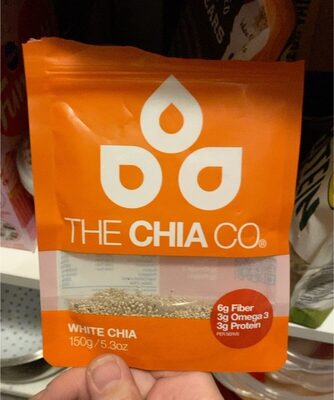 The Chia Company
White Chia
513kcal
20Protein
33.3Fat
46.7Carbs
The Chia Company
White Chia
513kcal
20Protein
33.3Fat
46.7Carbs