Split Peas
What is Split Peas?
Split peas are dried, mature green or yellow peas that have been split into two halves. They are a type of legume, grown from the same plant as garden peas. After harvesting, the peas are dried and then mechanically split.
Is Split Peas vegan?
Split Peas is not animal-derived. Products that contain it can still include other animal-derived ingredients, so check the full ingredient list.
Is Split Peas gluten-free?
They do not contain gluten.
Is Split Peas a major allergen?
Split peas are not one of the FDA's nine major allergens.
What is Split Peas used for?
Split peas are primarily used as a source of protein and fiber in food products.
Is Split Peas safe?
Split peas are a nutrient-dense food, providing fiber, protein, and various vitamins and minerals.
Why it's used
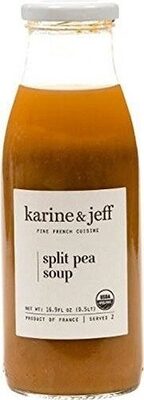
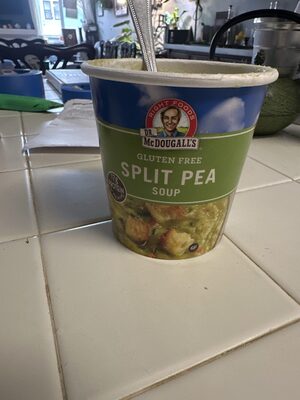
Split peas are primarily used as a source of protein and fiber in food products. They are most commonly found in soups and stews, where they break down to create a thick, hearty texture. They can also be used in dips, purees, and vegetarian dishes.
Health notes
Split peas are a nutrient-dense food, providing fiber, protein, and various vitamins and minerals. The U.S. Food and Drug Administration (FDA) considers them Generally Recognized As Safe (GRAS) for consumption. International bodies like the Joint FAO/WHO Expert Committee on Food Additives (JECFA) and the European Food Safety Authority (EFSA) have evaluated legumes, and they are considered a safe and nutritious food source when consumed as part of a balanced diet.
Allergen info
Split peas are not one of the FDA's nine major allergens. They do not contain gluten.
Foods that contain Split Peas
Compare products →
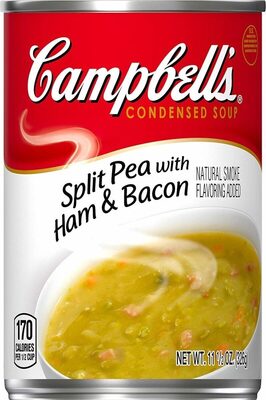
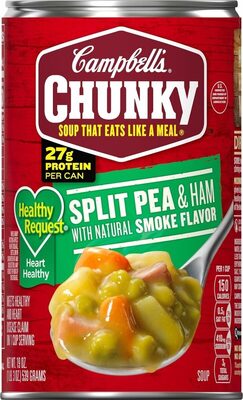
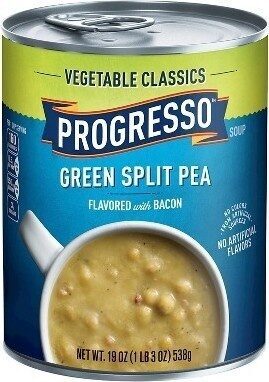
Learn more
Auto-generated content. This description was generated automatically and is pending editorial review. Inaccuracies are possible. Found a mistake? Contact us.