Wheat Farina
What is Wheat Farina?
Wheat farina is a type of semolina made from wheat. It is the coarse, purified cereal germ and inner endosperm of durum wheat, or other hard wheat, after the flour has been removed. It is often used to make hot cereals.
Is Wheat Farina vegan?
Wheat Farina is not animal-derived. Products that contain it can still include other animal-derived ingredients, so check the full ingredient list.
Is Wheat Farina gluten-free?
It naturally contains gluten.
Is Wheat Farina a major allergen?
Wheat farina is derived from wheat, which is one of the 9 major food allergens identified by the FDA.
What is Wheat Farina used for?
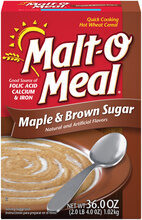
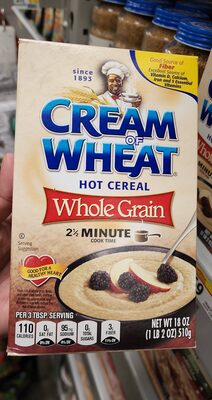
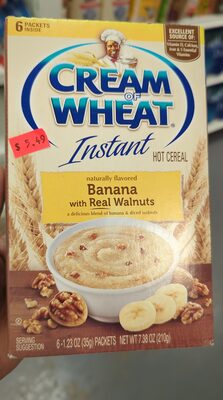
Manufacturers use wheat farina primarily as a base for hot breakfast cereals.
Is Wheat Farina safe?
Wheat farina is generally recognized as safe (GRAS) by the FDA when used as a food ingredient.
Why it's used
Manufacturers use wheat farina primarily as a base for hot breakfast cereals. Its fine texture and mild flavor make it a versatile ingredient that can be flavored in many ways. It is also used in some baked goods and pasta.
Health notes
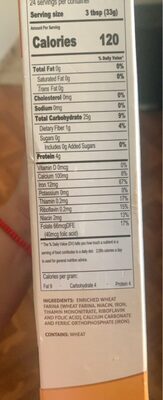
Wheat farina is generally recognized as safe (GRAS) by the FDA when used as a food ingredient. It is a source of carbohydrates and some B vitamins. The Joint FAO/WHO Expert Committee on Food Additives (JECFA) has evaluated wheat farina, and the European Food Safety Authority (EFSA) has also assessed it. Evidence does not suggest adverse health effects from typical consumption.
Allergen info
Wheat farina is derived from wheat, which is one of the 9 major food allergens identified by the FDA. It naturally contains gluten.
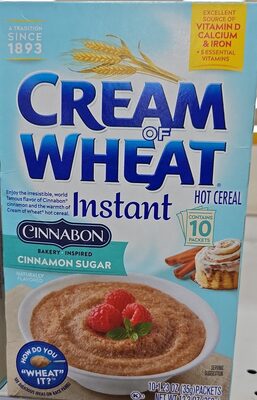
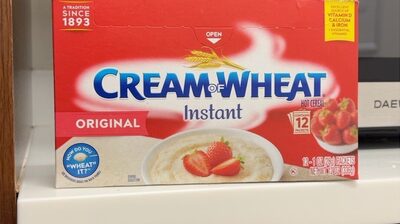
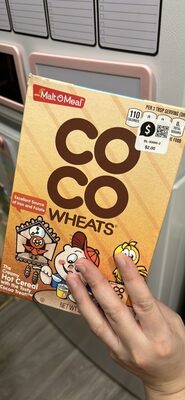
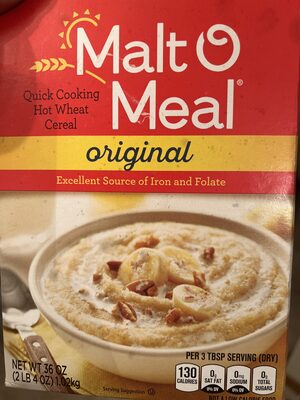
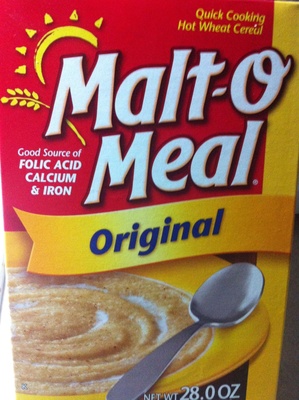
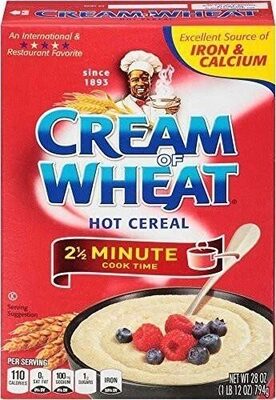
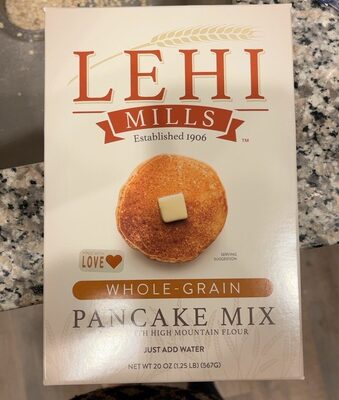
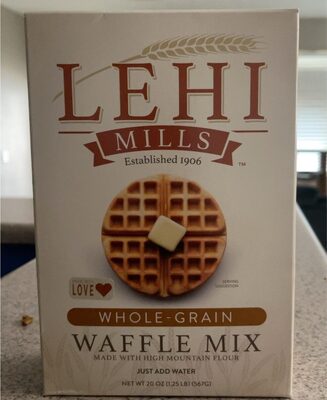
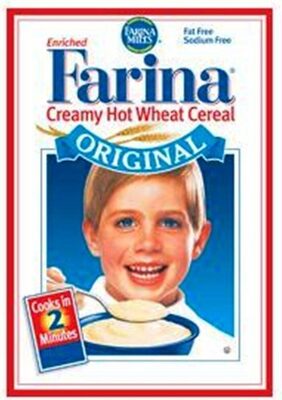
Foods that contain Wheat Farina
Compare products →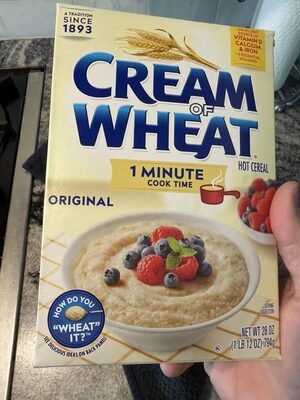

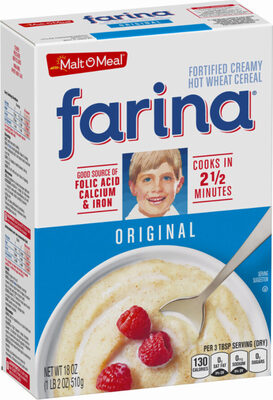
Learn more
Auto-generated content. This description was generated automatically and is pending editorial review. Inaccuracies are possible. Found a mistake? Contact us.