Zinc And Iron
What is Zinc And Iron?
Zinc and iron are essential minerals that the body needs to function properly. They are naturally found in many foods, including meats, seafood, vegetables, and grains. In packaged foods, they are often added as mineral supplements.
Is Zinc And Iron gluten-free?
Gluten is not typically associated with added zinc or iron.
Is Zinc And Iron a major allergen?
Zinc and iron themselves are not major allergens.
What is Zinc And Iron used for?
Manufacturers add zinc and iron to fortify foods, meaning they add them to increase the nutritional value.
Is Zinc And Iron safe?
Zinc and iron are essential nutrients.
Why it's used
Manufacturers add zinc and iron to fortify foods, meaning they add them to increase the nutritional value. This is common in breakfast cereals, cereal bars, and other processed grain products to help consumers meet their daily mineral needs.
Health notes
Zinc and iron are essential nutrients. The U.S. Food and Drug Administration (FDA) considers added vitamins and minerals for food fortification to be safe and effective when used as intended. Both zinc and iron have been evaluated by the Joint FAO/WHO Expert Committee on Food Additives (JECFA) and the European Food Safety Authority (EFSA), which have established guidelines for their use. While adequate intake is crucial, excessive iron intake can be harmful, particularly for children. The U.S. National Academies of Sciences, Engineering, and Medicine have established Tolerable Upper Intake Levels (ULs) for supplemental iron.
Allergen info
Zinc and iron themselves are not major allergens. They are minerals and do not contain protein. Gluten is not typically associated with added zinc or iron.
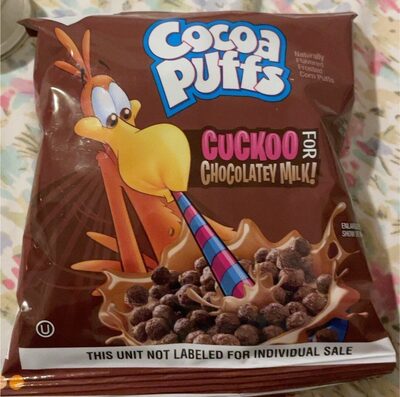
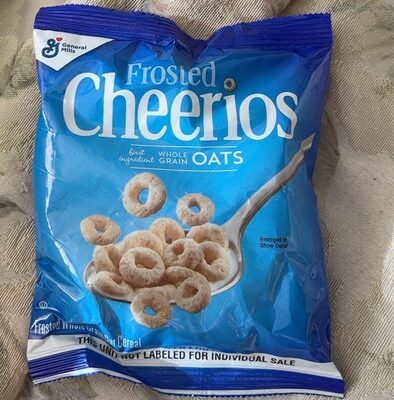
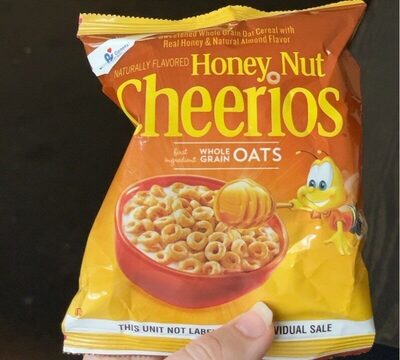
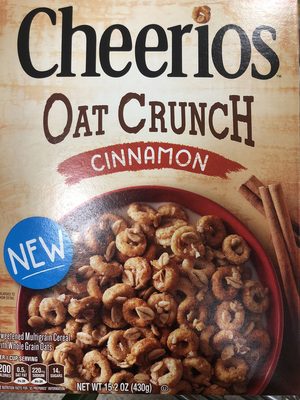
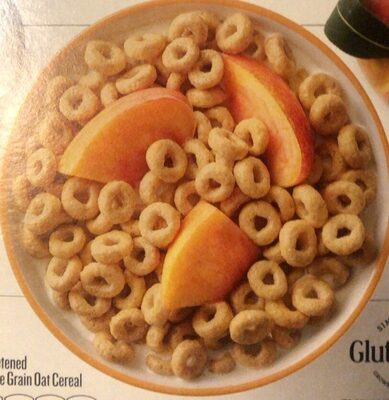
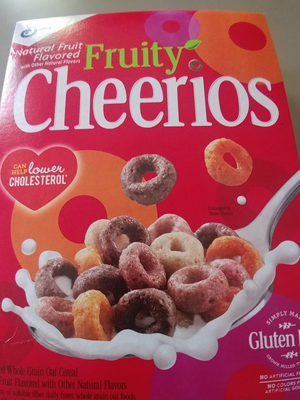
Foods that contain Zinc And Iron
Compare products →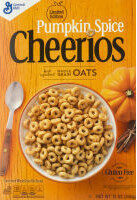
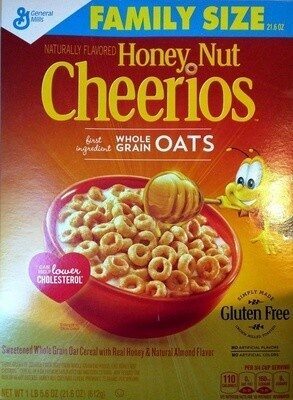
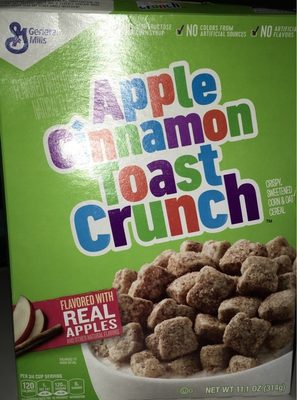
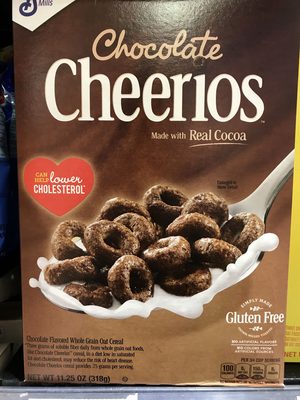
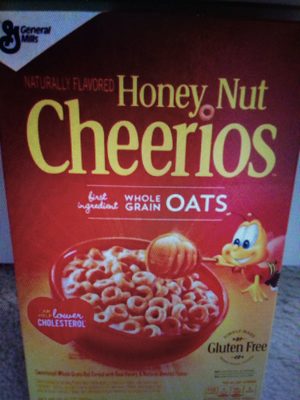
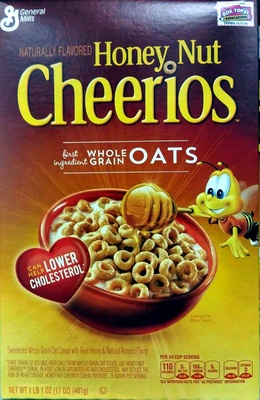
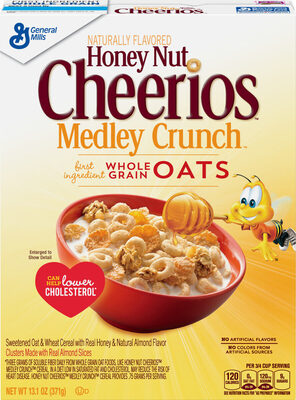

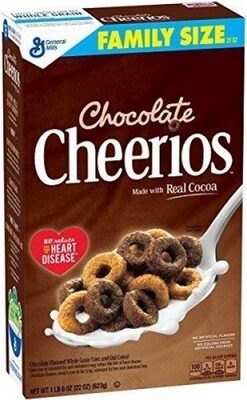

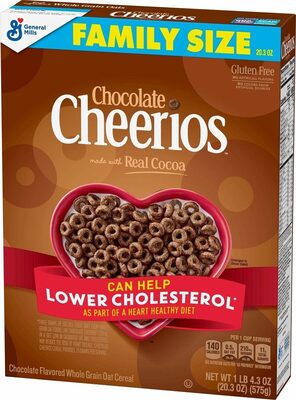
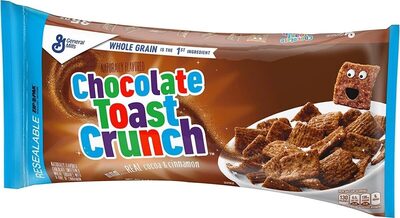
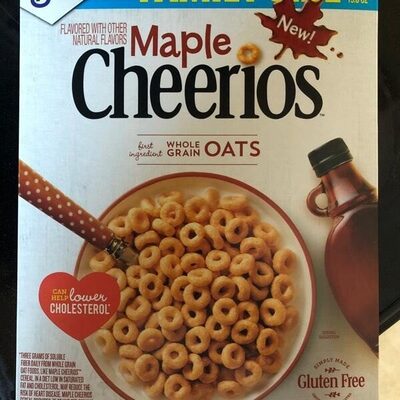
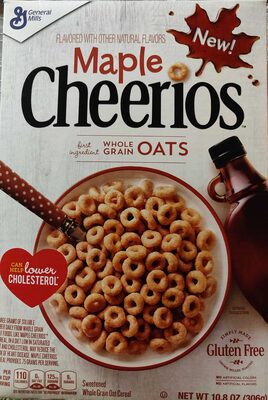
Learn more
Auto-generated content. This description was generated automatically and is pending editorial review. Inaccuracies are possible. Found a mistake? Contact us.