Asiago Cheese Pasteurized Milk
What is Asiago Cheese Pasteurized Milk?
Asiago is a firm, hard Italian cow's milk cheese. It originated in the Veneto region of Italy. The cheese is made from cow's milk and aged for varying periods, which affects its texture and flavor.
Is Asiago Cheese Pasteurized Milk vegan?
No. Asiago Cheese Pasteurized Milk is animal-derived, so it is not vegan.
Is Asiago Cheese Pasteurized Milk gluten-free?
It does not contain gluten.
Is Asiago Cheese Pasteurized Milk a major allergen?
Asiago cheese is derived from milk, which is one of the 9 major allergens identified by the FDA.
What is Asiago Cheese Pasteurized Milk used for?
Asiago cheese is used to add a sharp, nutty flavor to foods.
Is Asiago Cheese Pasteurized Milk safe?
Asiago cheese is a source of protein and calcium.
Why it's used
Asiago cheese is used to add a sharp, nutty flavor to foods. It is often grated and sprinkled over pasta, salads, and soups, or used as a topping for pizzas and garlic bread. Its firm texture also makes it suitable for cheese boards.
Health notes
Asiago cheese is a source of protein and calcium. The FDA considers cheese, including Asiago, to be Generally Recognized As Safe (GRAS). International bodies like JECFA have evaluated cheese and dairy products. Typical consumption as part of a balanced diet is not associated with adverse health effects.
Allergen info
Asiago cheese is derived from milk, which is one of the 9 major allergens identified by the FDA. It does not contain gluten.
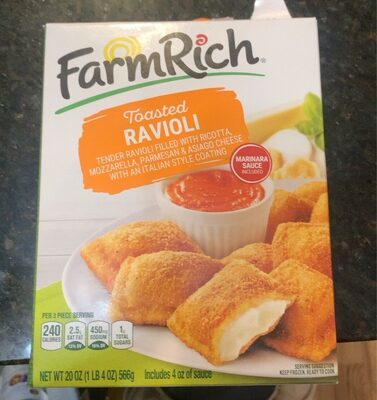
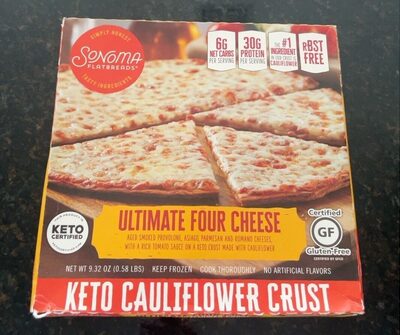
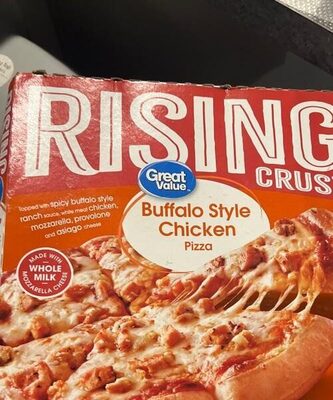
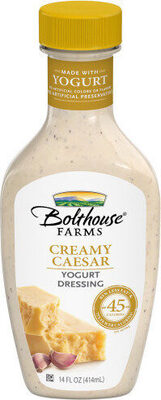
Foods that contain Asiago Cheese Pasteurized Milk
Compare products →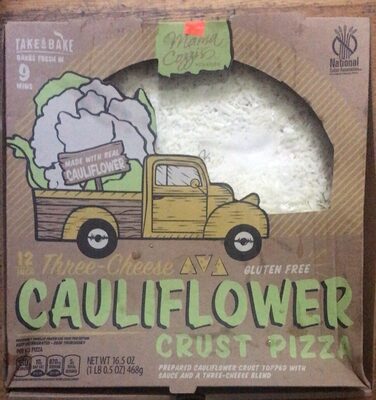

Learn more
Auto-generated content. This description was generated automatically and is pending editorial review. Inaccuracies are possible. Found a mistake? Contact us.