Bran
Auto-generated content. This description was generated automatically and is pending editorial review. Inaccuracies are possible. Found a mistake? Contact us.
What it is
Bran is the outer layer of the wheat kernel, separated during the milling process. It is a good source of dietary fiber, vitamins, and minerals. It is often used as a whole grain ingredient in processed foods.
Why it's used
Manufacturers add bran to foods for its nutritional value and texture. It is commonly found in baked goods like breads, muffins, and cereals, where it contributes fiber and a slightly nutty flavor. It can also be used to add texture and bulk to other processed foods.
Health notes
Bran is generally recognized as safe (GRAS) by the FDA when used as a food ingredient. It is a significant source of dietary fiber, which is associated with digestive health. Regulatory bodies like JECFA and EFSA have evaluated fiber sources, recognizing their role in a healthy diet. High fiber intake can help with satiety and may play a role in managing blood sugar levels.
Allergen info
Bran is derived from wheat, which is one of the 9 FDA major allergens. It contains gluten.
Products containing Bran
Compare products →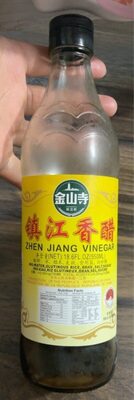 HI-GRADE FOODS, INC.
Hi-Grade Foods, Zhen Jiang Vinegar
33kcal
6.7Protein
0Fat
3Carbs
TARGET
Harvest Grain Loaf
286kcal
8.9Protein
4.5Fat
53.6Carbs
HI-GRADE FOODS, INC.
Hi-Grade Foods, Zhen Jiang Vinegar
33kcal
6.7Protein
0Fat
3Carbs
TARGET
Harvest Grain Loaf
286kcal
8.9Protein
4.5Fat
53.6Carbs
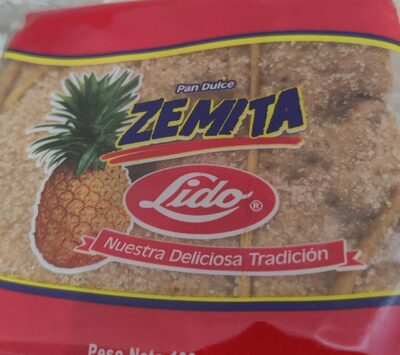 LIDO
Zemita
High in added sugars — 40% DV per serving
380kcal
5Protein
16Fat
55Carbs
Associated Food Stores, Inc.
Oat & Fiber Bread
244kcal
11.1Protein
3.3Fat
53.3Carbs
Cole's Quality Foods, Inc.
Bread, Cranberry
259kcal
6.9Protein
4.3Fat
46.5Carbs
GS1 Mexico
Pineapple Pastry Treat
379kcal
3.0Protein
21.2Fat
45.5Carbs
Lepage Bakeries, Inc.
Double Fiber 100% Whole Wheat Whole Grain Bread, Double Fiber 100% Whole Wheat
163kcal
9.3Protein
0Fat
41.9Carbs
Cole's Quality Foods, Inc.
Bread, Cinnamon
241kcal
8.6Protein
5.2Fat
44.8Carbs
Cole's Quality Foods, Inc.
Bread, Berry
259kcal
6.9Protein
4.3Fat
46.5Carbs
Cole's Quality Foods, Inc.
Banana Walnut Bread, Banana Walnut
259kcal
6.9Protein
6.0Fat
43.1Carbs
LIDO
Zemita
High in added sugars — 40% DV per serving
380kcal
5Protein
16Fat
55Carbs
Associated Food Stores, Inc.
Oat & Fiber Bread
244kcal
11.1Protein
3.3Fat
53.3Carbs
Cole's Quality Foods, Inc.
Bread, Cranberry
259kcal
6.9Protein
4.3Fat
46.5Carbs
GS1 Mexico
Pineapple Pastry Treat
379kcal
3.0Protein
21.2Fat
45.5Carbs
Lepage Bakeries, Inc.
Double Fiber 100% Whole Wheat Whole Grain Bread, Double Fiber 100% Whole Wheat
163kcal
9.3Protein
0Fat
41.9Carbs
Cole's Quality Foods, Inc.
Bread, Cinnamon
241kcal
8.6Protein
5.2Fat
44.8Carbs
Cole's Quality Foods, Inc.
Bread, Berry
259kcal
6.9Protein
4.3Fat
46.5Carbs
Cole's Quality Foods, Inc.
Banana Walnut Bread, Banana Walnut
259kcal
6.9Protein
6.0Fat
43.1Carbs