Bulgur
What is Bulgur?
Bulgur is a whole wheat grain that has been parboiled, dried, and then cracked into smaller pieces. This processing makes it quick to cook and easy to digest. It is typically made from durum wheat.
Is Bulgur vegan?
Bulgur is not animal-derived. Products that contain it can still include other animal-derived ingredients, so check the full ingredient list.
Is Bulgur gluten-free?
Individuals with wheat allergies or celiac disease should avoid bulgur due to its gluten content.
Is Bulgur a major allergen?
Bulgur is derived from wheat, which is one of the nine major food allergens identified by the FDA.
What is Bulgur used for?
Manufacturers add bulgur to products for its chewy texture, nutty flavor, and nutritional benefits, especially its fiber content.
Is Bulgur safe?
Bulgur is a whole grain food ingredient and is generally recognized as safe for consumption.
Why it's used
Manufacturers add bulgur to products for its chewy texture, nutty flavor, and nutritional benefits, especially its fiber content. It is commonly used as a base in grain salads, pilafs, and as an ingredient in vegetarian burgers or other savory dishes.
Health notes
Bulgur is a whole grain food ingredient and is generally recognized as safe for consumption. It is a good source of dietary fiber, which is important for digestive health. As a basic food ingredient, bulgur is not subject to specific evaluations by bodies like JECFA or EFSA, which typically assess food additives. There are no notable controversies regarding its safety at typical intake levels.
Allergen info
Bulgur is derived from wheat, which is one of the nine major food allergens identified by the FDA. Individuals with wheat allergies or celiac disease should avoid bulgur due to its gluten content.
Foods that contain Bulgur
Compare products →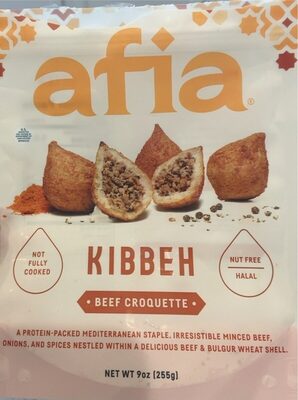
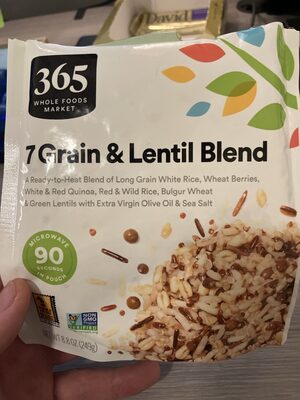
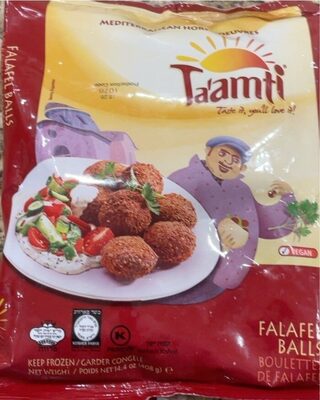


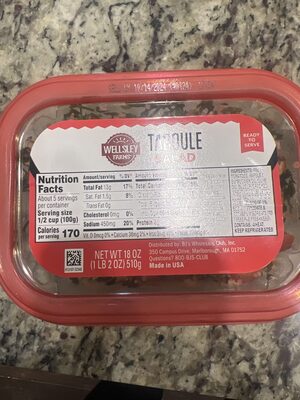


Learn more
Auto-generated content. This description was generated automatically and is pending editorial review. Inaccuracies are possible. Found a mistake? Contact us.