Cod
What is Cod?
Cod is a type of white fish found in cold, deep waters, primarily in the North Atlantic and North Pacific oceans. It is typically caught by commercial fishing vessels and then processed into fillets, steaks, or other cuts for sale. Cod is a lean source of protein and is often sold fresh, frozen, or dried.
Is Cod vegan?
No. Cod is animal-derived, so it is not vegan.
Is Cod a major allergen?
Cod is a fish, which is one of the 9 major allergens recognized by the FDA.
What is Cod used for?
Cod is used as a primary ingredient in many seafood dishes, valued for its mild flavor and flaky texture.
Is Cod safe?
Cod is a nutritious food, providing protein, vitamins, and minerals.
Why it's used
Cod is used as a primary ingredient in many seafood dishes, valued for its mild flavor and flaky texture. It is commonly found in prepared frozen meals, fish sticks, fish and chips, and canned fish products. Manufacturers use it because it is a popular and versatile protein source.
Health notes
Cod is a nutritious food, providing protein, vitamins, and minerals. It is a source of omega-3 fatty acids, which are beneficial for heart health. Regulatory bodies like the FDA do not typically evaluate whole foods like cod as additives. However, concerns about mercury levels in some fish can apply to cod, though it is generally considered lower in mercury than larger predatory fish.
Allergen info
Cod is a fish, which is one of the 9 major allergens recognized by the FDA. Individuals with a fish allergy should avoid consuming cod.
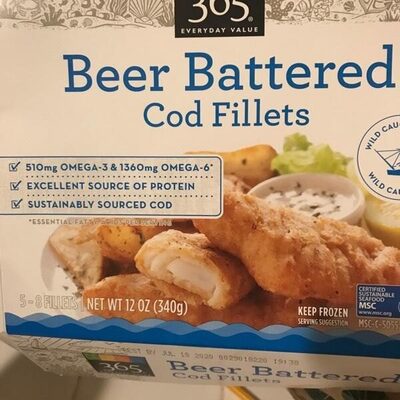
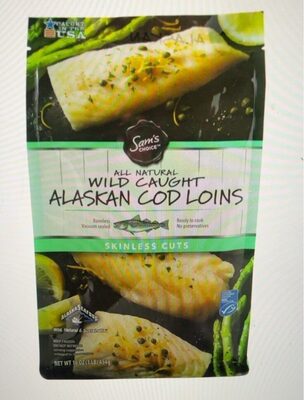
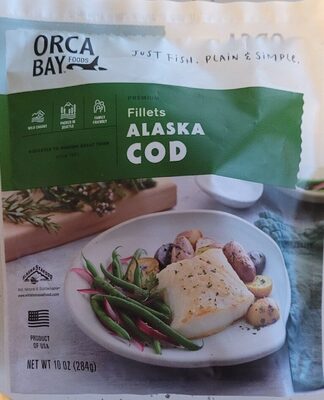
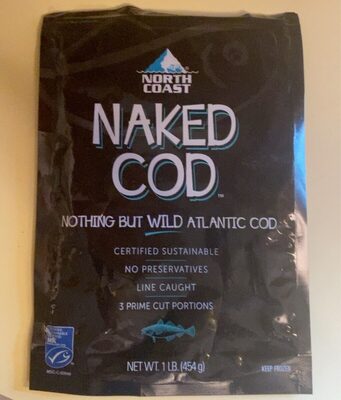
Foods that contain Cod
Compare products →
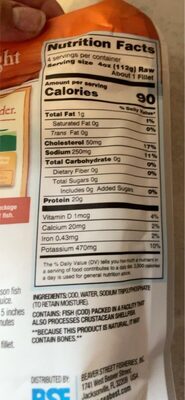
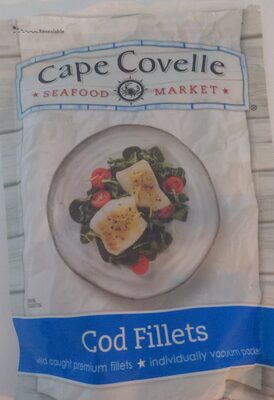
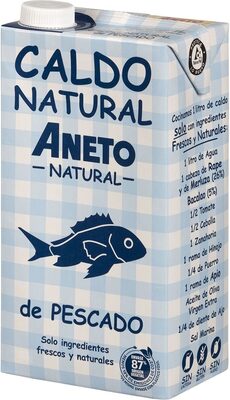
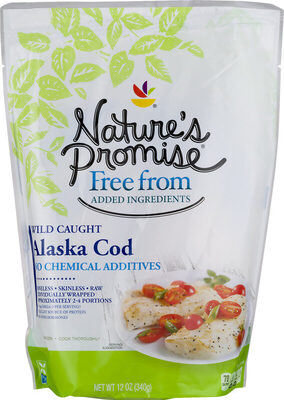











Learn more
Auto-generated content. This description was generated automatically and is pending editorial review. Inaccuracies are possible. Found a mistake? Contact us.