Dark Rye Flour
What is Dark Rye Flour?
Dark rye flour is made from the whole rye grain, including the bran and germ. It has a darker color and a stronger, earthier flavor than lighter rye flours. It is commonly used in baking, particularly for breads.
Is Dark Rye Flour vegan?
Dark Rye Flour is not animal-derived. Products that contain it can still include other animal-derived ingredients, so check the full ingredient list.
Is Dark Rye Flour gluten-free?
Rye is a grain and contains gluten.
What is Dark Rye Flour used for?
Manufacturers use dark rye flour to add a distinct flavor, color, and texture to baked goods.
Is Dark Rye Flour safe?
Dark rye flour is a whole grain and a source of dietary fiber, vitamins, and minerals.
Why it's used
Manufacturers use dark rye flour to add a distinct flavor, color, and texture to baked goods. It contributes to a denser crumb and a richer taste. It is a key ingredient in traditional rye breads and can also be found in some cookies and crackers.
Health notes
Dark rye flour is a whole grain and a source of dietary fiber, vitamins, and minerals. The FDA considers whole grains like rye to be part of a healthy dietary pattern. Regulatory bodies like JECFA have evaluated rye and its components, but no specific numeric limits are typically set for whole grains in this context. Evidence generally supports the health benefits of whole grains as part of a balanced diet.
Allergen info
Rye is a grain and contains gluten. Wheat is one of the 9 major allergens, but rye is not. Individuals with celiac disease or gluten sensitivity should avoid rye.
Foods that contain Dark Rye Flour
Compare products →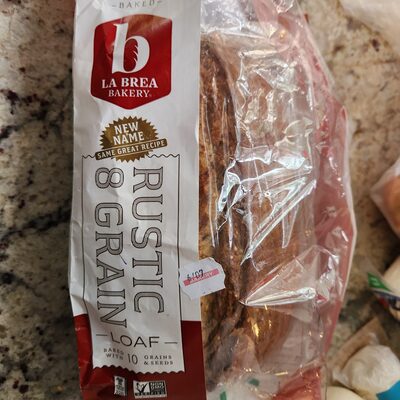
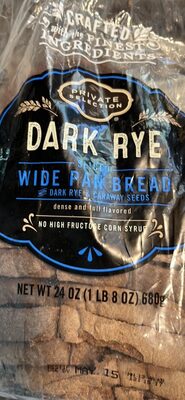
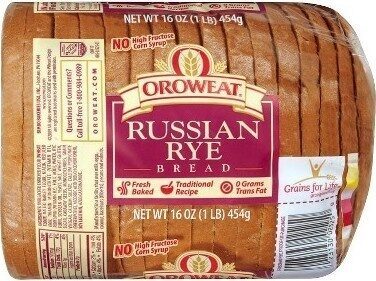
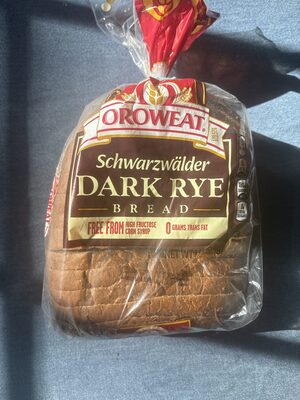
Learn more
Auto-generated content. This description was generated automatically and is pending editorial review. Inaccuracies are possible. Found a mistake? Contact us.