Dough Conditioner
What is Dough Conditioner?
Dough conditioners are mixtures of ingredients added to dough to improve its properties. They can include enzymes, emulsifiers, and oxidizing agents. These ingredients work together to strengthen the dough, make it easier to handle, and improve the final baked product.
Is Dough Conditioner a major allergen?
Not a major allergen.
What is Dough Conditioner used for?
Manufacturers add dough conditioners to baked goods to improve dough elasticity, volume, and texture.
Is Dough Conditioner safe?
"Dough conditioner" is a general term for various ingredients, each with its own regulatory status.
Why it's used
Manufacturers add dough conditioners to baked goods to improve dough elasticity, volume, and texture. They also help extend the shelf life of products. They are commonly found in breads, pizza dough, crackers, and other baked items.
Health notes
"Dough conditioner" is a general term for various ingredients, each with its own regulatory status. Common components may include enzymes, emulsifiers, and oxidizing agents. For example, azodicarbonamide (ADA) is an FDA-approved additive in the US, though it is not authorized in the EU. Potassium bromate is another ingredient that may be used; it remains permitted by the FDA, though California will ban it from 2027. JECFA has stated that potassium bromate is not appropriate as a flour treatment agent and did not set an acceptable daily intake. Consumers should check specific product labels for the individual ingredients used in a dough conditioner.
Allergen info
Not a major allergen. However, since dough conditioners are mixtures, some individual components may be derived from major allergens. Consumers should always check the specific ingredient list on the product label for allergen information.
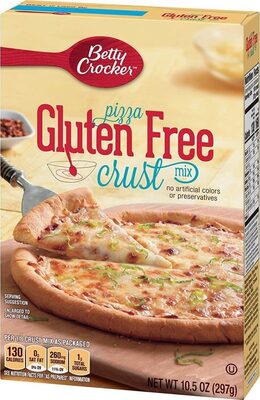
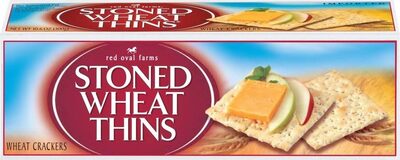
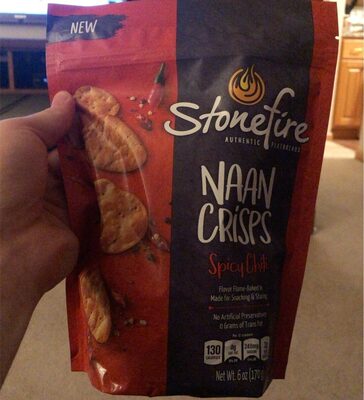
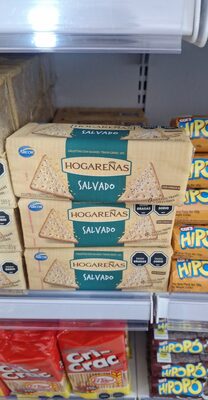
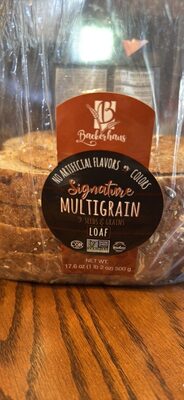
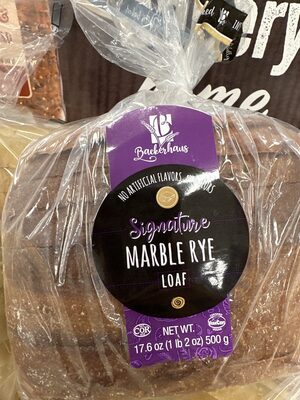
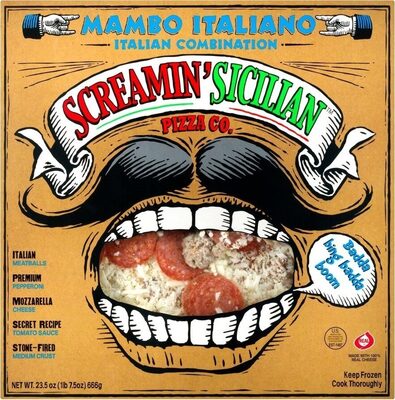
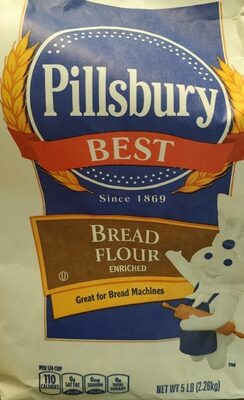
Foods that contain Dough Conditioner
Compare products →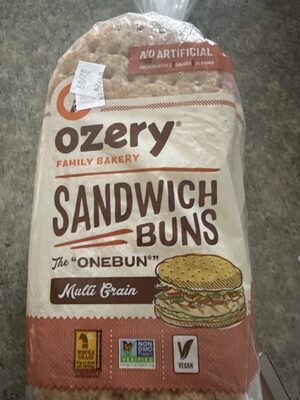
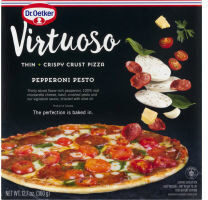
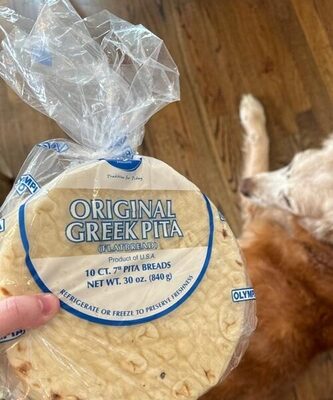

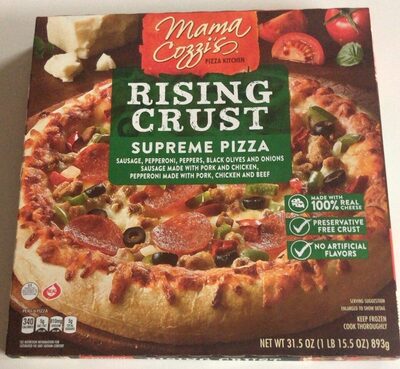






Auto-generated content. This description was generated automatically and is pending editorial review. Inaccuracies are possible. Found a mistake? Contact us.