Dried Sour Cream
What is Dried Sour Cream?
Dried sour cream is a powdered form of sour cream, made by removing the water content from regular sour cream. It is produced by spray-drying or freeze-drying the cultured cream, resulting in a shelf-stable ingredient that retains much of the original flavor and texture when rehydrated.
Is Dried Sour Cream vegan?
No. Dried Sour Cream is animal-derived, so it is not vegan.
Is Dried Sour Cream gluten-free?
It does not contain gluten.
Is Dried Sour Cream a major allergen?
Dried sour cream is derived from milk, which is one of the nine FDA major allergens.
What is Dried Sour Cream used for?
Manufacturers use dried sour cream to add a tangy, creamy flavor and richness to foods without adding extra moisture.
Is Dried Sour Cream safe?
Dried sour cream is generally recognized as safe (GRAS) by the FDA for use in food.
Why it's used
Manufacturers use dried sour cream to add a tangy, creamy flavor and richness to foods without adding extra moisture. It is commonly found in snack foods like chips and pretzels, baked goods, and seasoning mixes.
Health notes
Dried sour cream is generally recognized as safe (GRAS) by the FDA for use in food. It is a source of calcium and protein. International bodies like JECFA have evaluated sour cream and its components. At typical intake levels found in food, it does not pose health concerns.
Allergen info
Dried sour cream is derived from milk, which is one of the nine FDA major allergens. It does not contain gluten.
Foods that contain Dried Sour Cream
Compare products →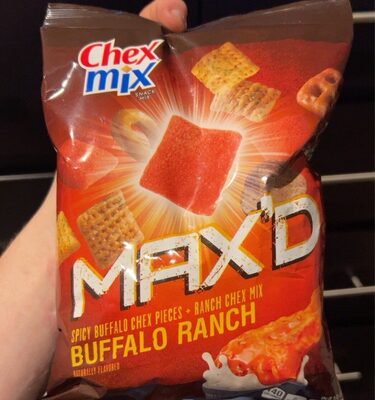
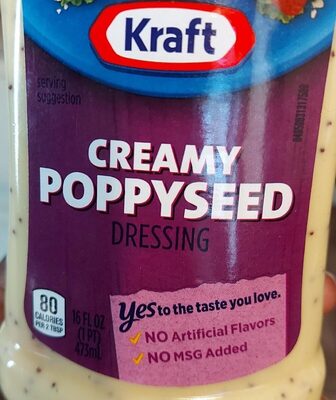
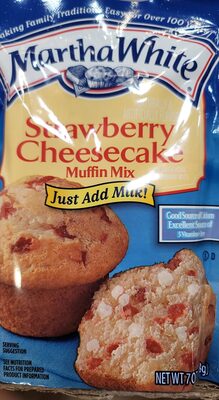
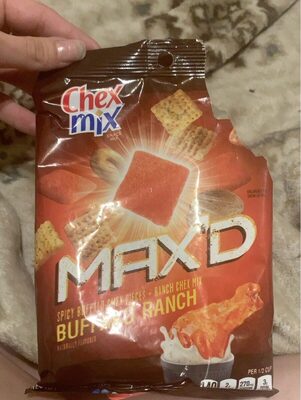
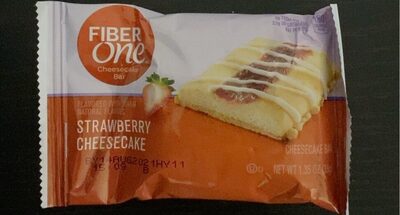
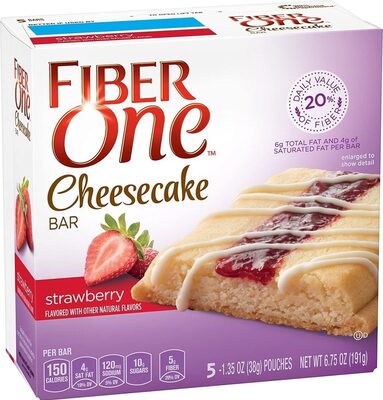
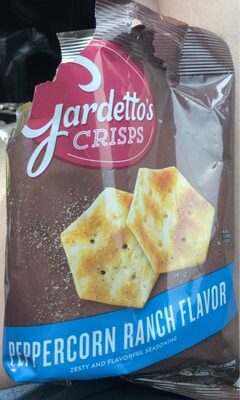
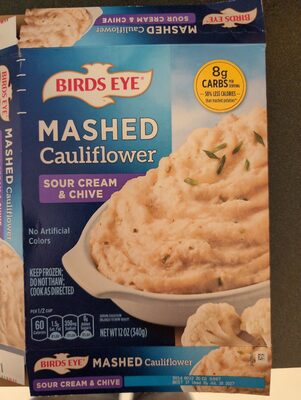
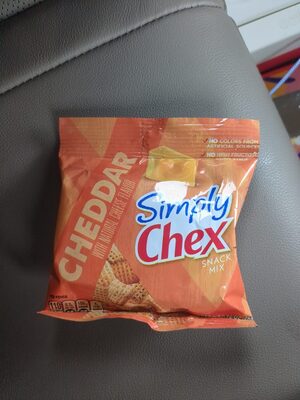
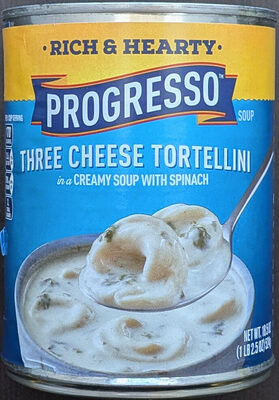
Learn more
Auto-generated content. This description was generated automatically and is pending editorial review. Inaccuracies are possible. Found a mistake? Contact us.