Non-fat Dry Milk Powder
What is Non-fat Dry Milk Powder?
Non-fat dry milk powder is made from cow's milk from which most of the water and fat have been removed. This is typically done through evaporation and spray-drying. The resulting powder is a concentrated source of milk solids.
Is Non-fat Dry Milk Powder vegan?
No. Non-fat Dry Milk Powder is animal-derived, so it is not vegan.
Is Non-fat Dry Milk Powder gluten-free?
It does not contain gluten.
Is Non-fat Dry Milk Powder a major allergen?
Non-fat dry milk powder is derived from milk, which is one of the 9 FDA major allergens.
What is Non-fat Dry Milk Powder used for?
Manufacturers add non-fat dry milk powder to foods for several reasons, including to improve texture, add a milky flavor, and act as a binder.
Is Non-fat Dry Milk Powder safe?
In the US, non-fat dry milk powder is generally recognized as safe (GRAS) by the FDA when used as intended.
Why it's used
Manufacturers add non-fat dry milk powder to foods for several reasons, including to improve texture, add a milky flavor, and act as a binder. It is commonly found in baked goods like bread and biscuits, dairy products, and snack items.
Health notes
In the US, non-fat dry milk powder is generally recognized as safe (GRAS) by the FDA when used as intended. It is a source of protein and calcium. International bodies like JECFA have evaluated milk and milk products. There are no widespread controversies regarding its consumption at typical levels.
Allergen info
Non-fat dry milk powder is derived from milk, which is one of the 9 FDA major allergens. It does not contain gluten.
Foods that contain Non-fat Dry Milk Powder
Compare products →
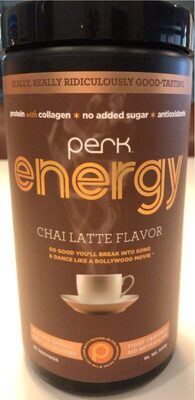 Perk Energy
Chai Latte Flavor Elevate Energy Coffee, Chai Latte
364kcal
31.8Protein
2.3Fat
54.5Carbs
Learn more
Auto-generated content. This description was generated automatically and is pending editorial review. Inaccuracies are possible. Found a mistake? Contact us.