Psyllium Seed Husk
What is Psyllium Seed Husk?
Psyllium seed husk comes from the seeds of the Plantago ovata plant, which is native to India. The outer coating of the seeds is removed and processed to create the husk. It is a source of soluble fiber.
Is Psyllium Seed Husk vegan?
Psyllium Seed Husk is not animal-derived. Products that contain it can still include other animal-derived ingredients, so check the full ingredient list.
Is Psyllium Seed Husk gluten-free?
It does not contain gluten.
Is Psyllium Seed Husk a major allergen?
Psyllium seed husk is not derived from any of the nine major allergens recognized by the FDA.
What is Psyllium Seed Husk used for?
Psyllium seed husk is primarily used as a dietary fiber supplement.
Is Psyllium Seed Husk safe?
Psyllium seed husk is Generally Recognized As Safe (GRAS) by the FDA for use as a dietary fiber.
Why it's used
Psyllium seed husk is primarily used as a dietary fiber supplement. In packaged foods, it can act as a binder and thickener, adding texture and structure. It is often found in baked goods like breads and cereals to increase their fiber content.
Health notes
Psyllium seed husk is Generally Recognized As Safe (GRAS) by the FDA for use as a dietary fiber. It is known to promote digestive regularity and can help lower cholesterol levels when consumed as part of a healthy diet. The Joint FAO/WHO Expert Committee on Food Additives (JECFA) has evaluated psyllium, and the European Food Safety Authority (EFSA) has also assessed its health claims. Evidence supports its use for maintaining normal bowel function.
Allergen info
Psyllium seed husk is not derived from any of the nine major allergens recognized by the FDA. It does not contain gluten.
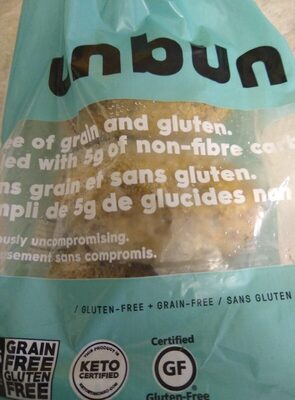
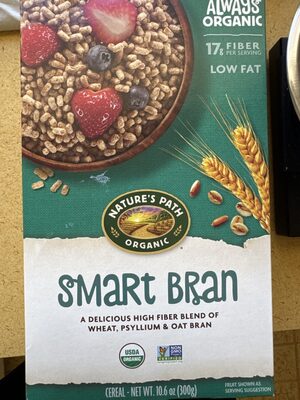
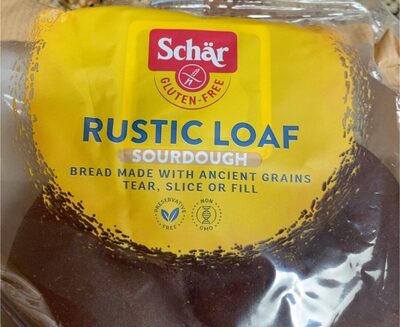
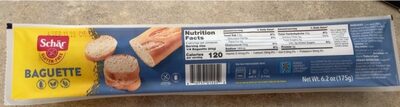
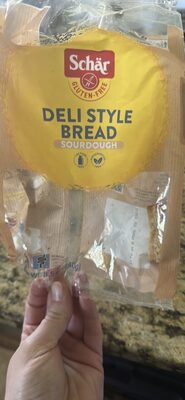
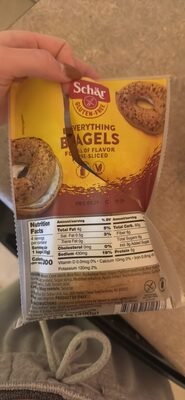
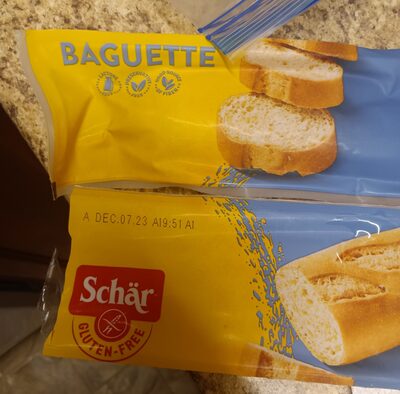
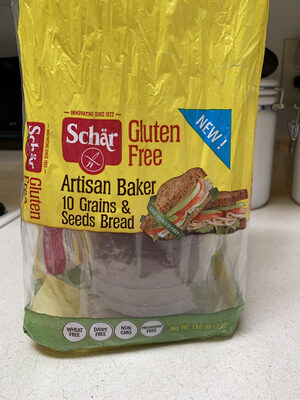
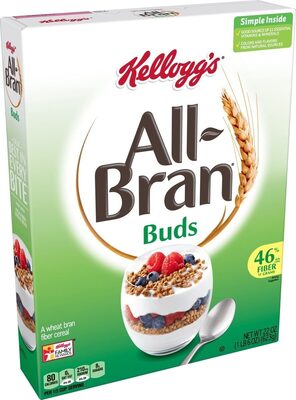
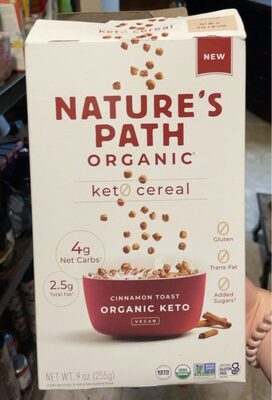
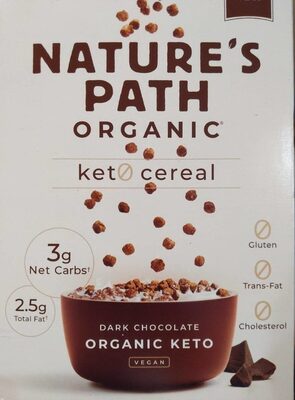
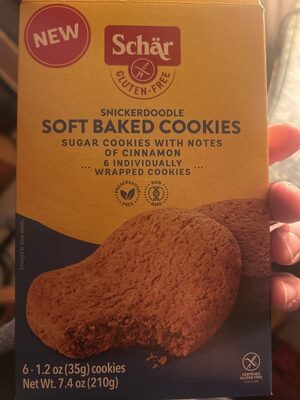
Foods that contain Psyllium Seed Husk
Compare products →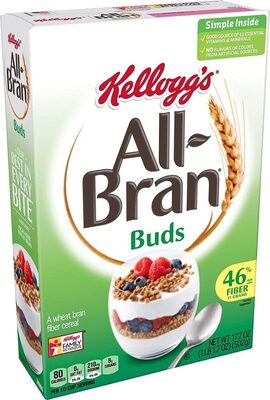
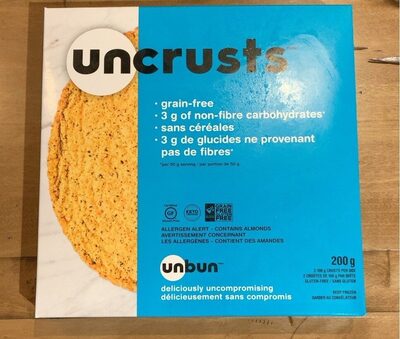
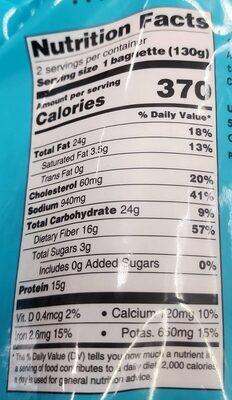
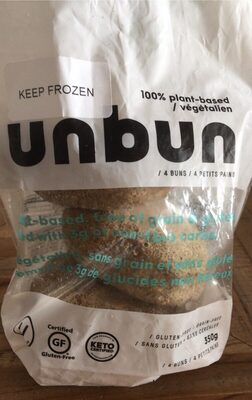

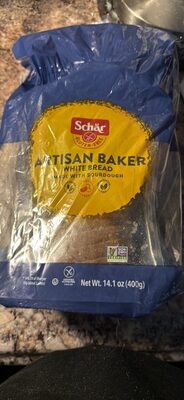
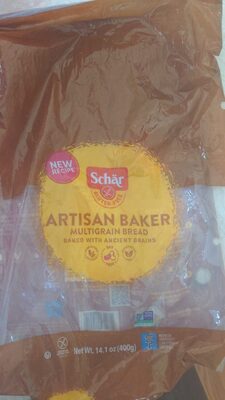
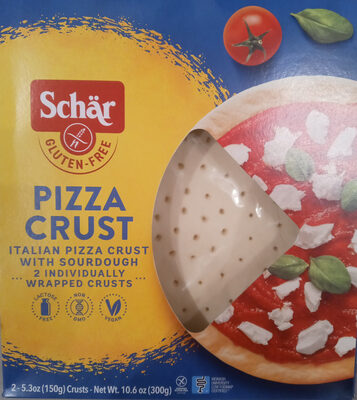
Auto-generated content. This description was generated automatically and is pending editorial review. Inaccuracies are possible. Found a mistake? Contact us.