Whole Grain Flour Blend
Auto-generated content. This description was generated automatically and is pending editorial review. Inaccuracies are possible. Found a mistake? Contact us.
What it is
A blend of flours made from whole grains, meaning the entire kernel—including the bran, germ, and endosperm—is used. This contrasts with refined flours, which have had the bran and germ removed. The specific grains included can vary but often feature wheat, oats, barley, or rye.
Why it's used
Manufacturers use whole grain flour blends to increase the fiber, vitamin, and mineral content of foods. They provide structure and texture in baked goods like bread, cereals, and pasta. The presence of the entire grain kernel contributes a heartier flavor and denser texture compared to refined flours.
Health notes
Whole grain flours are generally recognized as safe (GRAS) by the FDA for use in food. They are a key component of dietary recommendations for increased fiber intake, which is linked to various health benefits. International bodies like JECFA and EFSA have evaluated whole grains and their components, recognizing their role in a healthy diet. While whole grains are considered beneficial, some people may experience digestive discomfort if they rapidly increase their intake.
Allergen info
Whole grain flour blends may contain wheat, which is one of the 9 FDA major allergens. If wheat is an ingredient, it will be listed on the product label. Gluten, found in wheat, barley, and rye, will also be present if these grains are included.
Products containing Whole Grain Flour Blend
Compare products →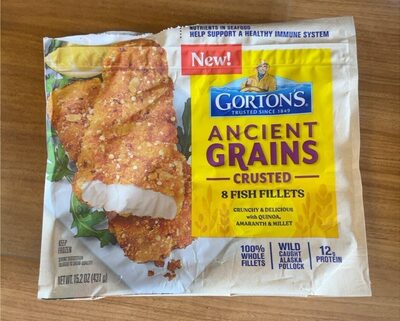 Gorton's of Gloucester
Golden Crusted Fish Fillets, Golden Crusted
High in sodium — 20% DV per serving
232kcal
10.7Protein
11.6Fat
20.5Carbs
Gorton's of Gloucester
Golden Crusted Fish Fillets, Golden Crusted
High in sodium — 20% DV per serving
232kcal
10.7Protein
11.6Fat
20.5Carbs
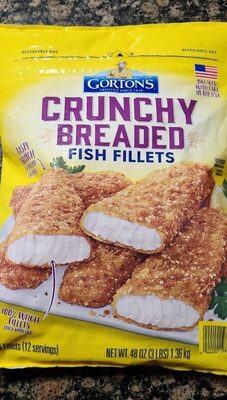 Gorton's of Gloucester
Crunchy Breaded Fish Fillets, Crunchy Breaded
High in sodium — 20% DV per serving
232kcal
10.7Protein
11.6Fat
20.5Carbs
Gorton's of Gloucester
Crunchy Breaded Fish Fillets, Crunchy Breaded
High in sodium — 20% DV per serving
232kcal
10.7Protein
11.6Fat
20.5Carbs