Whole Grain Rye
What is Whole Grain Rye?
Whole grain rye is a type of cereal grain that includes the bran, germ, and endosperm. It is grown in many parts of the world, particularly in Northern and Eastern Europe. Rye is milled into flour for baking or can be used whole in various food products.
Is Whole Grain Rye vegan?
Whole Grain Rye is not animal-derived. Products that contain it can still include other animal-derived ingredients, so check the full ingredient list.
Is Whole Grain Rye gluten-free?
However, rye contains gluten and is not suitable for individuals with celiac disease or non-celiac gluten sensitivity.
Is Whole Grain Rye a major allergen?
Rye is not one of the nine major food allergens recognized by the FDA.
What is Whole Grain Rye used for?
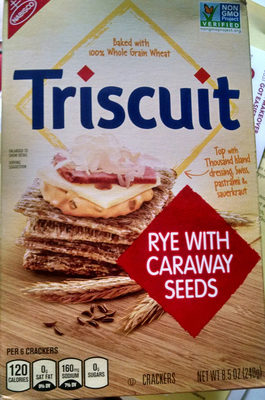
Rye flour is used to make rye bread, crackers, and some cereals.
Is Whole Grain Rye safe?
Whole grain rye is recognized as a source of dietary fiber, vitamins, and minerals.
Why it's used
Rye flour is used to make rye bread, crackers, and some cereals. Whole rye kernels can be added to baked goods for texture and flavor. It is valued for its distinct, slightly sour taste and hearty texture.
Health notes
Whole grain rye is recognized as a source of dietary fiber, vitamins, and minerals. The U.S. Food and Drug Administration (FDA) generally recognizes whole grains like rye as safe (GRAS) when used in food. Dietary guidelines recommend consuming whole grains as part of a healthy diet. International bodies like the European Food Safety Authority (EFSA) have evaluated rye and its components, often in the context of whole grains and fiber.
Allergen info
Rye is not one of the nine major food allergens recognized by the FDA. However, rye contains gluten and is not suitable for individuals with celiac disease or non-celiac gluten sensitivity.
Foods that contain Whole Grain Rye
Compare products →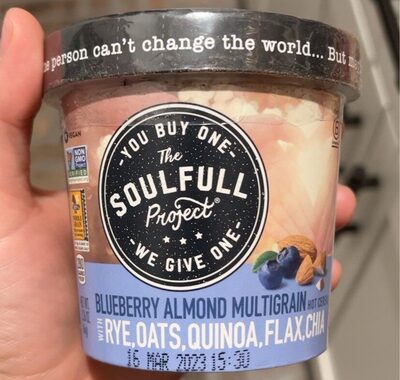
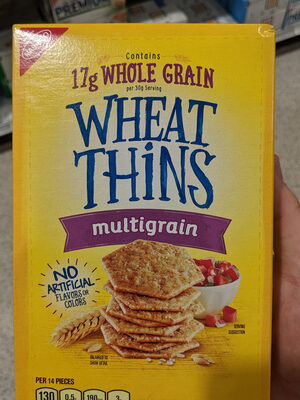
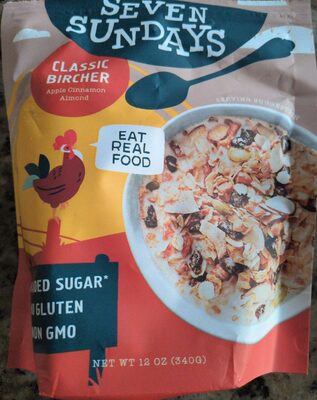
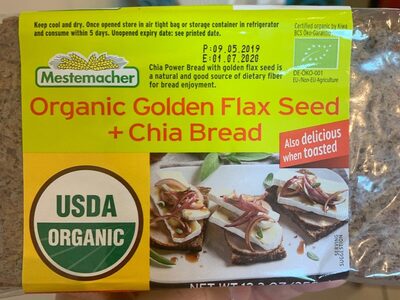
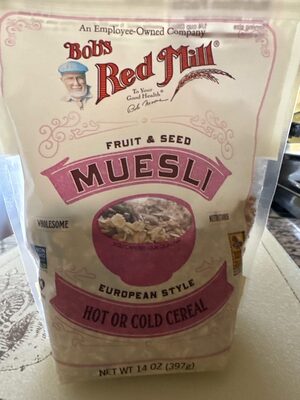
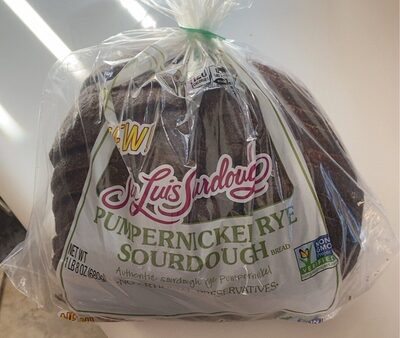
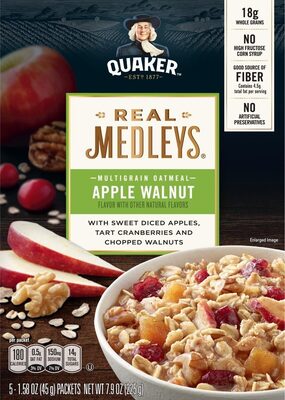
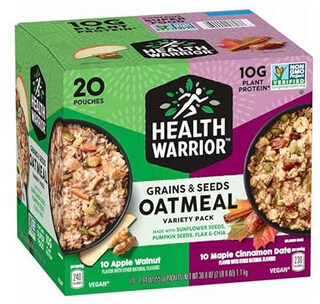
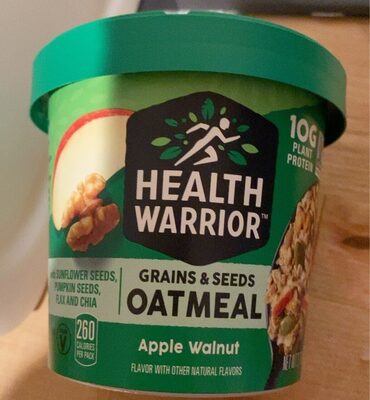 Health Warrior
Apple Walnut Grains & Seeds Oatmeal, Apple Walnut
433kcal
16.7Protein
18.3Fat
55Carbs
Learn more
Auto-generated content. This description was generated automatically and is pending editorial review. Inaccuracies are possible. Found a mistake? Contact us.