Wild
Auto-generated content. This description was generated automatically and is pending editorial review. Inaccuracies are possible. Found a mistake? Contact us.
What it is
Wild refers to food products that are not farmed or cultivated. This includes fish, seafood, and plants harvested from their natural environments. The term implies a natural origin, distinct from commercially grown or raised products.
Why it's used
The term 'wild' is used in marketing to appeal to consumers seeking natural or less processed foods. It is most commonly seen on labels for fish, seafood, and sometimes for mushrooms or berries. It does not indicate a specific function but rather the origin of the ingredient.
Health notes
The FDA does not specifically regulate the term 'wild' as an ingredient itself. However, foods labeled 'wild' are subject to general food safety regulations. Depending on the specific food item (e.g., wild fish), there can be considerations regarding natural contaminants like mercury or microplastics, as highlighted in various scientific reviews. The nutritional profile can vary widely based on the specific wild-harvested item.
Allergen info
Depending on the specific wild-harvested food, it may be a major allergen. For example, wild fish and shellfish are among the 9 FDA major allergens. If the product is wild-harvested plant matter, it is not a major allergen unless cross-contamination occurs.
Products containing Wild
Compare products →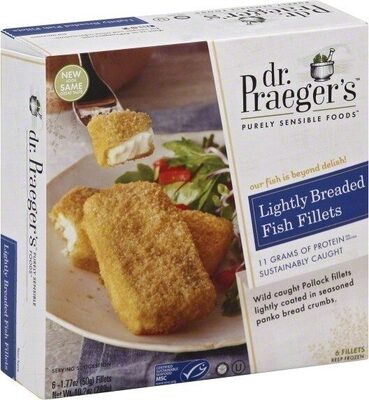 Dr. Praeger's Sensible Foods, Inc.
Lightly Breaded Fish Fillets
200kcal
11Protein
8Fat
19Carbs
Dr. Praeger's Sensible Foods, Inc.
Thai Crusted Fish Sticks
182kcal
10.2Protein
8.0Fat
18.2Carbs
Dr. Praeger's Sensible Foods, Inc.
Lightly Breaded Fishies
227kcal
10.2Protein
11.4Fat
20.4Carbs
Dr. Praeger's Sensible Foods, Inc.
Lightly Breaded Fish Sticks
210kcal
11.1Protein
9.9Fat
19.8Carbs
Thomas Brothers Ham Company
Herring Fillets In Oil
304kcal
16.1Protein
26.8Fat
0Carbs
Dr. Praeger's Sensible Foods, Inc.
Crunchy Breaded Fish Sticks, Crunchy Breaded
238kcal
10Protein
11.2Fat
23.8Carbs
Tai Foong USA, Inc.
Prawn Dumplings
High in sodium — 57% DV per serving
162kcal
5.3Protein
4.0Fat
26.3Carbs
Dr. Praeger's Sensible Foods, Inc.
Lightly Breaded Fish Fillets
200kcal
11Protein
8Fat
19Carbs
Dr. Praeger's Sensible Foods, Inc.
Thai Crusted Fish Sticks
182kcal
10.2Protein
8.0Fat
18.2Carbs
Dr. Praeger's Sensible Foods, Inc.
Lightly Breaded Fishies
227kcal
10.2Protein
11.4Fat
20.4Carbs
Dr. Praeger's Sensible Foods, Inc.
Lightly Breaded Fish Sticks
210kcal
11.1Protein
9.9Fat
19.8Carbs
Thomas Brothers Ham Company
Herring Fillets In Oil
304kcal
16.1Protein
26.8Fat
0Carbs
Dr. Praeger's Sensible Foods, Inc.
Crunchy Breaded Fish Sticks, Crunchy Breaded
238kcal
10Protein
11.2Fat
23.8Carbs
Tai Foong USA, Inc.
Prawn Dumplings
High in sodium — 57% DV per serving
162kcal
5.3Protein
4.0Fat
26.3Carbs