Cracked Triticale
What is Cracked Triticale?
Triticale is a grain that is a hybrid of wheat and rye. It is grown for its nutritional value and is a good source of fiber and protein. Cracked triticale is simply triticale that has been broken into smaller pieces, making it easier to digest and cook.
Is Cracked Triticale vegan?
Cracked Triticale is not animal-derived. Products that contain it can still include other animal-derived ingredients, so check the full ingredient list.
Is Cracked Triticale gluten-free?
Triticale is derived from wheat and rye, both of which contain gluten.
What is Cracked Triticale used for?
Cracked triticale is often used as an ingredient in whole-grain breads, cereals, and baked goods.
Is Cracked Triticale safe?
Triticale is generally recognized as safe (GRAS) by the FDA when used as a food ingredient.
Why it's used
Cracked triticale is often used as an ingredient in whole-grain breads, cereals, and baked goods. Its hearty texture and nutty flavor add depth to these products. It can also be used as a base for porridges or added to soups and stews for extra nutrition.
Health notes
Triticale is generally recognized as safe (GRAS) by the FDA when used as a food ingredient. It is a whole grain and a good source of fiber, which is associated with digestive health. International bodies like JECFA have evaluated grains and their components, but no specific health claims are made for cracked triticale at typical consumption levels. Evidence suggests whole grains contribute to a healthy diet.
Allergen info
Triticale is derived from wheat and rye, both of which contain gluten. Therefore, it is not suitable for individuals with celiac disease or gluten sensitivity. Wheat is one of the FDA's major allergens.
Foods that contain Cracked Triticale
Compare products →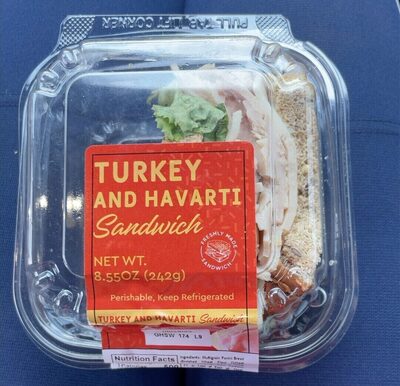
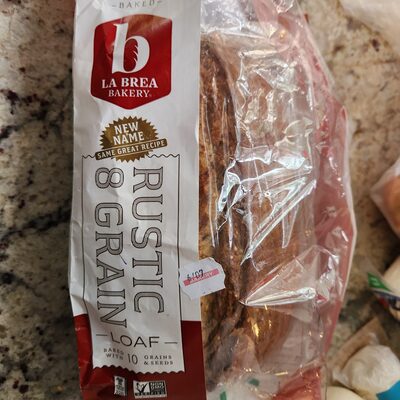
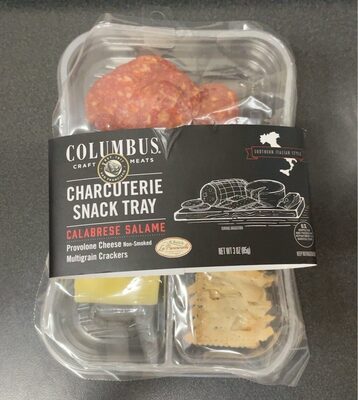
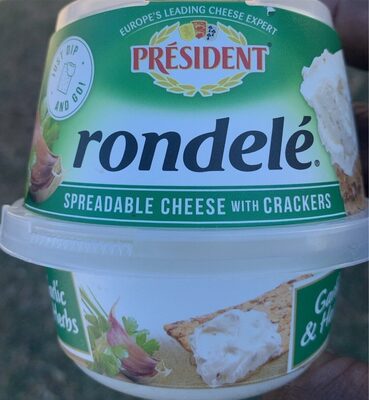
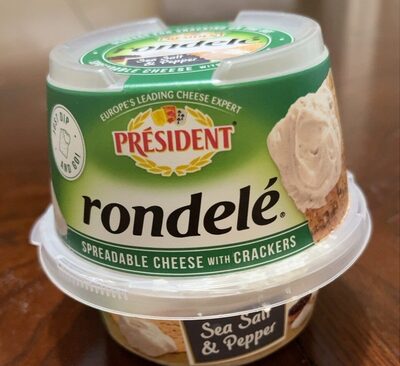
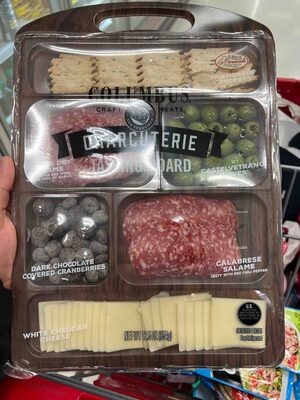
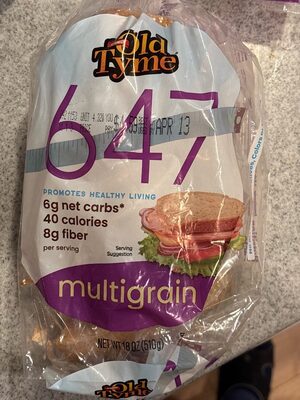
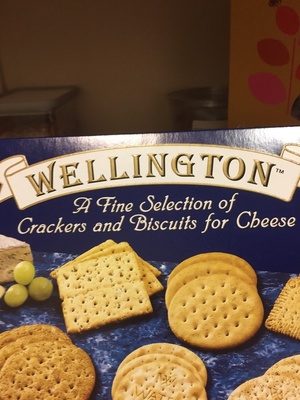
Learn more
Auto-generated content. This description was generated automatically and is pending editorial review. Inaccuracies are possible. Found a mistake? Contact us.