Barley Grits
What is Barley Grits?
Barley grits are coarse-ground pieces of barley grain. Barley is a cereal grain that has been cultivated for thousands of years. The grits are made by milling the hulled barley grain into smaller pieces.
Is Barley Grits vegan?
Barley Grits is not animal-derived. Products that contain it can still include other animal-derived ingredients, so check the full ingredient list.
Is Barley Grits gluten-free?
Barley contains gluten, which is a protein found in wheat, barley, and rye.
What is Barley Grits used for?
Barley grits are often used as a breakfast cereal or as an ingredient in baked goods like breads and crackers.
Is Barley Grits safe?
Barley grits are considered a whole grain and are a source of dietary fiber, vitamins, and minerals.
Why it's used
Barley grits are often used as a breakfast cereal or as an ingredient in baked goods like breads and crackers. They can also be used as a thickener in soups and stews, adding a hearty texture and nutty flavor.
Health notes
Barley grits are considered a whole grain and are a source of dietary fiber, vitamins, and minerals. They are generally recognized as safe (GRAS) by the FDA for use in food. Regulatory bodies like JECFA and EFSA have evaluated barley and its components, recognizing its nutritional value. Consuming whole grains like barley is associated with various health benefits, including improved digestion and reduced risk of certain chronic diseases, as supported by dietary guidelines.
Allergen info
Barley contains gluten, which is a protein found in wheat, barley, and rye. Gluten is not one of the 9 FDA major allergens, but it is a concern for individuals with celiac disease or gluten sensitivity.
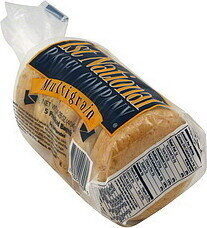
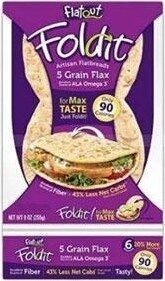
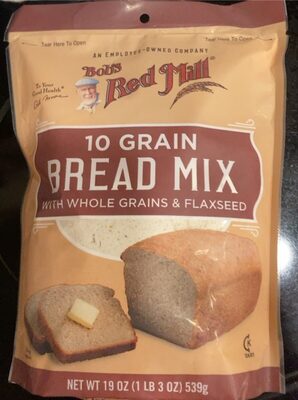
Foods that contain Barley Grits
Compare products →



Learn more
Auto-generated content. This description was generated automatically and is pending editorial review. Inaccuracies are possible. Found a mistake? Contact us.