Cracked Barley
What is Cracked Barley?
Cracked barley is whole barley grain that has been broken into smaller pieces. Barley is a cereal grain grown worldwide, and cracked barley is produced by milling or crushing the whole kernels.
Is Cracked Barley vegan?
Cracked Barley is not animal-derived. Products that contain it can still include other animal-derived ingredients, so check the full ingredient list.
Is Cracked Barley gluten-free?
Barley is a grain that contains gluten.
What is Cracked Barley used for?
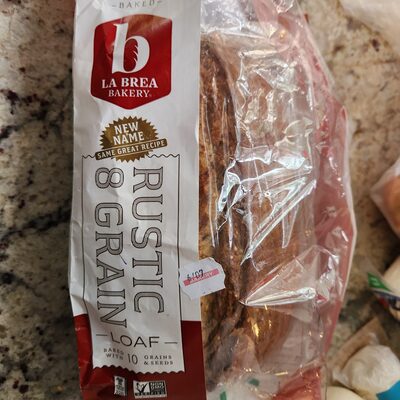
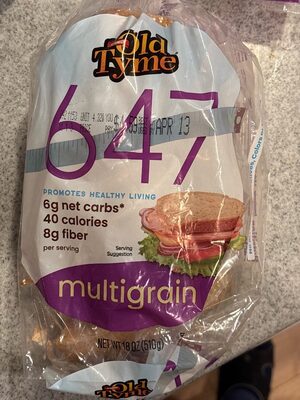
Cracked barley is used as a whole grain ingredient in baked goods like breads and buns, often to add texture and a nutty flavor.
Is Cracked Barley safe?
Cracked barley is a whole grain and a source of dietary fiber.
Why it's used
Cracked barley is used as a whole grain ingredient in baked goods like breads and buns, often to add texture and a nutty flavor. It can also be found in prepared foods such as sandwiches and pizza crusts.
Health notes
Cracked barley is a whole grain and a source of dietary fiber. The U.S. Food and Drug Administration (FDA) considers barley a whole grain. Regulatory bodies like the Joint FAO/WHO Expert Committee on Food Additives (JECFA) and the European Food Safety Authority (EFSA) have evaluated barley and its components. Typical consumption of barley as part of a balanced diet is not associated with adverse health effects.
Allergen info
Barley is a grain that contains gluten. Gluten can cause adverse reactions in people with celiac disease or non-celiac gluten sensitivity.
Foods that contain Cracked Barley
Compare products →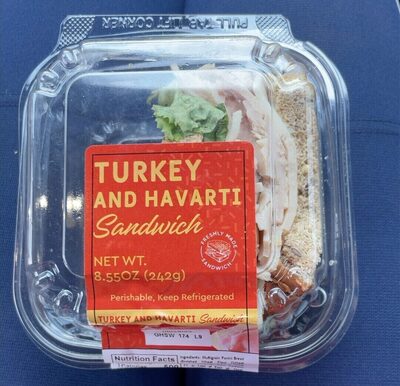
Learn more
Auto-generated content. This description was generated automatically and is pending editorial review. Inaccuracies are possible. Found a mistake? Contact us.