Hydrolyzed
Auto-generated content. This description was generated automatically and is pending editorial review. Inaccuracies are possible. Found a mistake? Contact us.
What it is
Hydrolyzed means that a larger molecule has been broken down into smaller pieces using water. In food, this process is often applied to proteins, like soy or wheat protein, to create smaller protein fragments called peptides. This makes them easier for the body to digest and absorb.
Why it's used
Hydrolyzed proteins are used to enhance savory flavors, acting as a flavor enhancer or umami source. They can also contribute to browning in baked goods and add body to sauces and soups. You'll often find them in processed foods like soups, gravies, snacks, and meat products.
Health notes
Hydrolyzed proteins are generally recognized as safe (GRAS) by the FDA for use in food. They are considered a source of amino acids, which are building blocks for proteins. JECFA has evaluated hydrolyzed proteins and established acceptable daily intakes. Evidence does not suggest adverse health effects at typical consumption levels.
Allergen info
If hydrolyzed from soy or wheat, it is derived from a major allergen. Consumers with allergies to soy or wheat should check product labels carefully. It may contain gluten if derived from wheat.
Products containing Hydrolyzed
Compare products →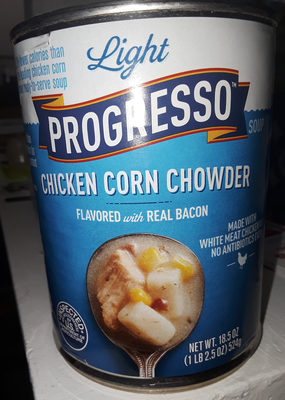 GENERAL MILLS SALES INC.
Progresso Light Chicken Corn Chowder
High in sodium — 27% DV per serving
41kcal
1.6Protein
0.8Fat
6.5Carbs
GENERAL MILLS SALES INC.
Progresso Light Savory Beef Barley Vegetable Soup
High in sodium — 20% DV per serving
29kcal
2.0Protein
0.6Fat
4.5Carbs
GENERAL MILLS SALES INC.
Progresso Rich & Hearty Steak & Roasted Russet Potatoes Soup
High in sodium — 30% DV per serving
49kcal
2.9Protein
0.6Fat
7.3Carbs
GENERAL MILLS SALES INC.
Progresso Light Chicken Corn Chowder
High in sodium — 27% DV per serving
41kcal
1.6Protein
0.8Fat
6.5Carbs
GENERAL MILLS SALES INC.
Progresso Light Savory Beef Barley Vegetable Soup
High in sodium — 20% DV per serving
29kcal
2.0Protein
0.6Fat
4.5Carbs
GENERAL MILLS SALES INC.
Progresso Rich & Hearty Steak & Roasted Russet Potatoes Soup
High in sodium — 30% DV per serving
49kcal
2.9Protein
0.6Fat
7.3Carbs