Palm Oil & Coconut Oil
What is Palm Oil & Coconut Oil?
Palm oil is a vegetable oil extracted from the fruit of the oil palm tree, while coconut oil is extracted from the meat of mature coconuts. Both are tropical oils that are solid or semi-solid at room temperature. They are obtained through pressing or solvent extraction methods.
Is Palm Oil & Coconut Oil vegan?
Palm Oil & Coconut Oil is not animal-derived. Products that contain it can still include other animal-derived ingredients, so check the full ingredient list.
Is Palm Oil & Coconut Oil a major allergen?
Not a major allergen.
What is Palm Oil & Coconut Oil used for?
These oils are widely used in the food industry for cooking, frying, and as ingredients in various processed foods.
Is Palm Oil & Coconut Oil safe?
Both palm oil and coconut oil are generally recognized as safe (GRAS) by the FDA for their intended uses.
Why it's used
These oils are widely used in the food industry for cooking, frying, and as ingredients in various processed foods. They contribute to texture, mouthfeel, and can extend shelf life due to their stability. Common applications include baked goods, snacks, confectionery, and plant-based dairy alternatives.
Health notes
Both palm oil and coconut oil are generally recognized as safe (GRAS) by the FDA for their intended uses. They are notable for their high saturated fat content. The 2025-2030 Dietary Guidelines for Americans recommend limiting saturated fat intake to less than 10% of daily calories. JECFA has evaluated both palm oil and coconut oil as food components and did not set a numeric limit (ADI not specified); EFSA has also evaluated them. There is ongoing scientific discussion about the specific health effects of different types of saturated fats found in these oils.
Allergen info
Not a major allergen.
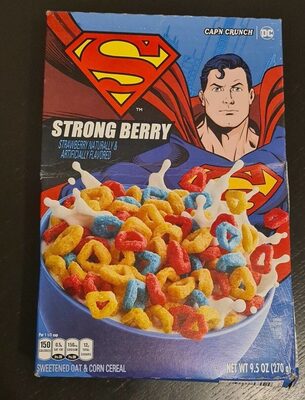
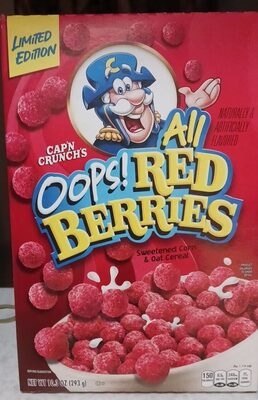
Foods that contain Palm Oil & Coconut Oil
Compare products →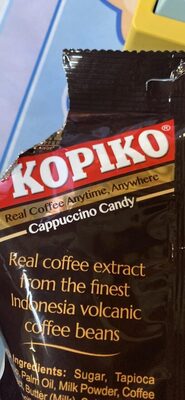
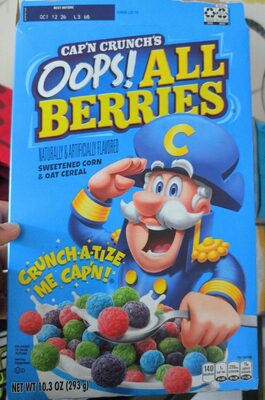

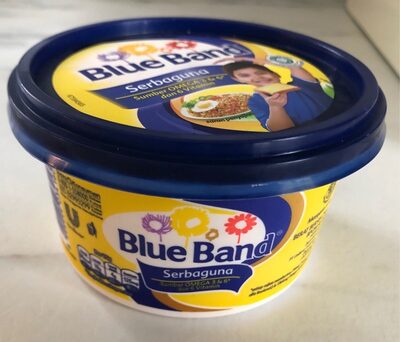
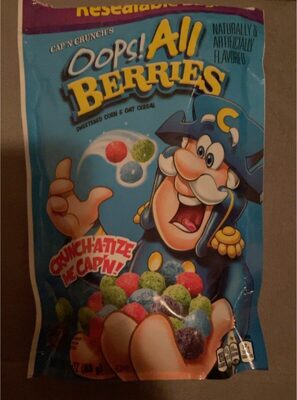
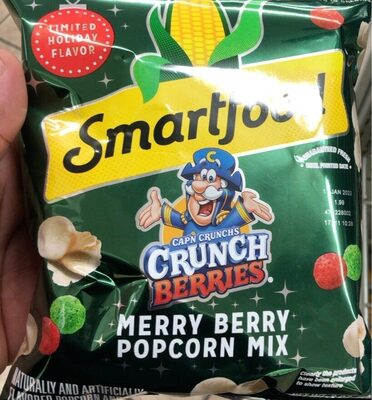
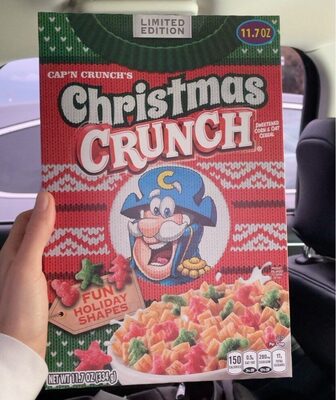
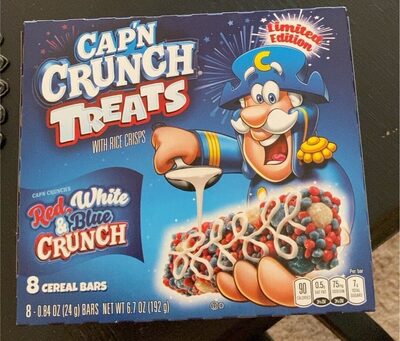
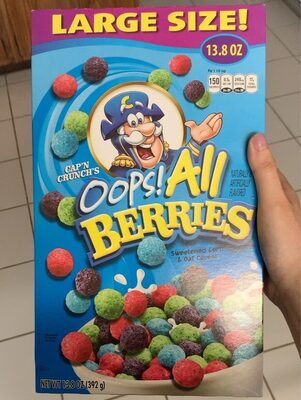

Learn more
Auto-generated content. This description was generated automatically and is pending editorial review. Inaccuracies are possible. Found a mistake? Contact us.