Propylene Glycol Esters
What is Propylene Glycol Esters?
Propylene glycol esters are made from propylene glycol, a synthetic liquid substance, and fatty acids, which can come from plant or animal sources. The process creates a mixture of mono-, di-, and tri-esters. They are often used as emulsifiers, helping to blend ingredients that normally don't mix, like oil and water.
Is Propylene Glycol Esters gluten-free?
They do not contain gluten.
Is Propylene Glycol Esters a major allergen?
Propylene glycol esters are not derived from any of the nine major allergens.
What is Propylene Glycol Esters used for?
Manufacturers add propylene glycol esters to improve texture and shelf life in baked goods.
Is Propylene Glycol Esters safe?
In the U.S., propylene glycol esters are generally recognized as safe (GRAS) by the FDA when used as intended.
Why it's used
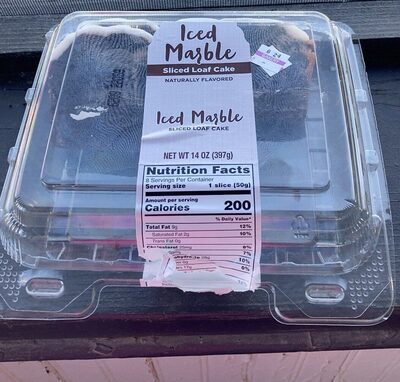
Manufacturers add propylene glycol esters to improve texture and shelf life in baked goods. They help create a smoother consistency, prevent ingredients from separating, and keep products moist. You'll find them in cakes, pastries, frostings, and other baked treats.
Health notes
In the U.S., propylene glycol esters are generally recognized as safe (GRAS) by the FDA when used as intended. Regulatory bodies like JECFA and EFSA have evaluated propylene glycol and its esters, with JECFA establishing an acceptable daily intake. Studies on propylene glycol generally show it is safe at typical consumption levels, though some individuals may experience mild reactions.
Allergen info
Propylene glycol esters are not derived from any of the nine major allergens. They do not contain gluten.
Foods that contain Propylene Glycol Esters
Compare products →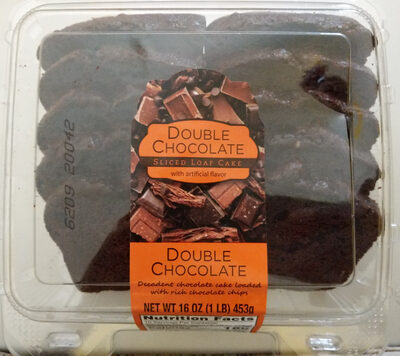
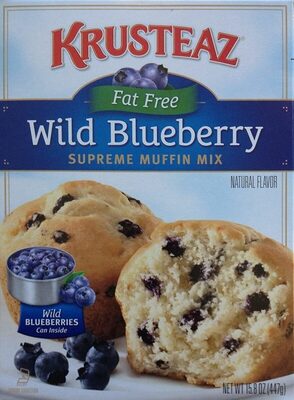
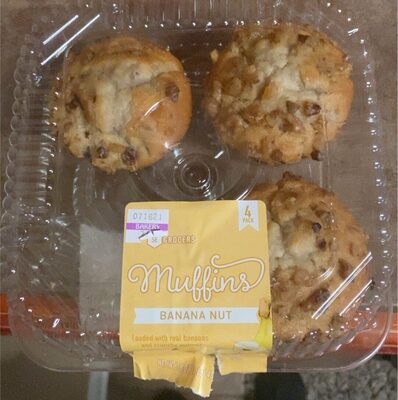
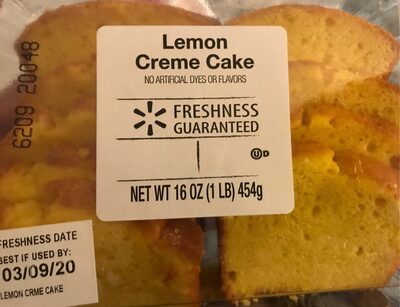
Learn more
Auto-generated content. This description was generated automatically and is pending editorial review. Inaccuracies are possible. Found a mistake? Contact us.