Monoglyceride
What is Monoglyceride?
Monoglycerides are a type of fat that can be found naturally in small amounts in foods like butter and eggs. They are often made commercially by combining glycerol with fatty acids derived from plant or animal fats. This process creates a versatile ingredient used in many food products.
Is Monoglyceride gluten-free?
They do not contain gluten.
Is Monoglyceride a major allergen?
Monoglycerides are not derived from any of the nine major allergens recognized by the FDA.
What is Monoglyceride used for?
Manufacturers use monoglycerides primarily as emulsifiers.
Is Monoglyceride safe?
Monoglycerides are generally recognized as safe (GRAS) by the U.S. Food and Drug Administration (FDA) for use in food.
Why it's used
Manufacturers use monoglycerides primarily as emulsifiers. This means they help to mix ingredients that don't normally blend well, like oil and water, creating smoother textures in foods. They are commonly found in baked goods such as cakes and breads, as well as in frozen foods and processed meats.
Health notes
Monoglycerides are generally recognized as safe (GRAS) by the U.S. Food and Drug Administration (FDA) for use in food. They are a common part of the diet, as they are found in many foods and are also produced within the body during digestion. International bodies like the Joint FAO/WHO Expert Committee on Food Additives (JECFA) and the European Food Safety Authority (EFSA) have evaluated monoglycerides. At typical consumption levels, they are not associated with adverse health effects.
Allergen info
Monoglycerides are not derived from any of the nine major allergens recognized by the FDA. They do not contain gluten.
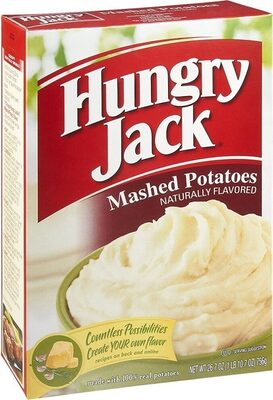
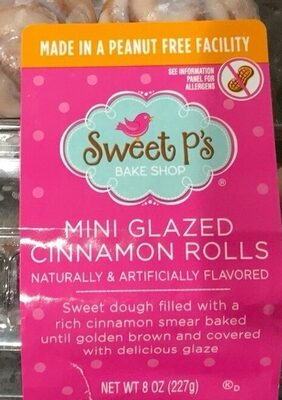
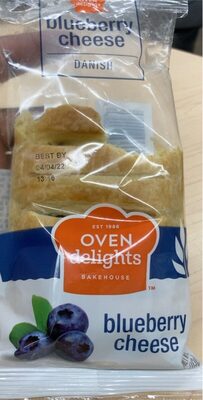
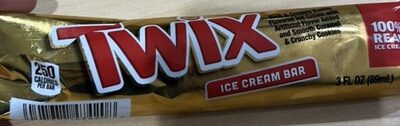
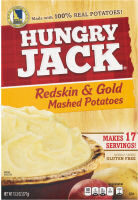
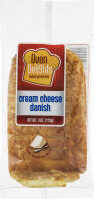
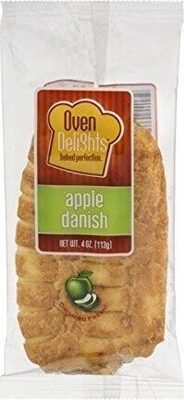
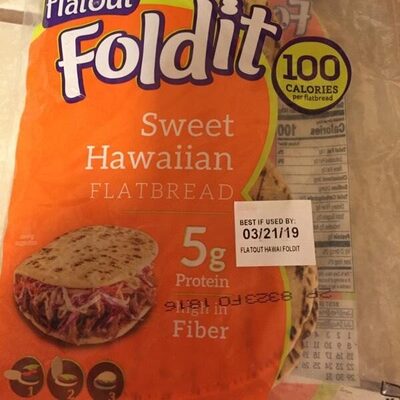
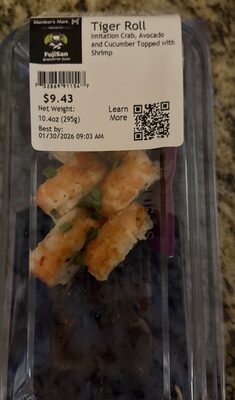
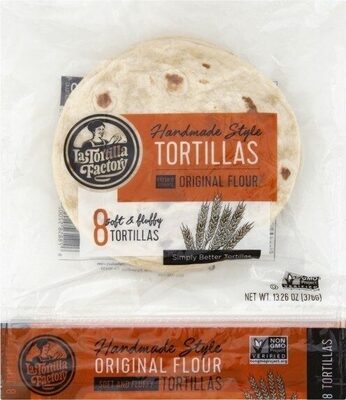
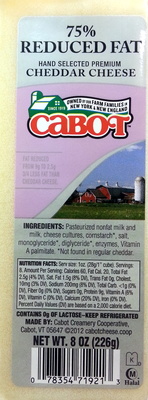
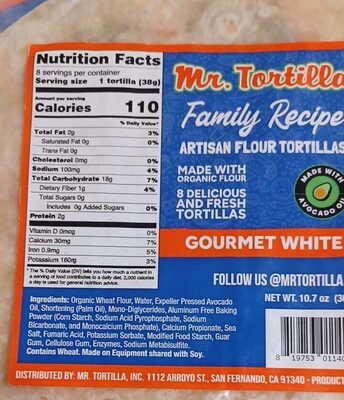
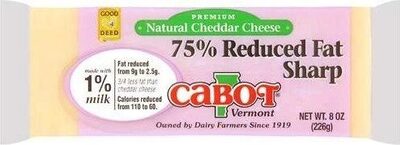
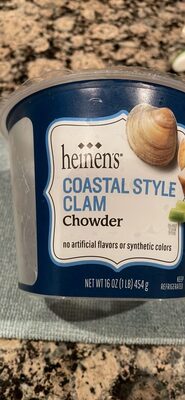
Foods that contain Monoglyceride
Compare products →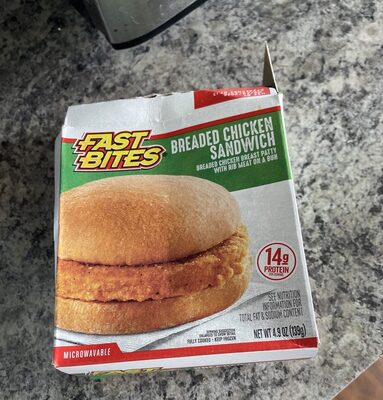
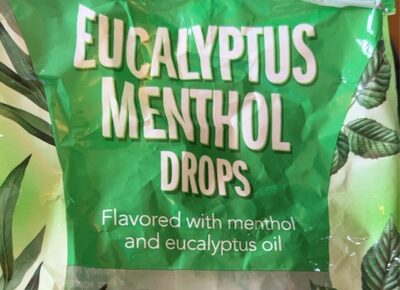
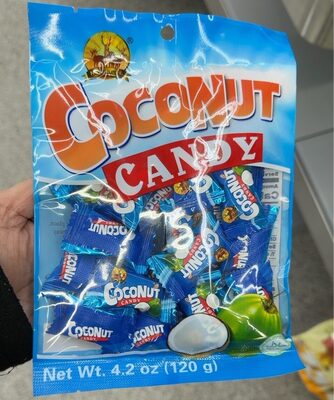
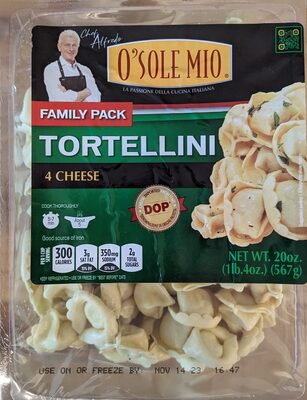

Learn more
Auto-generated content. This description was generated automatically and is pending editorial review. Inaccuracies are possible. Found a mistake? Contact us.