Whole Wheat Meal
Auto-generated content. This description was generated automatically and is pending editorial review. Inaccuracies are possible. Found a mistake? Contact us.
What it is
Whole wheat meal is a product made from grinding the entire wheat kernel, including the bran, germ, and endosperm. This process results in a coarser texture compared to finely ground whole wheat flour. It retains all the nutritional components of the original grain.
Why it's used
Manufacturers use whole wheat meal to add fiber, nutrients, and a distinct texture to food products. It is commonly found in breakfast cereals, breads, pancakes, and other baked goods. Its inclusion helps increase the whole grain content of these foods.
Health notes
Whole wheat meal is a food ingredient, not a food additive, and is generally recognized as safe (GRAS). It is a good source of dietary fiber, vitamins, and minerals. The Dietary Guidelines for Americans (2025-2030) recommend making at least half of your grain intake whole grains. There are no specific health controversies surrounding whole wheat meal itself, though individuals with celiac disease or gluten sensitivity must avoid it.
Allergen info
Wheat is one of the nine major food allergens identified by the FDA. This ingredient contains gluten.
Products containing Whole Wheat Meal
Compare products →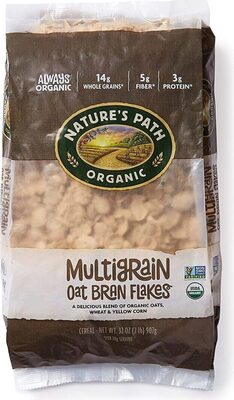 NATURE'S PATH
Multigrain Oatbran Cereal
367kcal
10Protein
3.3Fat
80Carbs
NATURE'S PATH
Multigrain Oatbran Cereal
367kcal
10Protein
3.3Fat
80Carbs
 NATURE'S PATH
Maple Pecan Crunch
400kcal
10.9Protein
12.7Fat
69.1Carbs
NATURE'S PATH
Maple Pecan Crunch
400kcal
10.9Protein
12.7Fat
69.1Carbs
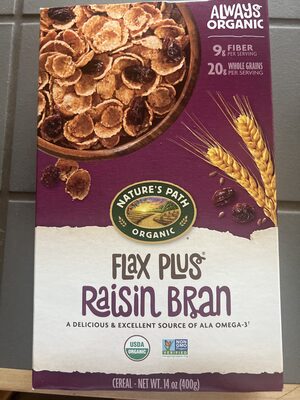 NATURE'S PATH
Raisin Bran Cereal
345kcal
10.9Protein
4.5Fat
74.5Carbs
NATURE'S PATH
Raisin Bran Cereal
345kcal
10.9Protein
4.5Fat
74.5Carbs
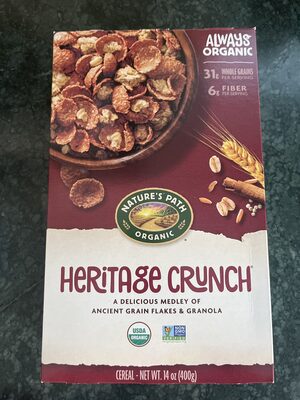 NATURE'S PATH ORGANIC
Cereal
418kcal
10.9Protein
5.5Fat
80Carbs
NATURE'S PATH ORGANIC
Cereal
418kcal
10.9Protein
5.5Fat
80Carbs
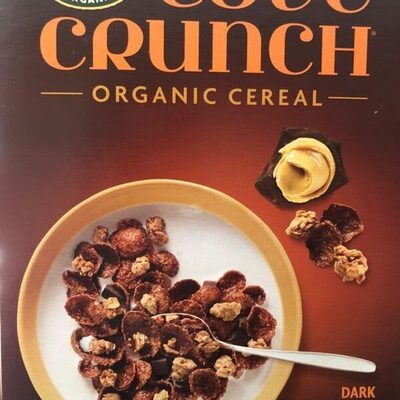 NATURE'S PATH
Organic Cereal
High in added sugars — 22% DV per serving
364kcal
7.3Protein
9.1Fat
63.6Carbs
NATURE'S PATH
Organic Cereal
High in added sugars — 22% DV per serving
364kcal
7.3Protein
9.1Fat
63.6Carbs
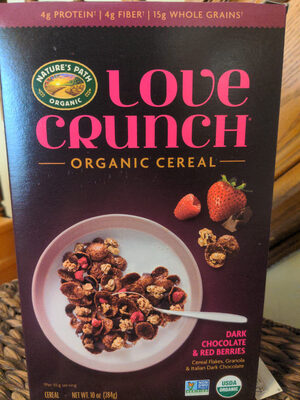 NATURE'S PATH
Organic Cereal
High in added sugars — 22% DV per serving
345kcal
7.3Protein
8.2Fat
63.6Carbs
NATURE'S PATH
Organic Cereal Flakes, Granola & Italian Dark Chocolate
High in added sugars — 22% DV per serving
382kcal
7.3Protein
12.7Fat
61.8Carbs
Nature's Path Foods Inc.
Nature's Path, Flax Plus, Organic Waffles, Red Berry
286kcal
5.7Protein
12.9Fat
38.6Carbs
Nature's Path Foods Inc.
Organic Pumpkin Raisin Crunch Cereal
382kcal
10.9Protein
8.2Fat
72.7Carbs
Nature's Path Foods Inc.
Nature's Path, Heritage Bites, Organic Ancient Grains Cereal
367kcal
10Protein
1.7Fat
80Carbs
Nature's Path Foods Inc.
Nature's Path, Multigrain Oatbran Cereal
367kcal
10Protein
3.3Fat
80Carbs
NATURE'S PATH
Organic Cereal
High in added sugars — 22% DV per serving
345kcal
7.3Protein
8.2Fat
63.6Carbs
NATURE'S PATH
Organic Cereal Flakes, Granola & Italian Dark Chocolate
High in added sugars — 22% DV per serving
382kcal
7.3Protein
12.7Fat
61.8Carbs
Nature's Path Foods Inc.
Nature's Path, Flax Plus, Organic Waffles, Red Berry
286kcal
5.7Protein
12.9Fat
38.6Carbs
Nature's Path Foods Inc.
Organic Pumpkin Raisin Crunch Cereal
382kcal
10.9Protein
8.2Fat
72.7Carbs
Nature's Path Foods Inc.
Nature's Path, Heritage Bites, Organic Ancient Grains Cereal
367kcal
10Protein
1.7Fat
80Carbs
Nature's Path Foods Inc.
Nature's Path, Multigrain Oatbran Cereal
367kcal
10Protein
3.3Fat
80Carbs