Couscous
What is Couscous?
Couscous is a staple food made from tiny steamed balls of durum wheat semolina. It originated in North Africa and is prepared by rubbing moistened semolina with flour until it forms small granules. These granules are then steamed and dried.
Is Couscous vegan?
Couscous is not animal-derived. Products that contain it can still include other animal-derived ingredients, so check the full ingredient list.
Is Couscous gluten-free?
It contains gluten.
Is Couscous a major allergen?
Couscous is made from wheat, which is one of the FDA's nine major allergens.
What is Couscous used for?
Couscous is primarily used as a carbohydrate base in meals, similar to rice or pasta.
Is Couscous safe?
Couscous is generally recognized as safe (GRAS) by the FDA as a food ingredient.
Why it's used
Couscous is primarily used as a carbohydrate base in meals, similar to rice or pasta. Manufacturers use it in packaged foods like grain-based meals, deli salads, and side dishes for its texture and ability to absorb flavors. It serves as a versatile ingredient that can be flavored with spices, vegetables, and meats.
Health notes
Couscous is generally recognized as safe (GRAS) by the FDA as a food ingredient. It is a source of carbohydrates and some protein. International bodies like JECFA and EFSA have evaluated couscous and its components. At typical consumption levels, it is not associated with adverse health effects.
Allergen info
Couscous is made from wheat, which is one of the FDA's nine major allergens. It contains gluten.
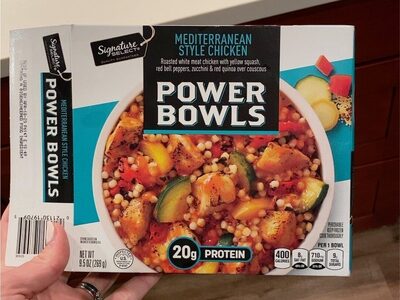
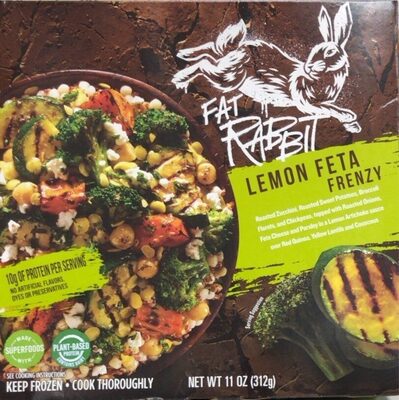
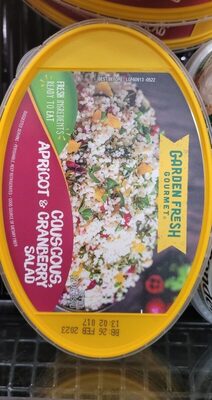
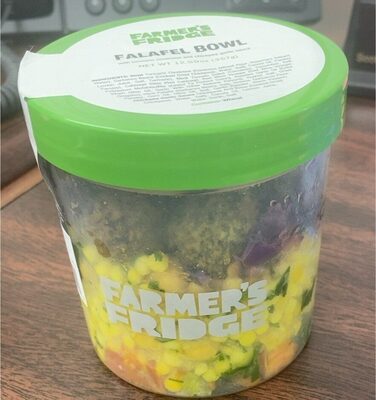
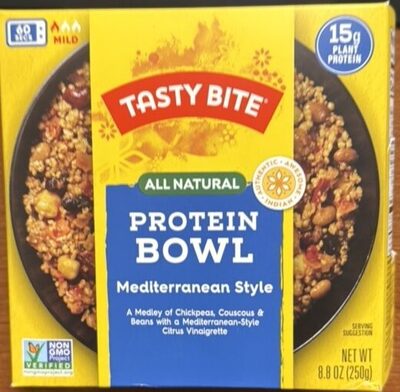
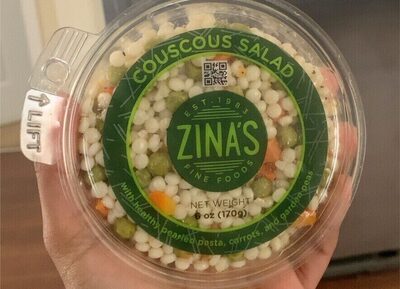
Foods that contain Couscous
Compare products →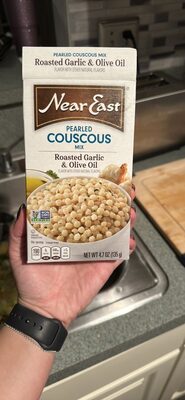
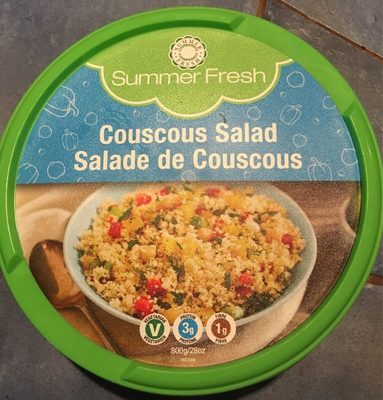
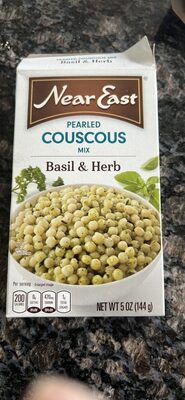
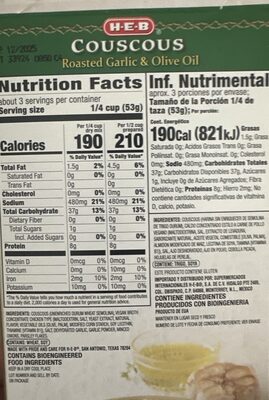

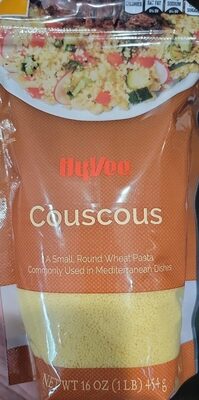
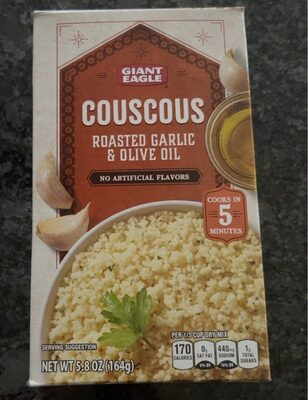
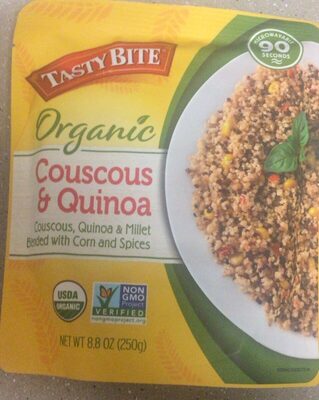
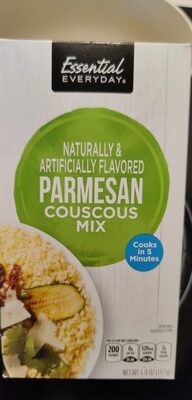
Learn more
Auto-generated content. This description was generated automatically and is pending editorial review. Inaccuracies are possible. Found a mistake? Contact us.