Rolled Whole Grain Blend
Auto-generated content. This description was generated automatically and is pending editorial review. Inaccuracies are possible. Found a mistake? Contact us.
What it is
A rolled whole grain blend is a mixture of various whole grains, such as oats, wheat, barley, or rye, that have been processed by steaming and then flattening them between rollers. This process makes the grains quicker to cook and easier to incorporate into food products while retaining their bran, germ, and endosperm.
Why it's used
Manufacturers add rolled whole grain blends to foods primarily for their nutritional value, fiber content, and to provide a desirable texture. They serve as a base ingredient in many products, contributing to satiety and often a chewy or hearty mouthfeel. Common food types include snack bars, breakfast cereals, and baked goods like cookies and crackers.
Health notes
Rolled whole grain blends are considered food ingredients rather than food additives, so they do not have a specific regulatory status like GRAS or an approved additive from the FDA. Whole grains are widely recognized for their health benefits, including providing dietary fiber, vitamins, and minerals. The Dietary Guidelines for Americans (2025-2030) recommend making at least half of your grain intake whole grains. There are no notable controversies regarding the safety of rolled whole grain blends at typical intake levels.
Allergen info
Depending on the specific grains included in the blend, it may contain wheat, which is one of the nine major food allergens identified by the FDA. Wheat also contains gluten. Consumers with wheat allergies or celiac disease should check the ingredient list for specific grains.
Products containing Rolled Whole Grain Blend
Compare products →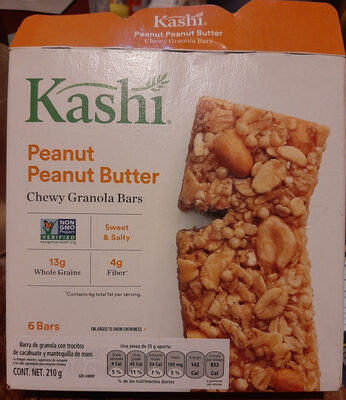 Kashi US
Kashi Chewy Bars Chewy Peanut Butter Gran 7.4Oz
—kcal
16.7Protein
14.3Fat
56.3Carbs
Kashi US
Kashi Chewy Bars Chewy Peanut Butter Gran 7.4Oz
—kcal
16.7Protein
14.3Fat
56.3Carbs
 Kashi US
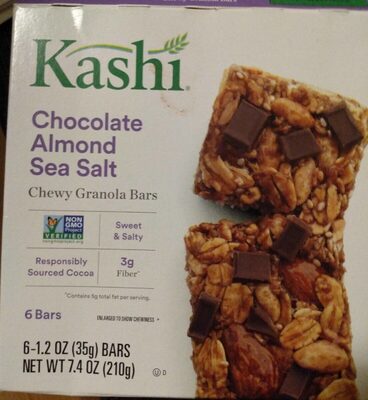
Kashi Chewy Bars Chocolate Almond Sea Salt 7.4Oz
—kcal
14.2Protein
12.2Fat
60.5Carbs
Kashi US
Kashi Chewy Bars Chocolate Almond Sea Salt 7.4Oz
—kcal
14.2Protein
12.2Fat
60.5Carbs
 Kellogg Company US
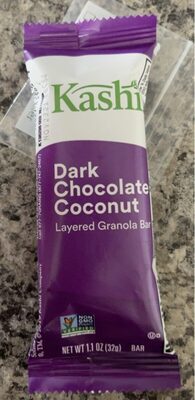
Kashi Layered Bars Fruit & Grain Dark Chocolate Coconut 1.1oz
380kcal
9.4Protein
10.6Fat
64.1Carbs
Kellogg Company US
Kashi Cookies Oatmeal Dark Chocolate 8.5oz
420kcal
6.7Protein
16Fat
67.3Carbs
Kashi US
Kashi Cookies Trail Mix 8.5Oz
407kcal
7.1Protein
14.1Fat
69.3Carbs
Kellogg Company US
Kashi Cookies Oatmeal Raisin 8.5oz
411kcal
7.3Protein
15Fat
67.4Carbs
Kellogg Company US
Kashi Layered Bars Fruit & Grain Dark Chocolate Coconut 1.1oz
380kcal
9.4Protein
10.6Fat
64.1Carbs
Kellogg Company US
Kashi Cookies Oatmeal Dark Chocolate 8.5oz
420kcal
6.7Protein
16Fat
67.3Carbs
Kashi US
Kashi Cookies Trail Mix 8.5Oz
407kcal
7.1Protein
14.1Fat
69.3Carbs
Kellogg Company US
Kashi Cookies Oatmeal Raisin 8.5oz
411kcal
7.3Protein
15Fat
67.4Carbs
 Kellogg Company US
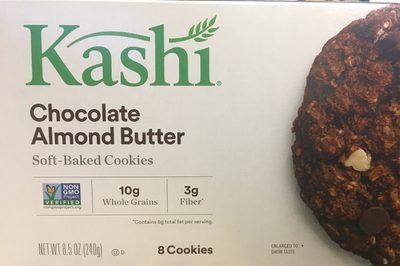
Kashi Cookies Chocolate Almond Butter 8.5oz
418kcal
8.4Protein
16.7Fat
63.6Carbs
Kashi US
Kashi Chewy Bars Chocolate Almond 12Oz
395kcal
14.2Protein
12.2Fat
60.5Carbs
Kashi International Corporation
Crunchy Granola Bar, Pumpkin Spice Flax
425kcal
12.5Protein
15Fat
65Carbs
Kashi International Corporation
Chewy Granola Bar, Chocolate Almond & Sea Salt
400kcal
17.1Protein
11.4Fat
60Carbs
Kashi International Corporation
Kashi, Crunchy Granola Bars, Roasted Almond, Roasted Almond
425kcal
15Protein
15Fat
65Carbs
Kellogg Company US
Kashi Cookies Chocolate Almond Butter 8.5oz
418kcal
8.4Protein
16.7Fat
63.6Carbs
Kashi US
Kashi Chewy Bars Chocolate Almond 12Oz
395kcal
14.2Protein
12.2Fat
60.5Carbs
Kashi International Corporation
Crunchy Granola Bar, Pumpkin Spice Flax
425kcal
12.5Protein
15Fat
65Carbs
Kashi International Corporation
Chewy Granola Bar, Chocolate Almond & Sea Salt
400kcal
17.1Protein
11.4Fat
60Carbs
Kashi International Corporation
Kashi, Crunchy Granola Bars, Roasted Almond, Roasted Almond
425kcal
15Protein
15Fat
65Carbs