Yogurt: Nutrition Facts and Calories
Yogurt is a popular dairy product made by fermenting milk with live bacterial cultures. This category includes a wide range of options such as plain, flavored, low-fat, non-fat, and Greek yogurt, which is strained for a thicker texture and often higher protein content. When selecting yogurt, it's helpful to check the Nutrition Facts label. The Dietary Guidelines for Americans (2025-2030) suggest limiting added sugars, aiming for no more than 10 grams per meal; look for yogurts with lower amounts. Also, pay attention to saturated fat content; the DGA recommends keeping saturated fat intake under 10% of your daily calories. The FDA Daily Value for sodium is 2,300 mg, so check sodium levels, though yogurt is typically low. Consider the protein content, especially if choosing Greek yogurt, and look for calcium and vitamin D. The ingredient list should be simple, with milk and live active cultures as primary ingredients, and real fruit if flavored. All values are shown per 100 g so products can be compared.
6,371 products · values per 100 g
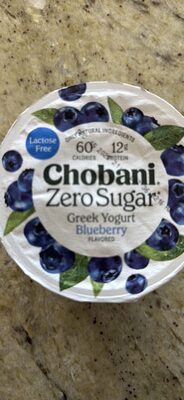 Chobani, Inc.
Zero Sugar Blueberry Flavor Yogurt, Blueberry
40kcal
7.3Protein
0Fat
3.3Carbs
Chobani, Inc.
Zero Sugar Blueberry Flavor Yogurt, Blueberry
40kcal
7.3Protein
0Fat
3.3Carbs
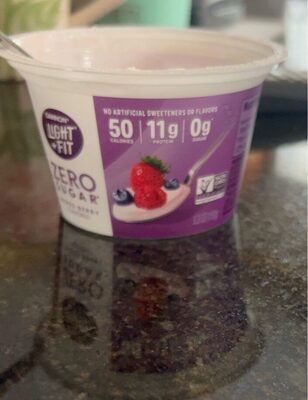 Danone US, LLC
Zero Sugar Mixed Berry Flavored Yogurt, Mixed Berry
33kcal
7.3Protein
0Fat
3.3Carbs
Danone US, LLC
Zero Sugar Mixed Berry Flavored Yogurt, Mixed Berry
33kcal
7.3Protein
0Fat
3.3Carbs
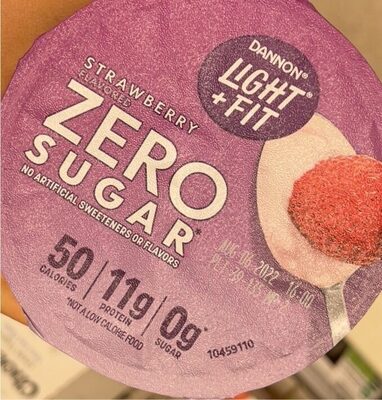 Danone US, LLC
Zero Sugar Strawberry Flavored Yogurt, Strawberry
33kcal
7.3Protein
0Fat
4Carbs
Danone US, LLC
Zero Sugar Strawberry Flavored Yogurt, Strawberry
33kcal
7.3Protein
0Fat
4Carbs
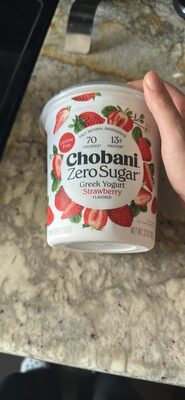 Chobani, Inc.
Zero Sugar Strawberry Yogurt, Strawberry
41kcal
7.7Protein
0Fat
3.5Carbs
Chobani, Inc.
Zero Sugar Strawberry Yogurt, Strawberry
41kcal
7.7Protein
0Fat
3.5Carbs
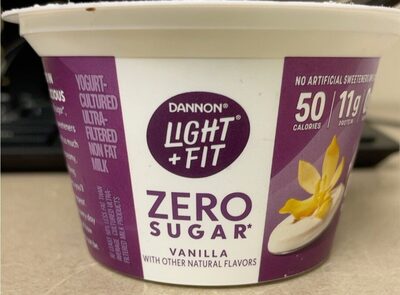 Danone US, LLC
Zero Sugar Vanilla Yogurt, Vanilla
33kcal
7.3Protein
0Fat
4Carbs
Danone US, LLC
Zero Sugar* Bananas Foster Yogurt-Cultured Ultra-Filtered Non Fat Milk Containers
33kcal
7.3Protein
0Fat
3.3Carbs
Super Store Industries
Zesty Lemon Blended With Fruit Nonfat Greek Yogurt, Zesty Lemon
87kcal
9.3Protein
0Fat
11.3Carbs
Auburn Dairy Products Inc.
Zoi, Greek Nonfat Yogurt, Fruit On The Bottom, Peach, Peach
100kcal
7.1Protein
0Fat
17.1Carbs
Auburn Dairy Products Inc.
Zoi, Greek Nonfat Yogurt, Strawberry, Strawberry
100kcal
7.1Protein
0Fat
18.2Carbs
Auburn Dairy Products Inc.
Zoi, Greek Yogurt Fruit On The Bottom, Blueberry, Blueberry
106kcal
4.1Protein
3.5Fat
16.5Carbs
Danone US, LLC
Zero Sugar Vanilla Yogurt, Vanilla
33kcal
7.3Protein
0Fat
4Carbs
Danone US, LLC
Zero Sugar* Bananas Foster Yogurt-Cultured Ultra-Filtered Non Fat Milk Containers
33kcal
7.3Protein
0Fat
3.3Carbs
Super Store Industries
Zesty Lemon Blended With Fruit Nonfat Greek Yogurt, Zesty Lemon
87kcal
9.3Protein
0Fat
11.3Carbs
Auburn Dairy Products Inc.
Zoi, Greek Nonfat Yogurt, Fruit On The Bottom, Peach, Peach
100kcal
7.1Protein
0Fat
17.1Carbs
Auburn Dairy Products Inc.
Zoi, Greek Nonfat Yogurt, Strawberry, Strawberry
100kcal
7.1Protein
0Fat
18.2Carbs
Auburn Dairy Products Inc.
Zoi, Greek Yogurt Fruit On The Bottom, Blueberry, Blueberry
106kcal
4.1Protein
3.5Fat
16.5Carbs