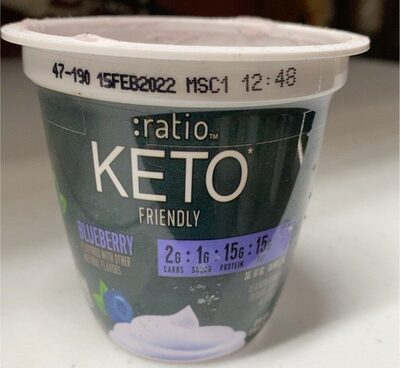
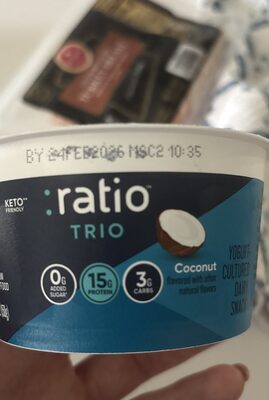
Yogurt/Yogurt Substitutes: Nutrition Facts and Calories
Yogurt and yogurt substitutes are popular choices for snacks, breakfast, or as ingredients in recipes. This category includes traditional dairy yogurts made from cow's milk, as well as plant-based alternatives crafted from ingredients like almond, soy, or oat milk. These products come in various forms, such as plain, flavored, Greek, and drinkable options. When choosing a yogurt or substitute, the Nutrition Facts label is a helpful guide. Pay attention to "Added Sugars." The 2025-2030 Dietary Guidelines for Americans suggest limiting added sugars. Also, check "Saturated Fat"; the DGA recommends keeping saturated fat intake to less than 10% of daily calories. Many yogurts are good sources of protein and calcium. For sodium, the FDA's Daily Value is 2,300 milligrams. The ingredient list can also provide useful information. For traditional yogurts, look for "live and active cultures," which are beneficial bacteria. For plant-based substitutes, check for whole food ingredients listed early. These details help you make informed choices for your diet. All values are shown per 100 g so products can be compared.
613 products · values per 100 g
Amazon links are paid links. As an Amazon Associate I earn from qualifying purchases. About these links