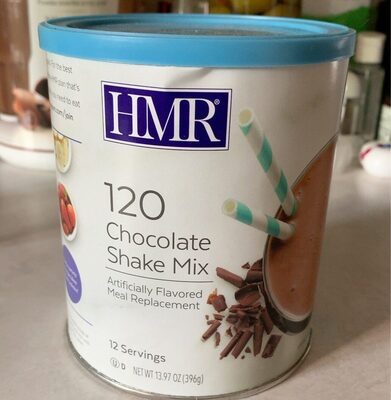
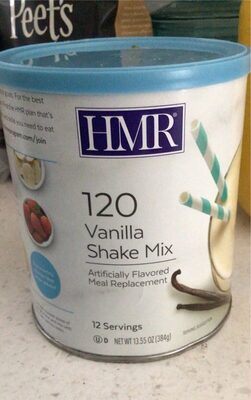
Meal Replacement Supplements: Nutrition Facts and Calories
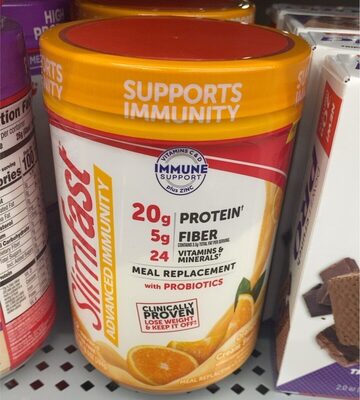
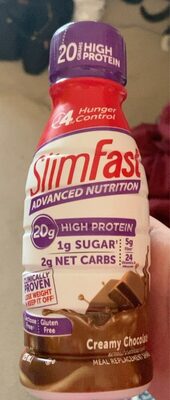
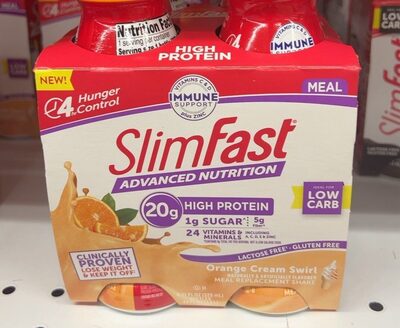
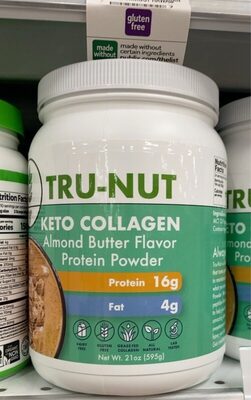
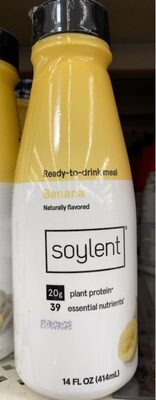
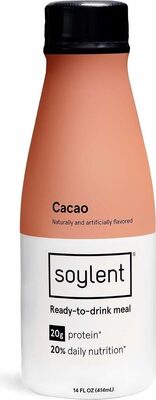
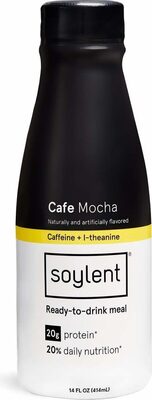
Meal replacement supplements are products like shakes, powders, and bars designed to offer balanced nutrition when you need a quick alternative to a traditional meal. These items often contain a mix of protein, carbohydrates, fats, vitamins, and minerals. When choosing a meal replacement, it's helpful to check the Nutrition Facts label carefully. The 2025-2030 Dietary Guidelines for Americans suggest limiting added sugars, so look for products with low amounts. The FDA recommends a daily value of 2,300 milligrams of sodium; consider how much a serving contributes to this. Also, check for fiber content, which can support digestive health. The ingredient list can tell you about the quality of protein sources and whether the product includes other beneficial ingredients like vitamins and minerals. A balanced nutrient profile is key for these products to serve as a meal substitute. All values are shown per 100 g so products can be compared.
167 products · values per 100 g
Amazon links are paid links. As an Amazon Associate I earn from qualifying purchases. About these links