Yogurt: Nutrition Facts and Calories
Yogurt is a popular dairy product made by fermenting milk with live bacterial cultures. This category includes a wide range of options such as plain, flavored, low-fat, non-fat, and Greek yogurt, which is strained for a thicker texture and often higher protein content. When selecting yogurt, it's helpful to check the Nutrition Facts label. The Dietary Guidelines for Americans (2025-2030) suggest limiting added sugars, aiming for no more than 10 grams per meal; look for yogurts with lower amounts. Also, pay attention to saturated fat content; the DGA recommends keeping saturated fat intake under 10% of your daily calories. The FDA Daily Value for sodium is 2,300 mg, so check sodium levels, though yogurt is typically low. Consider the protein content, especially if choosing Greek yogurt, and look for calcium and vitamin D. The ingredient list should be simple, with milk and live active cultures as primary ingredients, and real fruit if flavored. All values are shown per 100 g so products can be compared.
6,371 products · values per 100 g
Amazon links are paid links. As an Amazon Associate I earn from qualifying purchases. About these links

 Lyrical Foods, inc
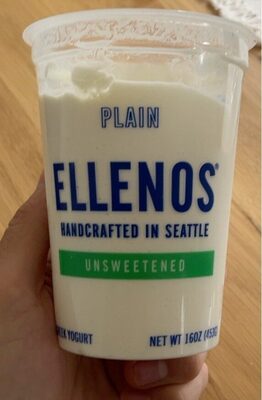
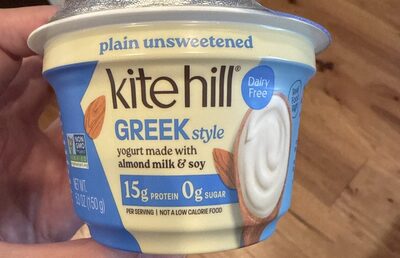
Plain Unsweetened Greek Style Plant-Based Yogurt
80kcal
10Protein
3.3Fat
2.7Carbs
Lyrical Foods, inc
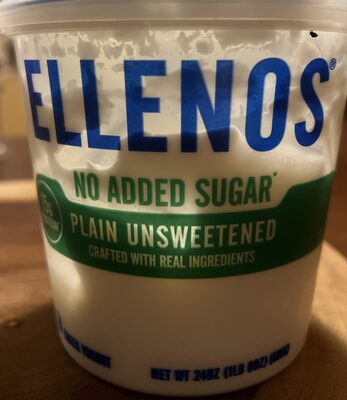
Plain Unsweetened Greek Style Plant-Based Yogurt
80kcal
10Protein
3.3Fat
2.7Carbs
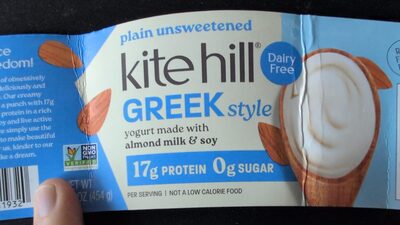 Lyrical Foods, inc
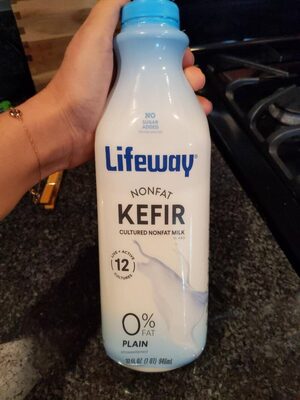
Plain Unsweetened Greek Style Plant-Based Yogurt
82kcal
10Protein
3.5Fat
2.4Carbs
Lyrical Foods, inc
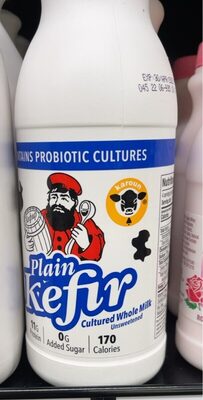
Plain Unsweetened Greek Style Plant-Based Yogurt
82kcal
10Protein
3.5Fat
2.4Carbs